A Practice Framework for Ultimate Youth Workers

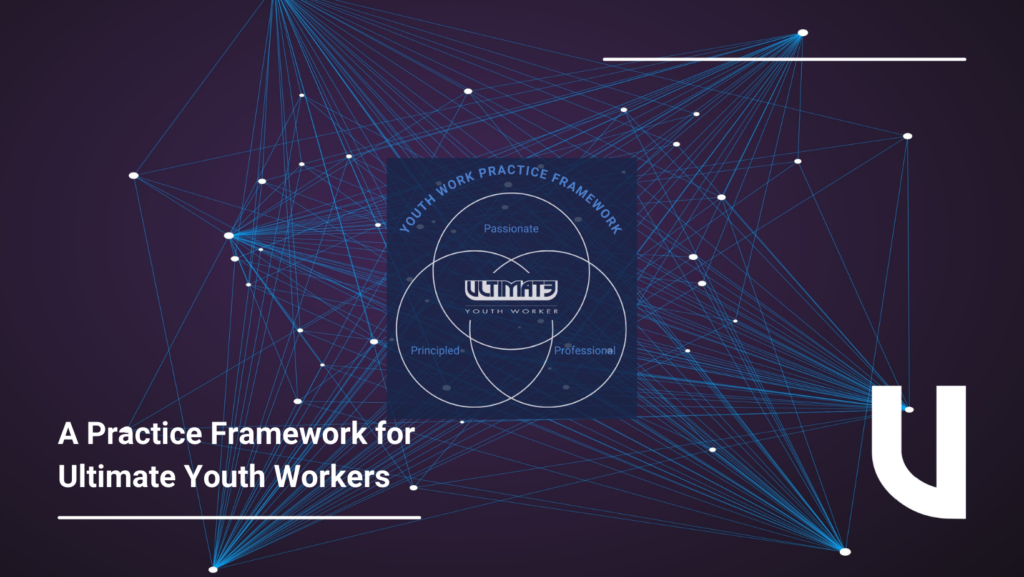
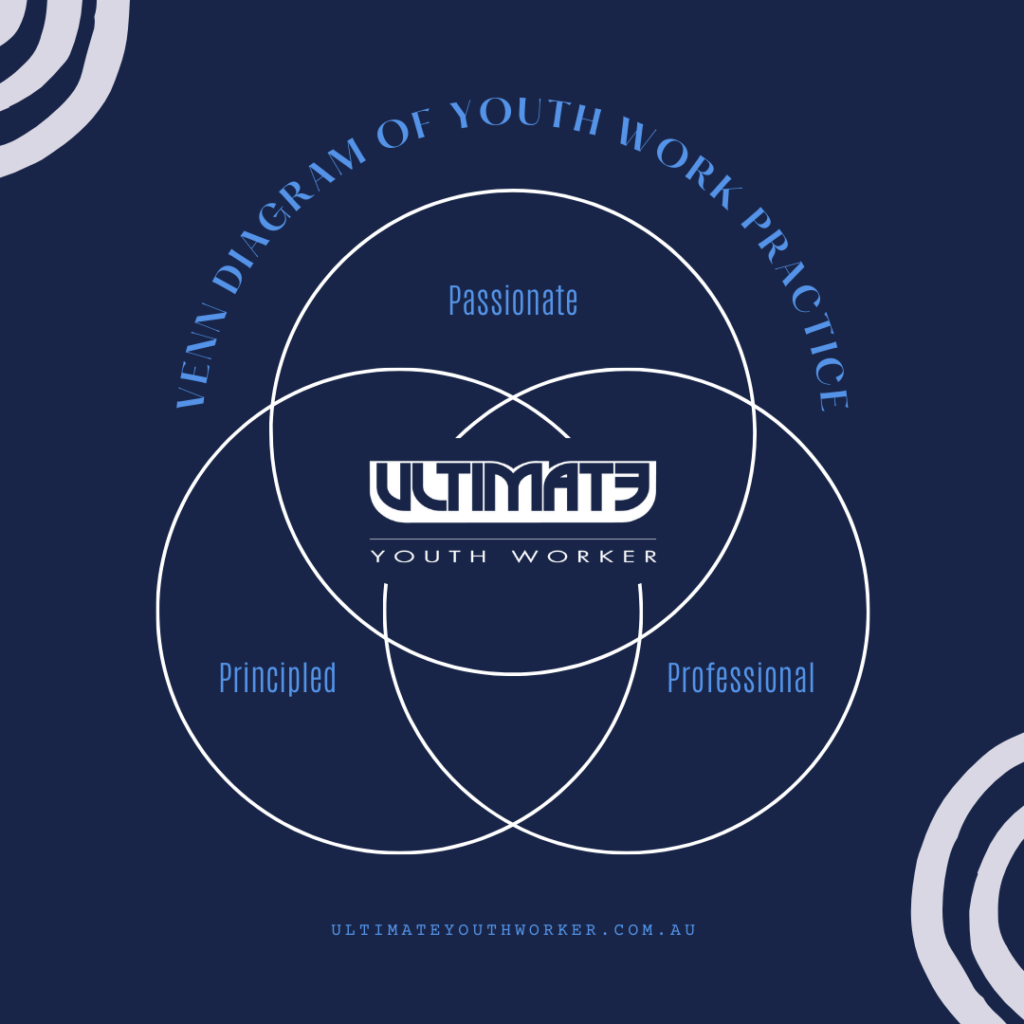
Passionate Principled Professional: Any practice framework for Ultimate Youth Workers

A Practice Framework for Ultimate Youth Workers

In the field of youth work, where the challenges are as diverse as the young people themselves, the difference between good youth workers and Ultimate Youth Workers is abundantly clear. What makes an Ultimate Youth Worker? To navigate this intricate landscape successfully, youth work practitioners need more than just skills and experience – they require a practice framework for Ultimate Youth Workers. A framework that embodies much more than is taught in a Certificate IV or covered in a code of ethics. In this article, we explore the three pillars that form the bedrock of an Ultimate Youth Worker’s practice: Passionate, Principled, and Professional.

Passionate

In  every amazing youth worker we know there is one thing that makes them stand out from the rest, passion. Youth work is so much more to them than just a job. To these people passion is the heartbeat of effective youth work. Any practice framework for Ultimate Youth Workers must include passion.

Ultimate Youth Workers are driven by an unwavering zeal for the support, well-being and development of young people. This passion fuels their commitment to making a positive impact, no matter the obstacles they face. Passion is what changes youth work from just a job to a calling. If you are just doing youth work for a pay check, you’re in the wrong business.

Passionate Youth Workers are not only empathetic listeners but also enthusiastic advocates for the potential within every young person. Their energy is infectious, creating an environment where trust and rapport can flourish. They have a core set of values that they live out in their every interactions. They show up again and again for the young people they serve building a continuity of care.

This pillar underscores the importance of fostering genuine connections, based on a set of shared values and proactive care. It is through passion that positive change becomes not just a goal but a reality.

Principled

Principled youth work is built on a foundation of integrity, ethical conduct, and a commitment to social justice. Ultimate Youth Workers adhere to a set of principles that guide their actions and decisions, ensuring that their work is not only effective but also morally sound. This pillar in our Any practice framework for Ultimate Youth Workers  emphasizes the importance of a values-driven approach, which forms the bedrock of a great youth worker’s identity.

Principled Ultimate Youth Workers advocate for the rights and dignity of young people, challenging systemic injustices and promoting inclusivity. They operate with transparency and accountability, fostering a culture of trust and reliability. This commitment to principles ensures that youth work goes beyond mere intervention—it becomes a catalyst for positive social change.

Professional

The third pillar, professionalism, underscores the importance of a disciplined and competent approach to youth work. Professional youth work means having authority within the scope of our practice, based on an underly theoretical knowledge constructed from systematic research. Professional youth work means moving on from our vocational training mindset to an academic and intellectual pursuit. In short it means getting a degree and pursuing graduate qualifications.

Ultimate Youth Workers are committed to continuous learning and development, staying abreast of the latest research, methodologies, and best practices. Ongoing professional development based on a shared understanding of professional needs of the sector, our young people and the profession. Our Any practice framework for Ultimate Youth Workers highlights the need for a high level of competence and proficiency in working with young people, recognizing that professionalism enhances the credibility and impact of youth work as a profession.

Professional Youth Workers maintain clear boundaries and ethical standards, understanding the importance of creating a safe and secure environment for the young people they support. They engage in reflective practices, learning from both successes and challenges to refine their approach continually. This commitment to professionalism ensures that youth work is not just a job but a vocation—a calling that demands excellence and dedication.

Passionate Principled Professional

The Interplay of the Pillars

The strength of an Ultimate Youth Worker lies in their seamless integration of these three pillars – Passionate, Principled, and Professional. Each pillar supports and reinforces the others, creating a robust and holistic framework for effective youth work. No one can stand alone, and even two won’t make you great. It is in bringing them all together that we see excellence.

Passion without principles can lead to well-intentioned but misguided actions. It is the principles that provide the ethical compass, ensuring that the passion is channelled into positive and responsible interventions. Conversely, professionalism without passion can result in a detached and clinical approach, missing the emotional connection that is often the catalyst for transformative change in young lives.

When these three pillars are in harmony, the Ultimate Youth Worker emerges as a dynamic and impactful force for positive change. Their passion fuels their commitment, their principles guide their actions, and their professionalism ensures a high standard of service delivery. This interplay creates a powerful synergy that not only benefits individual young people but contributes to the broader societal goal of nurturing a generation equipped to face the challenges of the future.

In the ever-evolving landscape of youth work, the Ultimate Youth Worker’s practice framework is a beacon of guidance and inspiration to our young people, our colleagues and the community. By embodying the pillars of Passionate, Principled, and Professional youth work practitioners can navigate the complexities of their role with resilience, empathy, and effectiveness. Together, these pillars form a solid foundation for a youth worker’s journey—a journey that is not just a profession but a calling, a commitment to shaping the future by investing in the potential of every young person they encounter.

Aaron Garth

Aaron Garth

Aaron Garth is the Executive Director of Ultimate Youth Worker. Aaron has worked as a youth worker in a number of settings including local church, street drug and alcohol outreach, family services, residential care, local government and youth homelessness since 2003. Aaron is a regular speaker at camps, retreats, & youth work training events and is a dedicated to seeing a more professional youth sector in Australia. Aaron is a graduate of RMIT University and an alumnus of their youth work program. He lives in Melbourne with his wife Jennifer & their daughters Hope, Zoe, Esther, Niamh and son Ezra.

More Posts - Website

Follow Me:Add me on XAdd me on FacebookAdd me on LinkedInAdd me on PinterestAdd me on YouTube

Online Professional Development: A new phase for Ultimate Youth Worker

In today’s fast-paced and ever-evolving world, the role of a youth worker is more vital than ever. These dedicated professionals play a crucial role in empowering young people, supporting their development, and guiding them towards a bright future. Recognising the need for high quality continuous growth and professional development opportunities, the team at Ultimate Youth Worker, is thrilled to announce the launch of our online professional development platform. This innovative initiative aims to equip youth workers of all levels with the necessary skills, knowledge, and resources to excel in their careers and make a lasting impact on the lives of the young people they serve.

Flexibility and Convenience: Traditional methods of professional development often present challenges for busy youth workers who juggle multiple responsibilities. With the introduction of online professional development, youth workers can now access training and resources at their own convenience. Whether you’re a full-time professional, a part-time worker, or even a student, the flexibility offered by our online courses allows you to learn at your own pace, fitting in sessions around your existing commitments.

Expert-Led Courses: The online professional development platform by Ultimate Youth Worker brings together a team of youth work educators and experienced youth work practitioners to design and deliver comprehensive courses. These experts possess a deep understanding of the challenges faced by youth workers and have tailored the courses to address these specific needs. With a focus on evidence-based practices, these courses cover a wide range of topics, including case noting, trauma-informed care, mental health support, youth engagement strategies, cultural competence, and ethical considerations. By enrolling in these courses, youth workers can gain invaluable insights and practical skills to enhance their professional practice form some of the best in the business.

Interactive Learning Experience: The online platform offers an engaging and interactive learning experience that goes beyond traditional lecture-style formats. Through the use of multimedia resources, such as videos, case studies, quizzes, and discussion forums, participants can actively engage with the material and collaborate with fellow learners. This interactive approach fosters a sense of community among youth workers, allowing them to share ideas, seek advice, and learn from each other’s experiences. Additionally, participants receive ongoing support and guidance from the instructors, ensuring that they receive personalized attention and can apply their learning effectively.

Affordable and Accessible: Ultimate Youth Worker is committed to making professional development accessible to all youth workers, regardless of their financial situation or geographical location. By moving their training online, we have significantly reduced the cost associated with in-person workshops and conferences. The online courses are offered at affordable rates, enabling more youth workers to access high-quality training and resources. Moreover, the platform can be accessed from anywhere with an internet connection, eliminating the barriers of travel expenses and time constraints.

Recognised Certification: Upon successful completion of the online courses, participants receive a recognised certification from Ultimate Youth Worker. This certification not only validates their professional development but also enhances their career prospects. Employers and organisations in the youth work sector value the commitment to ongoing learning and the acquisition of new skills provided by Ultimate Youth Worker, making our certification a valuable asset for career advancement.

With the launch of Ultimate Youth Worker’s online professional development platform, youth workers have gained a powerful tool to advance their careers and expand their impact on the lives of young people. The flexibility, expert-led courses, interactive learning experience, affordability, and recognized certification offered by this platform make it an ideal choice for anyone working in the youth work sector. By investing in professional development, youth workers can stay up to date with best practices, build their professional network, and ultimately provide the highest quality support to the young people they serve.

Check out our courses below.


Courses for YOU!

  • Newest
  • Oldest
  • Price high
  • Price low
  • Most Viewed
  • Overall Rating
Aaron Garth

Aaron Garth

Aaron Garth is the Executive Director of Ultimate Youth Worker. Aaron has worked as a youth worker in a number of settings including local church, street drug and alcohol outreach, family services, residential care, local government and youth homelessness since 2003. Aaron is a regular speaker at camps, retreats, & youth work training events and is a dedicated to seeing a more professional youth sector in Australia. Aaron is a graduate of RMIT University and an alumnus of their youth work program. He lives in Melbourne with his wife Jennifer & their daughters Hope, Zoe, Esther, Niamh and son Ezra.

More Posts - Website

Follow Me:Add me on XAdd me on FacebookAdd me on LinkedInAdd me on PinterestAdd me on YouTube

Online tools you need in 2020

Online tools you need in 2020

Online tools you need in 2020The online tool you need (Update)

We live in a time of myth and legend and an online tool or two. Apparently, youth workers are mystical creatures who need little money or time to effect massive changes… At least that seems to be the neoliberal view of us. Another myth is that we are all hip and cool with mad computer skills. I admit to having spent my fair share of time on an Xbox or play station over the years but that is the level I play at. A few years ago I was affectionately know in my team as the IT guy because I knew how to use Microsoft Outlook and use our reporting system. Most youth workers are tech novices. So we thought it would be good to have a list of online tools every youth worker should have access to. Most of these can be accessed by a smart phone, tablet or the dreaded PC. So if your service still chains you to your desk you can still use them… But I would say you need to speak to management about moving to portable devices ????

Sked Social

If you have more than one social media account to look after then you know the pain of trying to keep it all in order. We have used a number of services to look after our socials over the past five years and we can honestly say that nothing compares to skedsocial.com. You can organise your Facebook, Twitter, Instagram and even a linkedIn profile all from one amazingly easy to use platform.

Check out skedsocial.com.

Evernote

Evernote online tool

Evernote is a great online tool for organising all of your thoughts. It is like having a notebook in your pocket that you can put ideas into quickly and easily without needing a pen and paper. You can arrange your notes into ‘Notebooks’ to easily combine relevant ideas together. It takes pictures, adds web links, allows you to set reminders and even draw pictures. If you’re like me and have ideas about many topics and you have scrap paper or multiple notepads everywhere this program is for you.

https://evernote.com

You can have it on two devices for free.

Dropbox

Dropbox online tool

I was presenting off site last week when the USB I had my presentation on died. Completely fried. I almost went into a melt down. What was I going to do. Enter Dropbox. I called a colleague and had them drop the presentation into our Dropbox and with the help of the internet gods it was there when I logged in. Dropbox is a cloud based storage space where you can upload and download all manner of digital documents at the touch of a button. The free version gives you 2GB to use which is more than enough for most of us. Never be caught out again with this great online tool!

https://www.dropbox.com/

Cloud based so all you need is an internet connection

Canva

Canva online tool

If you are like me you are graphically challenged. I cant draw and I struggle to use tools to get beautiful flyers out of my head and onto paper. A former student put me on to Canva.com, online tools for those of us who are graphically challenged that is literally already set up for us. Need a flyer for a program… Done. A Picture for Facebook about your event…Done. Literally any visual marketing you need all available at the click of a mouse.

www.canva.com

Won’t replace your marketing team, but its part way there.

Adobe Colour Wheel

Colour wheel online tool

Our good friends at www.nourishingmedia.com put us on to this one. Being graphically challenged it also bodes that we are colour challenged. Yellow goes with everything right??? If you need some help in this department whether for flyers, presentations or anything else you can think of Adobe Colour Wheel provides a template to help you choose colour combinations.

https://color.adobe.com/create/color-wheel/

Since using this more of our flyers are able to be read.

Psychdrugs

Psychdrugs online tool

More and more young people seem to experience mental health issues that need medication. When doing intake forms I would regularly hear the names of medications that I had no idea about. I’m not a pharmacist. What they do, what dosage is high or low, the common names and much more is at your fingertips with Psychdrugs. Easy to use and with most mental health medications listed this is a top tool.

I have used this since 2008 and have not been disappointed.

The Google Platform

google-logo-1200x630

I have only recently been introduced to the amazing array of programs that google has in its arsenal. We all know the search engine is great and may even have a Gmail email account, but there is so much more to their online tools. spreadsheets, word processing, calendars, groups, hangouts, translate… The list goes on. If you are looking for free and amazing usability then the Google platform has it all.

www.google.com

There is a reason people benchmark themselves against Google.

Prezi

Prezi online tool

If I have to sit through another presentation by someone who has just found Microsoft Powerpoint or ApplesKeynote I may just explode. Boring presentations on basic themes with too many swishes, lets be honest we’ve all been there. Prezi takes the hard work out of designing a slide deck that looks good and has animation with its online tools. Some really cool templates with fill in fields turn a lacklustre presentation into a wow instilling performance.

https://prezi.com/

Asana

Asana

Youth workers often have many projects on the go with many different teams. This is a recipe for disaster if you do not have a system in place. The best system we have come across is Asana. You can seperate  your tasks into boards or lists and you can assign the right person to the job.

https://asana.com/

Survey Monkey

Surveymonkey online tool

Most services struggle to get feedback from their young people and when you stick a paper survey in their hand it usually ends in the bin. Survey Monkey is a free tool that allows you to create great surveys in minutes and send them via email, facebook, whatever system you want. The best bit is it aggregates all the data. You just need to read it.

https://www.surveymonkey.com

The free tool limits the size and type of surveys, but unless you do a lot its fine.

Kindle

kindle online tool

If you read a lot then you probably use Kindle. Bring all your books, journal articles, ebooks together in one space and get reading on the go. If you travel a bit it means you don’t have to pack heavy books in your bag. I struggle with reading on screens sometimes however you can deal with that for the ease of use and access to a huge library of content merely a click away. The kindle app for iPad is also a great investment.

Best for reading on the go.

Bitly

bitly online tool

If you send emails or use facebook you have probably sent a link before. Most people just cut and paste and then you end up with lines of nonsense which are the link. Bitly.com can shorten the link into something much more manageable. It also has the added functionality of allowing you to see who clicks on the links and from where. Some features are paid but you don’t really need them if you are just shortening links.

https://bitly.com

If you don’t have analytics for your website users you need them.

Trello

Trello online tool

I am new to Trello but it has already significantly changed how I work. Trello lets you create separate boards for projects and then populate the boards with lists. Each list then gets cards. If you were doing a project you set up a board, add topics to be done and then add lists of steps under each topic. We use it for everything at Ultimate Youth Worker tracking workflow, developing podcasts, our intranet, you name it.

https://trello.com

I wish I had this when I was studying, particularly group assignments

Zoom

Zoom

In this day and age of epidemics and the tyranny of distance it is important for youth workers to have a way of meeting with each other, our stakeholders and of course our young people. Zoom is an online tool for doing just this. For free you can run an online one-on-one meeting up to 40 minutes, for around $20 you can do group sessions of up to 100 people for 24 hours!!!!

‘Bonus mention’

Milanote

After using a bunch of tools to try to bring my idea, pictures, notes etc into one space I was introduced to Milanote. It brings the best elements of Trello and Evernote together with the ability to write notes, upload images and files, save links from the web and add notes and pics from your phone. the best part about this app is for those of us who are visual people Milanote makes it easy for us to organise our task and projects visually.


If you begin to use these online tools you will find that your productivity increases and your time stuffing around decreases. You will also begin to do marketing of your programs better and by default have better engagement with your young people. Some of this will feel a little backwards when you start. Learning a new skill takes time. Pick one and start using it today.

Would you add any others?

Aaron Garth

Aaron Garth

Aaron Garth is the Executive Director of Ultimate Youth Worker. Aaron has worked as a youth worker in a number of settings including local church, street drug and alcohol outreach, family services, residential care, local government and youth homelessness since 2003. Aaron is a regular speaker at camps, retreats, & youth work training events and is a dedicated to seeing a more professional youth sector in Australia. Aaron is a graduate of RMIT University and an alumnus of their youth work program. He lives in Melbourne with his wife Jennifer & their daughters Hope, Zoe, Esther, Niamh and son Ezra.

More PostsWebsite

Follow Me:Add me on XAdd me on FacebookAdd me on LinkedInAdd me on PinterestAdd me on YouTube

Ultimate Youth Worker

What makes Ultimate Youth Workers unique?

Ultimate Youth Worker

Ultimate Youth Worker, eh. What makes you an Ultimate Youth Worker then?

After seventeen years in the youth sector I have had the opportunity to see the good, the bad and the ugly that can be our cohort. I have seen youth workers who should never have been allowed to start work as they were downright dangerous. I have seen youth workers who have caused more damage to their young people. I have heard of youth workers abusing young people and I have seen them jailed.

However, I have also had the privilege to see some amazing youth workers. Youth worker’s who epitomise the best of the best. Ultimate Youth Worker’s! We get asked all the time what makes a great youth worker… here are our thoughts.

Ultimate Youth Workers…

Get EDUCATED

Ultimate Youth Worker’s are always looking to grow their knowledge and skills. Professional development is good and these youth workers do it, they just need more. While many position descriptions require only minimal qualifications, Ultimate Youth Workers know that the more qualified the youth worker the better outcomes for the young people. Imagine a world where youth workers were minimally qualified if they had masters degrees (it would look kind of like the world psychologists live in).

Are PASSIONATE

There is nothing more impressive than a youth worker who really loves what they do. They beam when their young people thrive. They talk about their work positively. They see only the best in their young people. They love the profession. They are just so passionate. Great youth work organisations hire passionate people, then train them up. You can always train people. You can’t make them passionate.

Get good SUPERVISION

The largest cause of burnout within our sector is that of psychological distress. Supervision provides a conduit for communication on specific issues relating to the causes of youth worker burnout. It asks us to be open and responsive to the issues while learning and developing our skills. Ultimate Youth Worker’s seek out supervision. If they don’t get it at work they find an external supervisor to support them.

Know their VALUES

Ultimate Youth Worker’s understand that the mountaintop experiences are rare. Youth work is hard work. You need to know what will tip you over the edge. You also need to know what will keep you going in those tough times. Your vales are what anchor you to your mission. If that mission is to support young people you need to be fully aware of your values and how they will bring you down and build you up. This is key to being an Ultimate Youth Worker.

Get our core values audit now…

Do their RESEARCH

Ultimate Youth Worker’s don’t just take your word for it. They never believe what they see in the media. They are curious, wonder filled people. They look at all the research out there. Journal articles, books, video, audio etc. and then they look to how to put this research into action. But, they do their research first.

GO THE EXTRA MILE

These youth worker’s are the top of the crop. The best of the bunch. By their very nature they do more. They read more. They network more. They do more to help their colleagues and clients. They just do more. This doesn’t necessarily mean they do more hours, They do more in the hours they have. For their clients, they bend over backwards. They help as much as is humanly possible.

CELEBRATE the successes

Mountain top experiences are few and far between in youth work. It is a hard slog! Every now and then a success does come our way. Ultimate Youth Worker’s celebrate these success like mad. We celebrate with the young people. We celebrate with our colleagues. We celebrate with pretty much anyone who would listen to us.

Plan their CAREER PATH

Whether you are just starting your career or you are years into it, it is important to realise that no one other than you is looking out for your career progression. Most youth work organisations do not do succession planning or if they do it is mainly focussed on the top job. Ultimate Youth Worker’s don’t leave their career to chance. It is a well planned process. They are in the jobs they are in because it is a clear choice… not because it was the only one they could find.

Listen to our podcast on how to get started planning your career…

Understand youth work THEORY

Ultimate Youth Worker’s know what to do and when to do it. They know why they have chosen to provide a certain response over the many others they could have. They know theory and how to implement it in practice. They read and critically reflect on how to best support young people through academic research and they ask lost of questions.

Use evidence-based PRACTICE

Ultimate Youth Worker’s fully grasp the nuance of working with young people in a complex environment through best practice research. Ultimate Youth Worker’s don’t just wing it. They use facts and figures and programs that have been tested. Evidence is the key here… show me it works.

Look after their SELF CARE

Ultimate Youth Worker’s know that the most important thing they can do for their client has nothing to do with their client at all. They plan to look after themselves. Self care is a requirement for great youth work. It builds longevity. It helps us to slow down and take care of the carer. As a good friend of ours says its putting the oxygen mask on before we help anyone else.

They act with EMPATHY

Ultimate Youth Worker’s walk a hundred miles in the shoes of every one of their young people. They put themselves into the situations their young people are facing and they FEEL what their young people feel. In feeling this they show genuine compassion and a sense of esprit de corps with with the young people we serve.

Recognise youth work as a PROFESSIONAL RELATIONSHIP

Youth work is a professional relationship in a contested environment. As Howard Sercombe says, “It is a partnership within that space – a covenant… in which youth worker and young person work together to heal hurts, to repair damage, to grow into responsibility, and to promote new ways of being“. Ultimate Youth Worker’s recognise the relational aspect of the work as well as the professional boundaries that entails.

Seek to have personal EXCELLENCE

Ultimate Youth Worker’s want to be the best. Second best isn’t in their mindset. Personal excellence is the standard to which they they hold themselves. When there is something they can do better, you can bet they will be working on it. there motto: “Good, Better, Best. Never let it rest. Until your good is better and your better is best“.

They have an answer to THE YOUTH WORK QUESTION

Ultimate Youth Worker’s answer the youth work question by saying they want to see young people supported by people who care and are well trained. they want to see young people reach their potential. They see a future world where young people are seen and dealt with justly. These youth worker put young people first in all their thinking.

They are LEADERS

When you are in a pinch it is an Ultimate Youth Worker who gives you the advice to help you get over the line. They may be a manager, team leader of senior youth worker… they might even be a fresh faced newbie. Ultimate Youth Worker’s are the ones others turn to for advice because they are the best. Other youth worker’s look to Ultimate Youth Worker’s and that is what makes them leaders.

They BUILD THE NEXT GENERATION of youth workers

Every organisation that employs youth workers should mentor them. Every professional association should develop the potential in every new youth worker that joins them. Most of all it should become part of our core responsibilities as youth workers to the stability of the sector. Ultimate Youth Workers seek out new youth workers to mentor. They give them opportunities to learn and grow and fail safely. They build the next generation of youth workers to be the best.

Their work is framed in SOCIAL JUSTICE

Ultimate Youth Workers realise that the world just is not fair… They see it every day. In their work they seek to bring justice to every situation. They look to restore people to dignity and provide honour due to them as people. They believe that justice is for everyone even those who have committed the most heinous of crimes. Social justice means that everyone must be treated justly, and Ultimate Youth Worker’s strive to do this every day.

They are POLITICAL activists

Youth work is political. We spend much of our time helping young people navigate the systems imposed on them by politicians. We advocate to politicians to change the systems which oppress the young people we work with. Ultimate Youth Worker’s take it to the next level. They know how to advocate and to who. They lead protests. They train young people to advocate for themselves. They have the numbers of their local politicians in their speed-dial and they are known by those who would pick up the phone.

They are AUDACIOUS

Ultimate Youth Worker’s take surprisingly bold moves. They are canny outlaws and world changers. They do not take the world at status quo, they seek to change it for the better. They take calculated risks to see grand outcomes for their young people. They never accept things the way they are. They dream of a better future.


These are just a few of the things we see from the best of the best, the Ultimate Youth Worker’s. How do you stack up?

Aaron Garth

Aaron Garth

Aaron Garth is the Executive Director of Ultimate Youth Worker. Aaron has worked as a youth worker in a number of settings including local church, street drug and alcohol outreach, family services, residential care, local government and youth homelessness since 2003. Aaron is a regular speaker at camps, retreats, & youth work training events and is a dedicated to seeing a more professional youth sector in Australia. Aaron is a graduate of RMIT University and an alumnus of their youth work program. He lives in Melbourne with his wife Jennifer & their daughters Hope, Zoe, Esther, Niamh and son Ezra.

More PostsWebsite

Follow Me:Add me on XAdd me on FacebookAdd me on LinkedInAdd me on PinterestAdd me on YouTube

What youth workers can’t live without?

Youth Worker

This post started as a bit of tongue in cheek discussion with a good friend about what youth workers can’t live without that led to a facebook question (which became very real, very quickly) and ended with me writing this down. What do you think about this list? What are we missing?

Coffee (or Tea)

Many years ago I stated unequivocally that Ultimate Youth Workers drink coffee like it is our life blood. The avalanche of vitriol that came my way from our friends in the United Kingdom was phenomenal. So from then on I have begrudgingly allowed tea in the mix. To be sure I have often wondered how youth workers would get anything done before we have our first cup of love.

A good compendium

Youth workers are often seen as less professional than others when we arrive at meetings. We dress like young people, we usually have a cup of coffee in our hand and when we sit down at these meetings we have a crappy note pad and a ten cent biro in our hand. Well if that doesn’t scream professional, nothing will. Buy a good compendium, it holds a legal pad, there are good ones for $30 on amazon (and don’t forget a decent pen… spend at least $2).

Games supplies

I was reminded of a post by our good friend James Ballantyne at Learning from the Streets and some of the stuff that clutters up a youth workers car. In my own car I have two frisbees, a basketball, a tennis ball or three, a cricket bat, multiple decks of cards (including a 500 deck, Uno and Skip-Bo), a few empty water bottles, a ream of different coloured paper and every colour Sharpie you can imagine. With these tools I can create the most imaginative games under the most extreme circumstances.

A go bag

In military terms a go bag is a bag of goodies that will sustain you in a crisis. When I worked as a casual residential worker I would get a phone call an hour before they needed me. I still have a go bag in my car for just such an emergency. My bag is a basic duffle bag (similar to this) and has in it:

  • A full change of clothes
  • a few snacks, a couple of meals, a few sachets of coffee
  • A towel and a toiletry bag with all I need
  • A small first aid kit (With any medication I might need)

I also keep a sleeping bag and a pillow in my car so if I need to do a sleep over shift I am always ready to go.

Someone to download with

You need to be able to debrief in this job. If you don’t you are on a slippery slope to burnout. You need to have a mentor who you can go to and just ask any questions. You need a supervisor who can support you as a person, a practitioner and a professional. You need to have someone who understands the job, you and the pressures you are under.

Qualifications

When I started as a youth worker I had no qualifications. I didn’t know anything , I didn’t know any better and my bosses didn’t really give me any training to bring me up to speed. I had to work it out myself. That is the worst possible position for a new youth worker to be in. I made dozens of stupid mistakes that could have been avoided.

In 2005 I began a degree in youth work almost four years after I started as a youth worker. What I learnt over the next three years set me up to provide the best service possible to young people. Since that time I have gone on to do many more qualifications, I taught in TAFE and in Higher Ed and I have come to the conclusion that the best way for youth workers to learn how to do the job.

A network

One of my mantras for my students is build your network. I say it so often some of my students will joke that I have a network for everything. The simple fact is that youth workers get things done because of the people we know. Join LinkedIn (you can add me first). Every time you meet someone get their card and add them to your contacts. Join some groups on facebook.

A Self Care Plan

You must, YOU must, YOU MUST have a self care plan if you want to survive in youth work. It isn’t something that you can just wing. You must have a plan that covers the main areas of life and it must be written down. You need to review it ever three to six months to see how you are going.

We believe in this one so much we have dedicated a vast number of blogposts and our first podcast episode to having a self care plan.

A hobby outside Youth Work

Youth work can become our life. We love it. It’s rewarding. But it can also suck the life right out of you. In my career I have seen a bunch of youth workers run themselves so hot that they burnt out. If your life is only about one thing you are in trouble. Youth workers need to have a hobby outside of youth work. Something that has nothing to do with youth work in any way.

A good book

Youth workers are readers, at least we all should be. In our bags we should have with us a good book every day. When I was in direct practice on a daily basis I lost count of how many hours I lost sitting in waiting rooms with young people. After a good 30 to 45 minutes we would end up sitting staring at a wall or if we were really lucky a tv. Have a book with you. Read, Read, Read.

A good suit (or equivalent)

We do love a snug pair of jeans and a sweet hoodie as youth workers. It’s our uniform. However, there are times that our uniform doesn’t work for us or our young people. When I worked with the Office of the Child Safety Commissioner I spent much of my time with young people in residential care, resi workers and volunteers who would have thought a three piece suit was out of character. I would then end up in Meetings with senior public servants and managers from not for profit organisations where a suit was the uniform.

You will go to court for your young people, you will attend funerals and if you are really lucky you might get invited to a wedding. You need a suit.


Well that is the list. What do you think? What else should be added?

Leave a comment below.

Aaron Garth

Aaron Garth

Aaron Garth is the Executive Director of Ultimate Youth Worker. Aaron has worked as a youth worker in a number of settings including local church, street drug and alcohol outreach, family services, residential care, local government and youth homelessness since 2003. Aaron is a regular speaker at camps, retreats, & youth work training events and is a dedicated to seeing a more professional youth sector in Australia. Aaron is a graduate of RMIT University and an alumnus of their youth work program. He lives in Melbourne with his wife Jennifer & their daughters Hope, Zoe, Esther, Niamh and son Ezra.

More PostsWebsite

Follow Me:Add me on XAdd me on FacebookAdd me on LinkedInAdd me on PinterestAdd me on YouTube

What will 2019 look like?

What will 2019 look like?

What will 2019 look like?

What will 2019 look like?

The most exciting part about looking to the future is you can make it anything you want. You dream a dream in time gone by… and then you look towards the amazing future you have created. The hard part is going out and creating it. You actually have to spend time and resources in the pursuit of your dream. At Ultimate Youth Worker we have a dream to see youth workers be the best they can possibly be, and 2019 is the year that our dreams and yours collide!

You keep telling us that the support you receive in the sector is limited at best, most of you have not had a proper supervision session in the last year. You have told us that the training you attend has little to do with youth work and if it does its stuff you already know. You tell us that when poop hits the fan and you need critical incident debriefing you end up talking to psychologists that don’t understand the youth sector or the work you do. In short you have told us that you don’t feel supported to do the job.

You have told us that you love the work you do. If you were better supported, trained and cared for youth work would be the perfect job.

We have heard you and we are the organisation who is looking to meet all your needs. In 2019 we are focusing in on the support you need to be the best youth worker you can be.

Supervision

Around 90% of youth workers do not get adequate support and debriefing for the work we do. At minimum that is a one hour supervision session once a month. A space where you get to talk about how you are going, the work you are struggling with and the steps you need to take to become a better professional.

In 2019 you will be able to get external supervision from youth workers with over a decade of experience and holding masters degrees. You asked for individual supervisors who are qualified and experienced and you got it. You can gain individual or group supervision to meet the needs you have as a youth worker.

Training

We have been to more than our fair share of “professional development” over the years and quite honestly we want our money back from most of it. Dull, uninteresting, topics based at those with no knowledge of the sector, outdated, and most of all… boring!!! We have spoken to many of the youth workers in our community and the first few years of your career appear to be the most challenging.

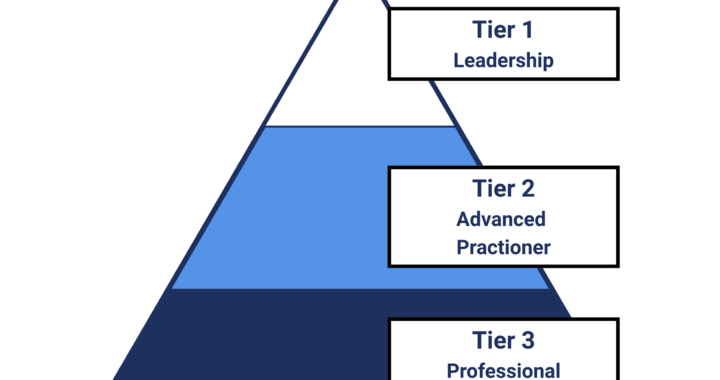
To that end we have created our ‘Tier One‘ training for youth workers in their first few years of youth work. Much of this training is aimed at areas youth workers tell us they need more support in, and is built on the idea that you could do it to compliment a degree program.

The current offerings for 2019 include:

Critical Incident Debriefing

There is a disappointing trend in the wider human services sector to leave critical incident debriefing to psychologists who have very little experience in the sector. While well meaning and highly qualified they don’t know youth work or the context youth workers work in. We have provided Critical Incident Debriefing for the last few years as a side to the main work of Ultimate Youth Worker. In 2018, we have been approached by a number of youth work organisations to provide debriefing for their youth workers. In 2019, we will provide this service as part of our core business of supporting youth workers.

Research

two

Research is more important now in the youth and community services sector than ever before. Evidence based practice is here to stay and if you want to meet the challenges of this century and all its funding issues you need good research. Ultimate Youth Worker researchers come from a diversity of disciplinary backgrounds including social work, psychology, youth work and education. Our research approaches like our staff are diverse and complementary to the sector. The types of research and practice development we undertake have included:

  • Action research
  • Collaborative research
  • Development of models of best-practice
  • Evaluation
  • Face-to-face and online training modules
  • Implementation science
  • Population studies
  • Qualitative and quantitative studies
  • Youth participation

Our staff can help you with everything from literature reviews to major projects. Whatever your need contact us for a confidential discussion as to your requirements.

Podcast

The Ultimate Youth Worker Podcast is the leading youth work podcast on the internet. Expert interviews, mini trainings,  and intimate behind-the-scenes secrets from our team of expert youth workers… all tied together by our mission to make EVERYTHING you listen to as actionable as possible. We guarantee that you will find this podcast the most helpful tool in your youth work toolkit.

In 2019 we will be reaching out around the world we bring together the most experienced practitioners, the most published academics and the most renowned policy makers to help us to gain a depth of wisdom that will make us all Ultimate Youth Workers. Bringing evidence based practices, journal articles, books and the best practical wisdom together to inform our interviews you get the most up to date thinking in the sector… all at the touch of your favourite podcast player.

Aaron Garth

Aaron Garth

Aaron Garth is the Executive Director of Ultimate Youth Worker. Aaron has worked as a youth worker in a number of settings including local church, street drug and alcohol outreach, family services, residential care, local government and youth homelessness since 2003. Aaron is a regular speaker at camps, retreats, & youth work training events and is a dedicated to seeing a more professional youth sector in Australia. Aaron is a graduate of RMIT University and an alumnus of their youth work program. He lives in Melbourne with his wife Jennifer & their daughters Hope, Zoe, Esther, Niamh and son Ezra.

More PostsWebsite

Follow Me:Add me on XAdd me on FacebookAdd me on LinkedInAdd me on PinterestAdd me on YouTube

Professional Youth Work

What do we mean by professional youth work?

Professional Youth WorkProfessional youth work

There has been a lot of talk over the past few decades about the need for professional youth work. We have talked about it al lot too (to see some of our thoughts click here). The issue is if you ask the average youth worker what the sector means by professionalisation they have vague answers at best. If you get someone on their game they may speak about things like qualifications, codes of ethics and pay and conditions of workers. The big issue here is we don’t really know what we mean when we say we need to professionalise!

If you do a cursory glance at the literature on professional youth work however it becomes clear very quickly what model academics and senior practitioners are talking about. It is a model that harkens back to the structural functionalists of the early 20th century. These writers such as Emile Durkheim and Talcott Parsons saw the need for groups of people to hold knowledge about certain issues for the good of the whole society. They saw a link between the legitimate “professions” and character traits such as self-sacrifice on the part of the individual, ethical practice framed by a code of ethics, autonomy of the profession, and monopoly over a body of knowledge. They saw the need for the strengthening of university education to confer attainment of these traits to professionals and legitimation of the professions.

Sociologist and University of California Berkley, Social Welfare Professor, Ernest Greenwood (1957), best described a profession in terms that we see in the social welfare literature today by identifying five common attributes that distinguish them from non-professional associations. His work contributed significantly to the professionalization movement in social work within the United States of America throughout the latter part of the twentieth century. Greenwood’s work has also been used throughout the social welfare sector to develop core frameworks to develop many professional associations.

[Tweet “Perhaps we need a new discussion in youth work that asks what type of professionals we want to be”]

Surveying the relevant literature in the mid twentieth century Greenwood identified five attributes that characterised professionals:

  1. systematic theory
  2. authority
  3. community sanction
  4. ethical codes
  5. a culture

By systematic theory Greenwood means, “a system of abstract propositions that describe in general terms the classes of phenomena comprising the profession’s focus of interest”. By authority, Greenwood believes that the knowledge of a discipline which frames its systematic theory sets a professional apart from the layman as holder of professional authority. Community sanctions are those which state who can and can’t be a member, particularly which education makes you a professional and which doesn’t. A Code of ethics sets the formal guidelines for a profession, hence, “the profession’s commitment to the social welfare becomes a matter of public record; thereby insuring for itself the continued confidence of the community”.  Finally, by culture, Greenwood means the unwritten code of conduct generated by groups within the profession, “the interaction of social roles required by these formal and informal groups generate a social configuration unique to the profession, viz., a professional culture”.

As the dominant model of professionalisation in the social welfare sector Greenwood’s Attributes Model cannot be ignored. However, it doesn’t need to be followed blindly either. Perhaps we need a new discussion in youth work. One that asks what type of professionals we want to be… Rather than how we can be like everyone else.

What do you think we should be like?

Aaron Garth

Aaron Garth

Aaron Garth is the Executive Director of Ultimate Youth Worker. Aaron has worked as a youth worker in a number of settings including local church, street drug and alcohol outreach, family services, residential care, local government and youth homelessness since 2003. Aaron is a regular speaker at camps, retreats, & youth work training events and is a dedicated to seeing a more professional youth sector in Australia. Aaron is a graduate of RMIT University and an alumnus of their youth work program. He lives in Melbourne with his wife Jennifer & their daughters Hope, Zoe, Esther, Niamh and son Ezra.

More PostsWebsite

Follow Me:Add me on XAdd me on FacebookAdd me on LinkedInAdd me on PinterestAdd me on YouTube

ABCD and the youth work profession debate?

ABCD for Youth Work

Much of 2016 was horrible for the profession of youth work. Our funding was cut… yet again, more of our colleagues lost their jobs and still more left because of burnout. Much of our discussion of the profession of youth work has focussed on what we don’t have and what we aren’t yet. Aside from a few fledgling state based professional associations our move towards developing the profession of youth work has stalled. So what next? What is the next step for us in developing the profession of youth work in Australia? What can we learn from Asset Based Community Development?

Youth WorkTo begin with I think we need to re-evaluate where we are at and where we want to be. For the last few years we have rested on the academic work of he last decade to frame our arguments around professionalism. There has been a glaring omission in this research, the voice of the youth worker. For the most part the work on the development of professional youth work in Australia has been the purview of academics, peak bodies and industry groups. We need to hear what those on the front line want from a professional association. We also need to ask what this association would look like?
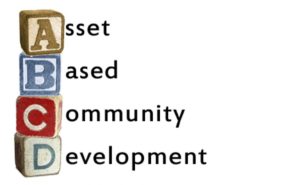
One framework that could help us to begin reframing the discussion is Asset Based Community Development (ABCD). Asset-based community development (ABCD) is a methodology for the sustainable development of communities based on their strengths and potentials. It involves assessing the resources, skills, and experience available in a community; organizing the community around issues that move its members into action; and then determining and taking appropriate action

ABCDLiberation is a key focus of youth work theory and is a focus we should consider in professionalising. Harvard University academic Rosabeth Moss Kanter says that when we do change to people, they experience it as violence, but when people do change to themselves, they experience it as liberation. There are currently three groups in the debate; those who are in favour of professionalising, those who are against professionalising and those who are apathetic to the whole debate. None of these groups are experiencing liberation.
We are a divided community. Partly this is due to the competitive nature of government funding, partly our qualification system and partly how our services are set up. We have become so entrenched in the deficits based funding models that we see our professional deficits. We have so brought into the minimum qualifications mentality and graduate so few postgrads that the notion of becoming  a highly educated profession is fascicle. We also have difficulty transitioning between statutory and non-government service provision. Honestly we focus more on our diversity than we do on the things that make youth work cohesive.

Its easy these days to focus on what is wrong in youth work. Like I said, its embedded in our way of thinking. We need to move as Cormac Russell states from, “whats wrong to whats strong” in our youth work community. What assets do we bring to the question of professionalising? What is our strength? How can we use our strengths to meet our agreed goals? We need to build our community. We need a clear goal for youth work as a profession. Perhaps ABCD can help us to develop these areas.

Aaron Garth

Aaron Garth

Aaron Garth is the Executive Director of Ultimate Youth Worker. Aaron has worked as a youth worker in a number of settings including local church, street drug and alcohol outreach, family services, residential care, local government and youth homelessness since 2003. Aaron is a regular speaker at camps, retreats, & youth work training events and is a dedicated to seeing a more professional youth sector in Australia. Aaron is a graduate of RMIT University and an alumnus of their youth work program. He lives in Melbourne with his wife Jennifer & their daughters Hope, Zoe, Esther, Niamh and son Ezra.

More PostsWebsite

Follow Me:Add me on XAdd me on FacebookAdd me on LinkedInAdd me on PinterestAdd me on YouTube

Youth work and politics

Politics is great

One of my favourite questions for youth work students is how much they love politics. It asks them if one wall is ‘I hate politics with a fiery passion’ and the opposite wall is ‘I love everything about politics’ where do you stand on the continuum? Most students herd themselves down the ‘I hate politics end’, I have even had a few leave the room completely. Every now and then a few likely souls brave the tides and step towards their love. They show their comrades that politics is not to be feared or despaired over but embraced fully.

politics and youth workThe fact of the matter is that all youth work is political. Whether you are supporting an individual young person through an education program or you are advocating for hundreds at a symposium, all youth work is from a political framework, in the political system and funded because of political ideals. As youth workers we must have a strong understanding of the political sphere and the process that helps bring the decisions to the fore. We need to know the players and their political bent. We need to understand how to influence these decision makers and help them hear the voice of our young people.

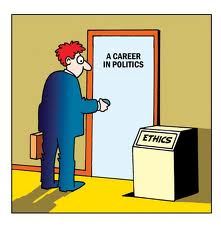
Our profession is motivated to provide a world that listens to and embraces young people as equal citizens. This is a very political statement. It puts a flag in the ground that we will not give up. Sometimes it puts us politically against those in power. Sometimes our vision aligns. Either way our employment and our future is intrinsically linked to politics. Whether your a liberal leaning lefty or a right as rain conservative if you are a youth worker your work is politically challenging. You are more like a lobbyist than you think.

Whats your take on political youth work?

Aaron Garth

Aaron Garth

Aaron Garth is the Executive Director of Ultimate Youth Worker. Aaron has worked as a youth worker in a number of settings including local church, street drug and alcohol outreach, family services, residential care, local government and youth homelessness since 2003. Aaron is a regular speaker at camps, retreats, & youth work training events and is a dedicated to seeing a more professional youth sector in Australia. Aaron is a graduate of RMIT University and an alumnus of their youth work program. He lives in Melbourne with his wife Jennifer & their daughters Hope, Zoe, Esther, Niamh and son Ezra.

More PostsWebsite

Follow Me:Add me on XAdd me on FacebookAdd me on LinkedInAdd me on PinterestAdd me on YouTube

Youth work and your family

Family comes first

Over the past few weeks I have been reflecting on the pressures youth workers face because of the job. We have high rates of psychological distress, we deal daily with vicarious trauma, our jobs are often at the mercy of government whim and to top it of we work long crazy hours. This takes a massive toll on us as youth workers, unfortunately it also has ripple effects around us.

youth work family lifeI have seen a number of memes lately that have really got on my nerves. Mainly because they hit the bullseye. As youth workers and indeed human services workers in general we can become so focussed on the people we serve that we forget about the ones we love. Our partners, spouses and children forget what we look like as we spend every night out at meetings, running centres and programs. Our kids in particular feel the burden.

I have met many young people over my career who had parents who were youth workers. most turned out pretty ok. A number of them however had fallen off the rails. This detour through trouble often came because they felt abandoned by their parent for other young people. Often hearing about how the more troubled kids need their parents attention at the moment.

As a youth worker I have not been immune to this either. Studying, working weird and wonderful hours and being out at nights and weekends has been a part of my life for well over a decade. The final semester of my Masters degree I was working 80+ hours a week and was lucky if I saw my wife and children on a week night or more than a couple of hours on the weekend. As a family we knew this was only going to be for a season, yet the strain was clear.

A few weeks ago my family grew by two. Beautiful identical twin girls. This has made me slow down and reevaluate. Some things have taken a hiatus, some have been cut fully. One thing has been a clear reminder to me in this time, My family is the most important people in my life. When it comes to balance my family wins every time. If we put others young people before the needs of our own children what message does that convey to them. I know there will be times where for the short term we have to put our work first, but if our own children continue to lose out then they will become the clients of other youth workers down the track.

It is a cycle I intend to break. Being a professional means having thing work at home and at work. Will you join me? Put family time first n your calendar. Your family comes first.a

Aaron Garth

Aaron Garth

Aaron Garth is the Executive Director of Ultimate Youth Worker. Aaron has worked as a youth worker in a number of settings including local church, street drug and alcohol outreach, family services, residential care, local government and youth homelessness since 2003. Aaron is a regular speaker at camps, retreats, & youth work training events and is a dedicated to seeing a more professional youth sector in Australia. Aaron is a graduate of RMIT University and an alumnus of their youth work program. He lives in Melbourne with his wife Jennifer & their daughters Hope, Zoe, Esther, Niamh and son Ezra.

More PostsWebsite

Follow Me:Add me on XAdd me on FacebookAdd me on LinkedInAdd me on PinterestAdd me on YouTube