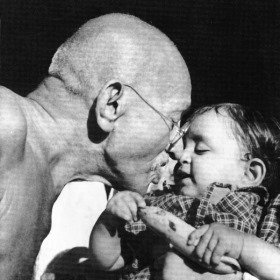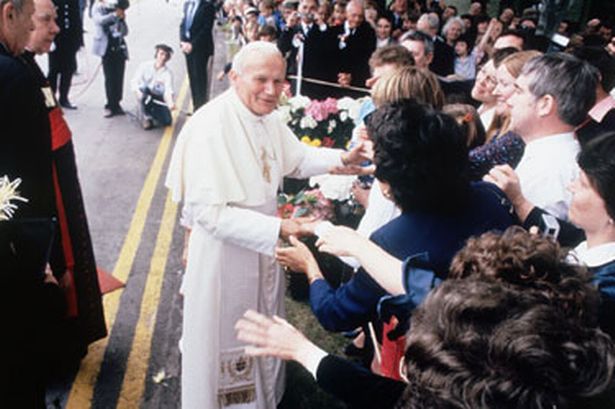
One of the most enjoyable parts of being a youth worker is providing a measure of encouragement to our young people. Often the world sucks! Through broken people, the media and even their “friends” young people are attacked from all sides by people telling them how bad they are, that they are delinquent and even worse they are useless. Young people are behind the eight ball when it comes to developing their self-confidence and then society throws them under the bus to finish them off. No wonder our young people struggle to dream of a better future.
The difficulty with encouragement is that it is sometimes really hard to do! Some of our young people are a joy to be around and others take a lot of effort. Some of our young people are easy to encourage and for others it is like pulling teeth. When a top performing young person does their normal activity it is relatively easy to find something to encourage them about. When a difficult young person goes about their normal activity we want to take to them with a baseball bat… (or perhaps that’s just me). So how can we encourage our young people even when we want to murder them???
We need a framework! A tool for the job! And it just so happens that I have one for you that I picked up in 2004. I Was doing an internship with a great youth organisation here in Melbourne when we were taught this amazing little gem. I do not remember who they borrowed the concept from but it is awesome to use as a foundation for encouraging young people. It can take less than 10 seconds, is three sentences and works every time… WE GUARANTEE IT!!!
So what are the three sentences?
I saw what you did…
That makes me feel…
I see you becoming…
Lets spend some time and break this down for you.
I saw what you did… You need to observe a behaviour in your young people (However small it might be) and put it into words. It could be an interaction with another person, An action they don’t often do like cleaning up without asking or even not acting negatively when provoked. As long as you observed it and can articulate what you saw then you have completed the first step.
That makes me feel…I must confess this is the step I struggled with most, and still do sometimes (I am an emotionally stunted individual, at least that’s what my wife tells me when I have angered her). Once you have observed and articulated the behaviour you need to let them know how their behaviour has impacted upon you. Once again it doesn’t need to be monumental. I once told a young person that I was relieved that they hadn’t gotten into a fight with a half dozen other young people (I was in the middle of the group and saw my life flash before my eyes whilst a bright light emerged in front of me… I think I heard voices). Pick a feeling and let them know why you feel that way.
I see you becoming…The final step is to let them know that you are seeing a transformation. If their behaviour was a meaningless blip on the radar it will have little impact on them when you point it out. If however, the behaviour is a step in the direction of awesomeness that has a lasting effect. It shows that you see their behaviour as a step in a process rather than a one off brain fart in their otherwise perfect record of naughtiness. It also leaves a thought in the back of their mind about where YOU see THEM heading in life.
This framework is great to use with difficult young people because it guides you and you don’t need to struggle with what to say. But it works equally well with a good kid, a little old lady (Just don’t tell them you see them becoming worm food…apparently they don’t like to be reminded they are close to death. Who knew!) and even with your spouse. It doesn’t matter who you use it with, just that you use it. We all know that young people need more encouragement and often it just seems too hard. This tool provides the leverage you need to move towards a more encouraging youth practice.
Examples
A young person in Out of Home Care who usually turns every discussion into an argument or a physical altercation decides to walk away from another young person when their chat begins to turn ugly. You walk up to her and say… I saw you walk away from Sarah just then. When you take action to stop a fight like that I feel confidant that you are maturing. I see you becoming better at managing your emotions.
When I was a street drug and alcohol outreach specialist, I came across a young guy who was obviously hanging out for a hit. I had known him for a few months and was aware that he had little self control when it came to his drug use. As we spoke he stated that he had told his dealer that he was not going to use on the particular night because a friend of his had overdosed a year earlier. I said, “I can see that your choice not to use has caused you a heap of hurt and that doesn’t look like its going to let up. That makes me feel like your mate meant a lot to you and that when things mean a lot to you you will go the extra mile. I see you becoming a man who will put himself on the line for what he believes in”. He continued to use for just under a year but the work we did for that time was firmly cemented in his ability to choose the hard path and commit to it even if it hurt.
A challenge to end this post. Encourage at least one person every day!!! If you struggle with what to say use our framework. The point of the exercise is to just do it. Society is so stuffed up that any encouragement no matter how staged or poorly enunciated is gold. People will lap it up like they had never been encouraged before. If you got to here I know you want to encourage your young people. It warms my hear to know that you want to make your young people feel loved and supported. I see you becoming an ULTIMATE YOUTH WORKER!
If you haven’t yet sign up for our newsletter to find out all the goings on at Ultimate Youth Worker. The form at the top right of this page is all you need to do.
You can sign up to have our blog posts sent straight to your email by adding your email to the subscribe button on your right.
You can also leave us a comment below or post a comment on facebook and twitter.
Aaron Garth is a Melbourne-based youth worker, social worker, and mental health practitioner with over two decades of experience supporting young people across Australia. As Executive Director of Ultimate Youth Worker, he leads a team dedicated to training, coaching, and developing professionals in the youth sector.
A graduate of RMIT University and current PhD candidate, Aaron has worked across some of the most challenging areas of youth services — from homelessness and mental health to drug and alcohol outreach and residential care. He is a sought-after speaker, educator, and advocate for a more professionalised youth workforce, and has taught at institutions including RMIT, Chisholm Institute, and Eastern College Australia.
Aaron's work is driven by a simple belief: when youth workers are better supported, young people get better outcomes.
All too often in youth work we are forced to commit ourselves to shallow engagements with young people. Whether because of funding, policy or staffing constraints we are required to put aside relationship building to satisfy paperwork for bureaucrats. More and more young people are crying out for real support from youth workers, and more and more the squeeze of the bureaucrat tears our loyalty and professionalism in two. How can young people trust us when we can’t offer them the basis of trust…time?
In my mid twenties I was seconded to a small rural drug and alcohol rehabilitation centre as their Assistant Manager. I was excited. However that excitement barely lasted my first week. I was tasked with transforming the service into a dual diagnosis rehabilitation facility by our government benefactors within very stringent time lines and policy environments. One of my constraints was that a maximum stay with our service was eight weeks with many young people leaving before the sixth week. The government saw this as young people having an inability to stick at rehabilitation. I saw young people who did not trust the staff and could not develop lasting relationships in six weeks being oppressed by a system set up to help them.
I advocated for a change to our constrained time frames and was blocked. We showed client feedback and were countered by vagueties and innuendo. We even provided cost benefit analysis to the minister showing the need. Nothing. The idea of engaging with young people beyond a surface level was one which we just could not get the bureaucracy to understand. This led me to become as Schwartz and Sharpe (2011) a canny outlaw, Trading conventional wisdom for practical wisdom. I found every opportunity to keep a young person on for a second stay. I developed links to supported accommodation and provided staff to outreach to the young people. My rationale was that if we were to really effect change in our young peoples lives then we had to gain their trust and that required a deeper engagement than six weeks could provide. It was during this time that I began to develop my understanding of the need for deep engagement as a pillar of successful youth work practice.
Young people are seeking genuine care from youth workers. Care built on developed trust. To build this trust we must share life with our young people and this can only happen by spending time with them. I have worked in many corners of the youth sector, government departments, residential care, family services, homelessness and ministry; the same issue exists in every one of them. Policy constraints, lack of funding and a lack of trust from our young people. If we wish to turn the tide of societal disintegration we have to step into the gap. Our identity as youth workers places us in that gap. We believe that young people should have every opportunity to develop and the best way for that is to engage as deeply with them as possible. Sharing in their struggles, triumphs and developing a trust that can only come from a shared path.
We are accountable to many stakeholders as youth workers. In this role we must hold our accountability to our young people as our highest duty. To provide the best practice possible to our young people we must engage deeply and build trust. But how do we do it I hear you say? It is no easy feat. We will have to move counter culturally to the norm of current youth work practice. We must spend more time with our young people in meaningful activities rather than one hour appointments.
Deep engagement is difficult in our current service system however, it is the only way to build the foundation to work with young people to change their trajectory. Deep engagement is the benchmark for youth services provided by the team at Ultimate Youth Worker. It is also the central concept in all of our teaching, supervision and coaching around client engagement. We believe this so intensely that we routinely pass up work that is not geared towards enhancing engagement with young people. This is our number one imperative when working with young people. If you are not willing or able to engage deeply with young people do not engage at all!
In coming months we will discuss how to engage deeply with young people, however it may require you to shirk the ‘rules’ imposed on you. Are you willing to become a ‘canny outlaw’ to support young people more effectively?
If you haven’t yet sign up for our newsletter, find out all the goings on at Ultimate Youth Worker by signing up using the form at the top right of this page. It is all you need to do.
You can also sign up to have our blog posts sent straight to your email by adding your email to the subscribe button on your right.
You can also leave us a comment below or post a comment on facebook and twitter.
Aaron Garth is a Melbourne-based youth worker, social worker, and mental health practitioner with over two decades of experience supporting young people across Australia. As Executive Director of Ultimate Youth Worker, he leads a team dedicated to training, coaching, and developing professionals in the youth sector.
A graduate of RMIT University and current PhD candidate, Aaron has worked across some of the most challenging areas of youth services — from homelessness and mental health to drug and alcohol outreach and residential care. He is a sought-after speaker, educator, and advocate for a more professionalised youth workforce, and has taught at institutions including RMIT, Chisholm Institute, and Eastern College Australia.
Aaron's work is driven by a simple belief: when youth workers are better supported, young people get better outcomes.
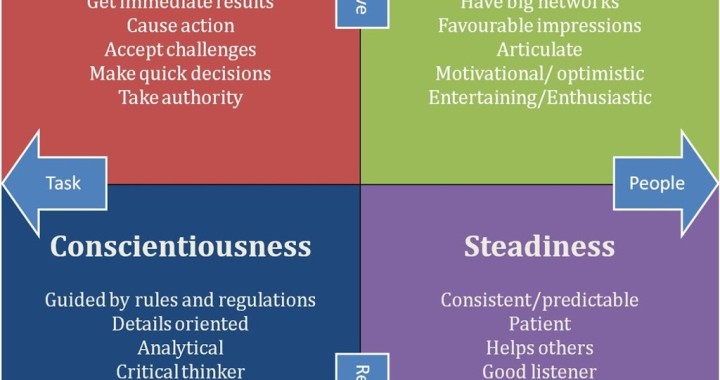
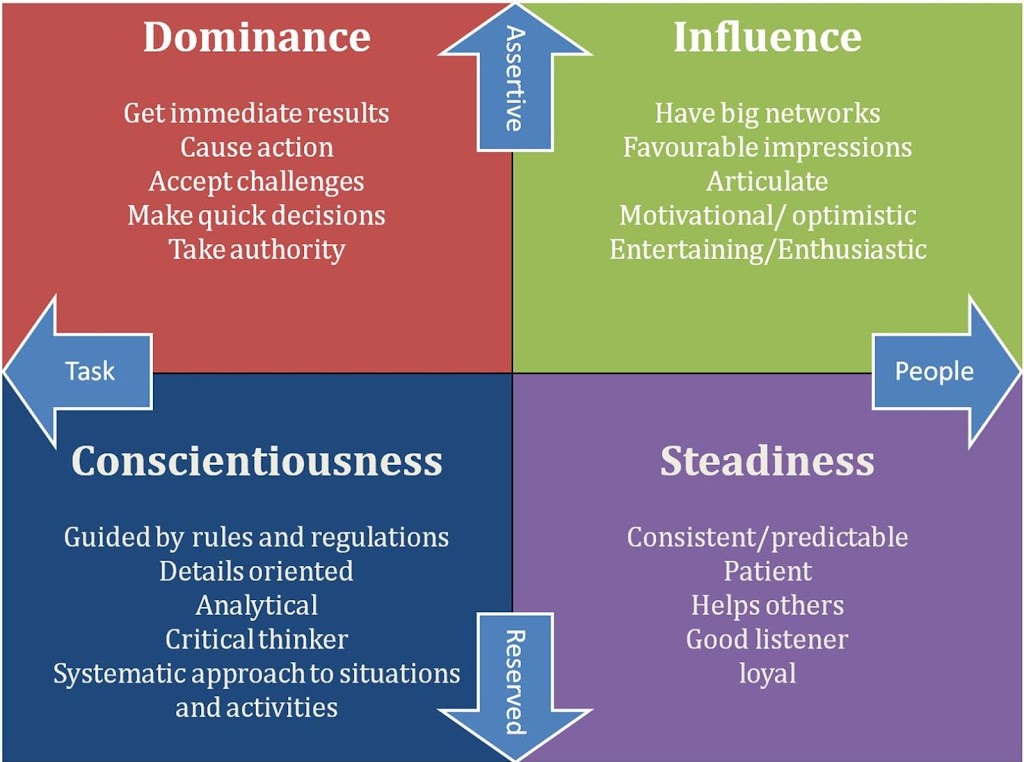
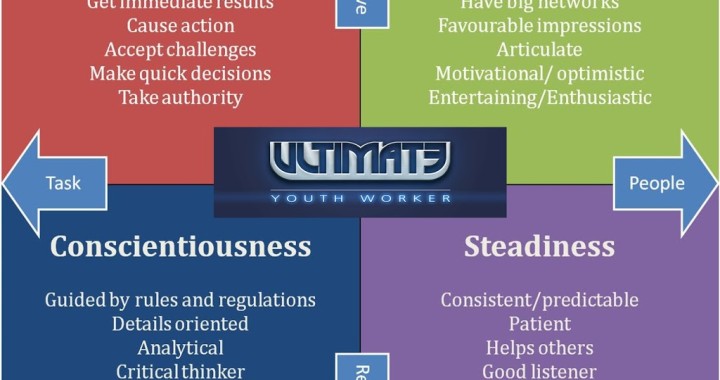
Over the last five weeks we have looked into the best tool we know of to help people build relationships with people the DISC behavioural profile. So far we have looked at three of the quadrents DOMINANCE, INFLUENCE and STEADINESS. This week in our ‘Thursday Think Tank’ we continue with the final quadrant in the profile and an overview of the CONSCIENTIOUSNESS behavioural style. People with this style are usually reserved and task focused.
Mr and Mrs facts and figures. People with high CONSCIENTIOUSNESS in the group are the epitome of dot your I’s and cross your T’s. They are slow to speak but when they do it is meticulous and ordered. They focus on task and process. They respect people who are precise and accurate. They often have a sterile work space. They are time conscious but not restrained by it. They are hard to read when it comes to body language and above all else want to be right! If these guys were a slogan they would be HTC: quietly briliant.
A person with a high level of CONSCIENTIOUSNESS in their profile is a rule follower. If there isn’t a rule they want one created. These people are usually polite and diplomatic. They will often communicate in writing over face-to-face. They do not focus on big picture but get down in the weeds, the detail. No abstracts or opinions here, They only discuss the facts. A high C can often get stuck in the old ways of doing things and systems of old and would rarely act without a precedent.
A high level of CONSCIENTIOUSNESS can lead to giving in to avoid conflict. They can be slow to act and do not see the forrest for the trees. They see the problems and can be critical of others. To make a decision these guys need every piece of information and every avenue of thought to be addressed… even then if there is any risk they may not act. They are thorough and persistent. They are matter-of-fact which can come accross as abrasive.
Here are our top seven tips for working with people with CONSCIENTIOUSNESS behavioural traits:
Show dependability: Let them know that you depend on their work and that they can depend on you to support them.
Show loyalty: Back them whereevr you can. These guys don’t like conflict so will not argue with you if you go against them, they will just withdraw. If you can, Show them you are on their side.
Be tactful and reserved: Even if you are going to go with another idea be supportive of them. They are not party animals so tone it down and focus on their knowledge and expertise.
Honour precedents: If something has worked in the past and they bring it to your attention try to run with their idea. If there is a rule in place, even if it is unwritten, be aware and open to following it.
Be precise and focused: this is similar to number one, however is more about how to do it. Do not leave any ambiguity. Be clear consice and if necesary say it twice. Set SMART goals and require them to report on their actions. Send your request in an email… they’ll love it.
Value high standards: These guys expect perfection and then attempt to deliver it. When they want to have it perfect but you have a short timeframe express your thanks for their standards but explain the need for brevity. Hold it in high regard. Praise them for their effort. Let them know you still expect the highest possible quality within the timeframe.
Some well known high CONSCIENTIOUSNESS behaviour holders you may know and have seen.
Colin Powell
Mr. Spock
Bill Gates
Kevin Rudd
Fred Hollows
James May
If you haven’t yet sign up for our newsletter to find out all the goings on at Ultimate Youth Worker. The form at the top right of this page is all you need to do.
You can sign up to have our blog posts sent straight to your email by adding your email to the subscribe button on your right.
You can also leave us a comment below or post a comment on facebook and twitter.
Aaron Garth is a Melbourne-based youth worker, social worker, and mental health practitioner with over two decades of experience supporting young people across Australia. As Executive Director of Ultimate Youth Worker, he leads a team dedicated to training, coaching, and developing professionals in the youth sector.
A graduate of RMIT University and current PhD candidate, Aaron has worked across some of the most challenging areas of youth services — from homelessness and mental health to drug and alcohol outreach and residential care. He is a sought-after speaker, educator, and advocate for a more professionalised youth workforce, and has taught at institutions including RMIT, Chisholm Institute, and Eastern College Australia.
Aaron's work is driven by a simple belief: when youth workers are better supported, young people get better outcomes.
Throughout my career I have met hundreds if not thousands of youth workers with varying levels of expertise, varying knowledge bases and within differing organisations. Whether they are eighteen or eighty (yes I have met an eighty year old youth worker) they all brought their understanding and experiences to their practice. The ones who I respected the most were the ones who had the guts to say they didn’t know something and asked how to do it. Whether it was looking at a new theory and not knowing how to translate it to theory or developing a program and not knowing the best evaluation methods recognising your limitations and seeking to gain education to fix this is the mark of a true Ultimate Youth Worker.
Recently I have met a handful of youth worker’s who have spent more than a decade in the field. These youth workers are in positions of leadership throughout the sector. They also have a limited understanding of youth work basics. They do not hold qualifications and believe that their knowledge level is ok. These workers are not held accountable for their practice by anyone. Because of their lack of accountability these youth workers have not been required to develop their skillset, their practice or their ethics.
One such worker stated to me that after thirty years in the field she did not know how to evaluate a program properly. She followed that comment up by saying that it was ok because she would leave program evaluation to her staff. I don’t believe that you need to know everything as a supervisor but you should have a basic level of understanding. This worker did not see her deficit as needing to be addressed. If she had stated that she wanted to know how to evaluate a program or that she was looking into some articles about evaluation this post may not have been written. We need to aim for excellence in youth work. We owe it to our clients, coleagues and community. Anything else is slack.
The fact is it is easy to fix. I do not know everything. I am the first to admit it. The rest of the team hear at Ultimate Youth Worker do not hold the ticket of all knowledge. Together we are not bad but we still don’t know it all. But we do ask questions, we read widely and attend every piece of training that we possibly can. The first step is to identify where there is a deficit in your practice. The second step is to seek a way to fix this deficit and to be a sponge of any knowledge you can find to aid you in this mission.
A way to get your professional learnings right on your phone, tablet or computer
Until recently I had never written a social media marketing plan. I spoke to friends and colleaguews in the communications field. I read articles and blogposts and anything else I could get my hands on. I spent endless nights slaving over the keyboard and eventually I wrote my first social media marketing plan. I have also been working with a young youth worker who is developing his first project proposal. When we first spoke about what it would entail before he could open the doors to his first project he almost fell off his chair. The task seemed so big. It was unknown. A few chats and a couple of articles later and the task didn’t seem to scary. Knowledge is a powerful tool.
The other side to this coin is to have someone who will keep you accountable to ongoing learning. If you are blessed (or cursed as I may be) you may have multiple people who get you to think about multiple areas of your practice. The point is you never become an expert… you just become a life long learner. The education of an Ultimate Youth Worker is a life long commitment and a duty to be fulfilled. But more on that next week.
If you haven’t yet sign up for our newsletter to find out all the goings on at Ultimate Youth Worker. The form at the top right of this page is all you need to do.
You can sign up to have our blog posts sent straight to your email by adding your email to the subscribe button on your right.
You can also leave us a comment below or post a comment on facebook and twitter.
Aaron Garth is a Melbourne-based youth worker, social worker, and mental health practitioner with over two decades of experience supporting young people across Australia. As Executive Director of Ultimate Youth Worker, he leads a team dedicated to training, coaching, and developing professionals in the youth sector.
A graduate of RMIT University and current PhD candidate, Aaron has worked across some of the most challenging areas of youth services — from homelessness and mental health to drug and alcohol outreach and residential care. He is a sought-after speaker, educator, and advocate for a more professionalised youth workforce, and has taught at institutions including RMIT, Chisholm Institute, and Eastern College Australia.
Aaron's work is driven by a simple belief: when youth workers are better supported, young people get better outcomes.
Over the past few weeks we have been looking at the DISC behavioural profile and its use for youth worker’s in developing relationships and networks. So far we have discussed the EXTRAVERTS of the group and we continue on with the PEOPLE focused groups today. This week in our Thursday Think Tank we continue with the third quadrant in the profile and an overview of the STEADINESS behavioural style.
STEADINESS is the nurturer of the bunch. The motherly figure. The thrive on small talk. They are the first people to ask you how you are going. They prefer to ask rather than tell. They love to listen rather than talking. They are the slow steady deliverers. Those that have a STEADINESS profile are often reserved and speak with a lower volume. These people will use first names and speak with a warmth that is genuine. STEADINESS behaviours tend to prefer speaking one-on-one rather than to a group. They speak calmly and methodically and are often seen as the steady ship when all around is chaos because they proceed carefully. These people often have photo’s all over their desk, are embarassed when praised but are the first to celebrate others and seem to be everyones friend. On the negative side they are often resistant to change, have difficulty prioritising tasks and sticking to deadlines. They struggle with systems and struggle with presentations and believing that their part in the grand scheme really is worthwhile. If these guys were a slogan they would be Optus: We hear you.
.
A person with a high level of STEADINESS in their profile speak rarely. They want to check on how a decision will affect others and are slow to impliment tasks particularlly if there is not a precedent. These folk are all about the story…all 18 volumes of it. They want to be part of the team and let everyone have a say. The saying you have two ears and one mouth so listen more than you speak was written by a high S. When they do speak though it is at a hundred miles an hour…they have a lot of ground to cover and not much time to do it.
It is hard to get a rise out of a high S. They epitomise the ostrich sticking their head in the sand. They shy away from any conflict as it goes against everything they stand for…Status quo and friends for all. They will rarely fight back, but if they do it is usually over the notions of justice and fairness. When they do fight back it is usually a quick explosion of how unfair an idea is and that as a person you are unfair because of your decision. It is also over as quick as they can make it happen as they want to get back to the way things were. Remember they are people persons.
Here are our top five tips for working with people with STEADINESS behavioural traits:
Be logical and systematic: These guys struggle with priorities and systems but they need to have a plan of action, otherwise they would spend all day around the watercooler or at a cafe chatting about your life. set clear boundaries and timelines for task completion.
Provide a secure environment: They do not like change! Make their environment as predictable as you can. Do not ask them to change thier password, move desks, do a rush presentation or lead a project that needs a quick resolution. Make them feel safe.
Tell them about change early: If there needs to be a change, pre-wire them early. Give them a heads up. Provide time for them to become comfortable with the idea of change. Walk them through it step by step and address their concerns.
Show how they’re important: If they do something great. Minimise your appreciation in public and be as sincere as possible in private. They struggle to feel their work is important so explain how they have made a difference.
Teach them shortcuts: If you let them run the show it will take two days to make a cup of coffee! The conversations will take up all their time. They want consensus and a clear picture of everything that needs to be done. The key thought here is do not make the perfect the enemy of the good.
Some well known high STEADINESS behaviour holders you may know and have seen.
Aaron Garth is a Melbourne-based youth worker, social worker, and mental health practitioner with over two decades of experience supporting young people across Australia. As Executive Director of Ultimate Youth Worker, he leads a team dedicated to training, coaching, and developing professionals in the youth sector.
A graduate of RMIT University and current PhD candidate, Aaron has worked across some of the most challenging areas of youth services — from homelessness and mental health to drug and alcohol outreach and residential care. He is a sought-after speaker, educator, and advocate for a more professionalised youth workforce, and has taught at institutions including RMIT, Chisholm Institute, and Eastern College Australia.
Aaron's work is driven by a simple belief: when youth workers are better supported, young people get better outcomes.
Are we becoming as obsolete as the home phone, the floppy disk or the hand held calculator???
Are we able to keep up with the rapid expansion of technology?
It used to be that if you needed your home stereo hooked up, your website developed or an email list for you group you could ask a youth worker and they would have an understanding of what to do…however rudimentary. However, over the past ten years I have seen an alarming trend towards a lack of technology use in youth work. Even worse, youth worker’s who do not have the skills to meet even the most basic of technological requirements.
A few years ago I was whimsically known in my organisation as ‘IT Support’. If any one in my team had an IT issue I was called in before we would call our organisations IT officer. How did I get this job you may be asking? Was it my years of study in IT? Perhaps because I was an avid gamer or computer nerd? conceivably, it was my years of university study where I used Microsoft Word on a daily basis. Actually, it was none of these! One day I helped my team leader to categorise and colour code her calendar. That is what made me the IT guru in my organisation.
Many of the ‘problems’ I was asked to fix in that team were pretty basic. As my wife says, it will ask you first if you really want to do something before you kill the machine. I fixed a few Word, Excel and PowerPoint issues and recovered a document or two, but nothing I would write home about. These skills were learnt by asking questions of people who knew more than me when I experienced those issues and then being able to remember what to do when it happened again. A small confession… I am the least tech savvy person in my friendship network.
With new technology coming onto the market every minute you would hope youth worker’s were at least keeping up, sadly if anything we are falling behind at an ever increasing speed.
There are a few reasons we at Ultimate Youth Worker believe that as a sector we are falling behind:
Our organisations. Organisational policies and procedures have become quite stringent as a knee-jerk reaction to possible legal and ethical issues which arise from the use of technology
Technology is changing so fast it is hard to keep up. If you do not devote time to seeing what is out there you can not keep up to date.
Technology costs money. I worked in an organisation two years ago that were still running windows ME on their computers which were ten years old!!!
So if it is important to our interactions with young people we should learn a bit about it right???
I was recently given the unpublished results of a survey from the UK where youth workers were asked how they preferred to take on professional development. No surprises, we prefer face to face contact. The biggest surprise for me though was that using technology to gain professional development was ranked lowest of 18 possibile choices. A cursory look at some of our social sector colleagues shows that their use of technology for professional development is expanding. The Australian Psychology Society and the National Association of Social Workers in the US provide great online training opportunities for their members however, the world across there is little for youth worker’s. This MUST change!!!
Here are a few reasons this can and should change.
Web based training is cheaper than other forms available. If and average worker is on $20 and hour and they attend a half day seminar that goes for 4 hours it costs the organisation $80 before they even get there. lets say it is in a major city and your organisation is in the outer suburbs, roughly an hour each way by transport is another $40 in lost productivity. Train tickets or petrol =$$$. Then there is the cost of the training. Is it catered, add more money. The average half day seminar in Melbourne currently goes for around $120.
The equation looks a little like this:
Conference attendance/lost productivity = $80
Transport/lost productivity = $40
Transport costs = $???
Parking = $???
Seminar cost = $120
Catering = $???
Total cost =$240+transport
Same seminar done online =$200 (no transport costs, no catering etc.)
It is easier to attend. If your seminar is from 10am-2pm you can get to work at 9am and spend an hour catching up on emails. at 2pm when the seminar finishes you grab a bit to eat and are back at your desk by 2:30pm (and you had a snack or two at your desk while you were at the seminar). All you need is a computer with Internet access and a headset with a mic. Also you can attend training on the otherside of the world with great trainers just by getting online…No need for a $1000 plane ticket.
Online seminars provide handouts etc online. Whether you are at a webinar, listening to a podcast or watching a pre-recorded PowerPoint most providers also give you access so that you can go again and print/save documents for future reference.
Your boss won’t think you are playing hooky. From our experience we have found that many bosses struggle with sending staff to PD because they have issues with trusting that you will be there the whole time and actually pay attention. It is usually not because you have given them a reason but they are remembering what it was lie for them. If you are in your cube or office and you are visibly doing your training then there is no reason to doubt you.
These are just a few of our thoughts, we know there are many more. Obviously we are biased. We write a blog for youth worker’s because of the lack of available professional development. We use social media including Facebook, Twitter, LinkedIn, Stumbleupon and Pintrest to further the networks and development opportunities for youth worker’s who want to become the best they can be. We believe that online is not only the best but the only way forward for us as a sector seeking excellent professional development.
To that end we wanted to let you know what we have been up to for the last couple of months and what it means for you our loyal readers. Recently we asked you to complete a survey for us (if you haven’t there is still time) this has cemented our ideas on professional development needs in the sector. We have been getting our heads around some technology to provide some opportunities for exceptional, inexpensive, online professional development for Ultimate Youth Worker’s (if you want to better yourself you are one!). We have also been writing up our training packages to support your needs.
So what does this mean for you as a youth worker?
In December we will be launching our first ever webinar to support youth worker’s to develop a self care plan. Stay tuned for a date closer to the event (hopefully first week in December).
In late January/early February we will be launching our podcast. We are currently recording and are getting some amazing guest hosts to provide inspirational and informative content to support you and your practice. Stay tuned for our official launch party!!! Its going to rock.
Of course we will also continue to provide our social network with challenges, inspiration and questions so please get on board and like, follow or pin us where you can, and PLEASE tell your friends and colleagues. This revolution in youth services support can only happen with your involvement and a swell of numbers.
Thank you for your support and encouragement so far. If there is anything we can do to support you please let us know.
Aaron Garth is a Melbourne-based youth worker, social worker, and mental health practitioner with over two decades of experience supporting young people across Australia. As Executive Director of Ultimate Youth Worker, he leads a team dedicated to training, coaching, and developing professionals in the youth sector.
A graduate of RMIT University and current PhD candidate, Aaron has worked across some of the most challenging areas of youth services — from homelessness and mental health to drug and alcohol outreach and residential care. He is a sought-after speaker, educator, and advocate for a more professionalised youth workforce, and has taught at institutions including RMIT, Chisholm Institute, and Eastern College Australia.
Aaron's work is driven by a simple belief: when youth workers are better supported, young people get better outcomes.
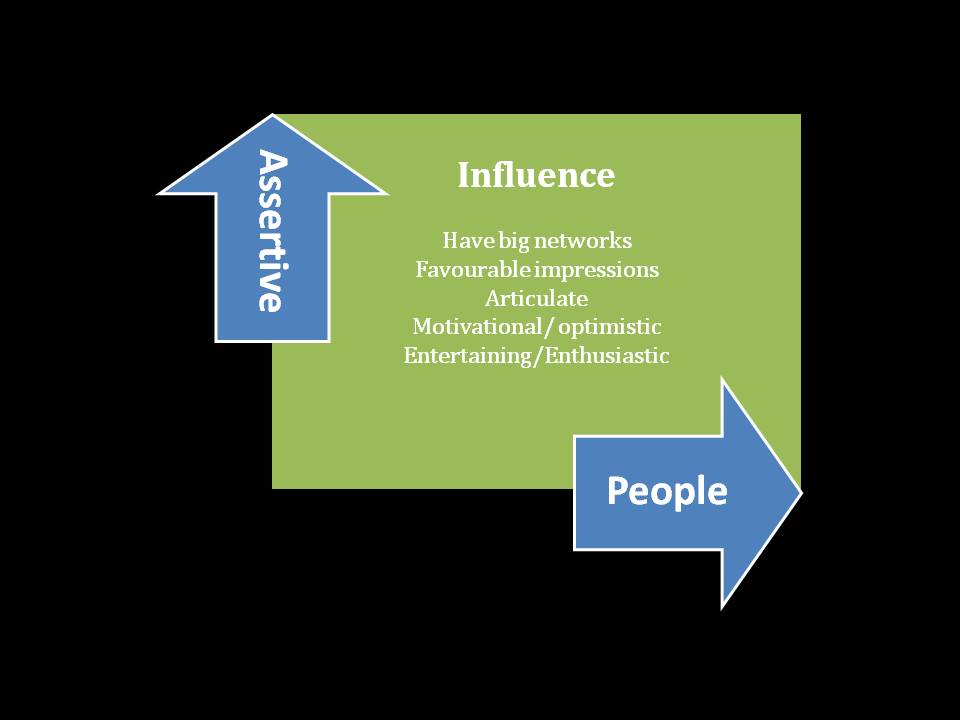
Last Thursday we began a looking at the individual quadrants within the DISC behavioural profiling system with “Observe the D in DISC for youth worker’s“. We are half way through our overview seriesand hope that you have been able torecognise some DOMINANCE behavioural styles in those around you. In this blog we continue the series with an overview of the INFLUENCE behavioural style.
One of the most exciting behavioural style to be around (and it is my secondary behavioural style) is that of INFLUENCE. The social butterfly or life of the party, people with thisbehavioural type often have large networks and seem to draw people to themselves. They are talkative, they over communicate, are born performers, are style setters, in teamsthey are the idea generators and they are very quick-witted. They are the most enthusiastic and active people you will ever meet and develop relationships quickly. They are fast starters and begin project with gusto. All of these positive adjectives are often linked to a person who is exhibiting a INFLUENCEbehavioural trait. On the other hand you have probably seen their negative behaviours as well. They work off intuition without reason. Theycan be highly emotional. They are sporadic and scattered. They start fast but rarely finish. They have too many projects on the go. If they were a slogan they would be Nokia: Connecting People.
A person with a high level of INFLUENCE in their behaviour speaks in a way that about 75% of us struggle to keep up with. They sell ideas with an inspiring style. They talk a lot at the 50,000 foot view but struggle to get down in the grass. They avoid bringing up difficult subjects but give good constructive feedback. They enjoyinteraction and focus on the feelings of their subject intently. They get enthusiastically involved in discussions and often talk too much. They may not assess what is being said and can loseconcentration and get sidetracked easily. They speak in stories and anecdotes often from personal experience. They are prone to exaggeration and when excited they speak really fast and approachyou closely using lots of facial expression.
Most of us struggle to get a word in edgeways with a High I and we are confronted at the speed and tangential thinking present in their conversation… but we do enjoy their conversation. They do respect a smile, a pat on the back and seven conversations at once. So how do we work with these people when their excitement is off the charts and you are not really sure which conversation you are having with them?
Here are our top six tips for working with people with INFLUENCE behaviour traits:
Approach them informally. These guys and girls hate feeling constrained. A meeting in an office with suits and ties and a policy document may just make them explode. A brief chat on the way to lunch or even a confab at their desk is the best way to get them on side. Do not start with facts and stats or a policy document it will make them throw a toddler tantrum.
Be relaxed and sociable. Even if you need to pull them into line be chilled out. These guys take their reputation seriously and if you are not sociable they will take it as a sign that you hate them.
Let them tell you how they feel and how awesome they are. Yes the sun doth shine from their backside and you would do well to acknowledge this with a hearty nod of the head. They are the centre of attention and you are a tool for propping up their ego. Whilst they care about people it is hard to notice them through their haze of awesomeness.
Keep the conversation light. Remember, they are up there in the clouds in the land of big dreams. It is a place where balloons pop very easily. You want to be a fluffy cloud and sharp grass. Details are the enemy. There is no pressure here. It should be like a trip to Tahiti.
Provide written details to focus their attention. As those with INFLUENCE behaviours can be flighty and forgetful write things down and get them to take notes. It also helps when they begin to go on a tangent if their KPI’s are written down as you can steer them back on course.
Use humour. Everything has a funny side… even paperwork!!! Try to lighten the mood by making a joke or finding a humourous take on the situation. If all else fails steal a Robin Williams skit. It will diffuse any tension and let them see you have a pulse.
Here are just a few people you might have seen on a TV that have INFLUENCE in their behavioural style.
Bill Clinton
Oprah Winfrey
Richard Branson
Dolly Parton
Robin Williams
Shane Warne (Cricketer)
Hamish Blake (Australian TV and Radio Personality)
Han Solo
Ellen DeGeneres
Leave us a comment below or post a comment on facebook and twitter.
Aaron Garth is a Melbourne-based youth worker, social worker, and mental health practitioner with over two decades of experience supporting young people across Australia. As Executive Director of Ultimate Youth Worker, he leads a team dedicated to training, coaching, and developing professionals in the youth sector.
A graduate of RMIT University and current PhD candidate, Aaron has worked across some of the most challenging areas of youth services — from homelessness and mental health to drug and alcohol outreach and residential care. He is a sought-after speaker, educator, and advocate for a more professionalised youth workforce, and has taught at institutions including RMIT, Chisholm Institute, and Eastern College Australia.
Aaron's work is driven by a simple belief: when youth workers are better supported, young people get better outcomes.
Over the past two weeks I have spoken to a number of youth workers and all of these conversations have turned at one stage or another to the topic of how much they should share about themselves with their young people. Some of the comments that I have heard were, “if I was asked I would tell them that it was a personal question and our work is not about me”, “our sector is to friendly with our clients, we need to distance ourselves”, and “how much do I share about myself when trying to build relationship with my young people”. My conclusion is that if our business is building relationships with young people then youth work educators need to spend more time on how we develop these relationships and on our identity as a profession.
When I started in youth work I too was prone to these questions. With some young people I shared about myself and with others I shut them out. I had no framework for how to deal with this and like many others I just played it by gut feeling. When I began my studies I thought I would be given some clarity on how to answer this question. low and behold I got nothing. Not even a push in the right direction. I was frustrated that there was no clear lines of accountability! If those in the academy could not help then I guessed I would have to work it out myself.
To build a framework I asked colleagues, mentors even my supervisors about what to do. BAD IDEA!!! For every person I spoke to I had at least one new answer. Nothing was adding up. I read books and articles on professional boundaries. Basically they said don’t sleep with your clients or do anything illegal and you will be fine. I was ready to blow up. How was I going to work this out???
In the end I had to come up with a framework of my own. It has formed the basis for one of the Ultimate Youth Worker pillars of practice: deep engagement. Over the years I have copped a lot of flak for my framework. Some say that I am to open with my young people. Others say I am to closed. Whichever way you will lean I have put my stake in the ground and intend to continue with this model until I find something better.
Before I give you the framework let me set some context. This afternoon I was chatting with a youth worker who spoke of the way his organisation teaches youth work students. They base some of their work on the work of a New Zealand based organisation who teach that youth workers need to have both professionalism and community focuses in their work. It is loosely based on the idea of ‘Hapu’ or extended family. A concept that is very much in line with Victoria’s Child Safety Commissioner Bernie Geary who believes that community has a responsibility to support and raise our young people. The balancing act of being a ‘professional’ and yet being a community focused person is difficult… but I believe it is also the key to the best outcomes for our young people.
So I have started to let the cat out of the bag. However, balancing professionalism and a community/extended family mentality is not enough. To many of our young people we fill relational holes in their lives such as those left by parent, siblings and friends. How do we keep the balance when they are striving to become our best buddy??? Two streams of thought always enter my mind and have become the basis for how I balance this conundrum.
In the Army here in Australia all leaders no matter their rank are taught that a good relationship with their team is critical for success. However if the lines get blurred because the relationship becomes more than that of a team and becomes a friendship things can get very messy. to combat this many of the leaders are taught the mantra “be firm, fair, friendly; but never familiar”. this little saying is the first way I balance my answers to those sticky situations. My young people are people not just clients! If I expect them to trust me and give me straight answers then I should show them the same respect. This doesn’t mean give them your home address and take them to your favourite watering hole. But within reason engage them in meaningful conversation as you would anyone else. Let your practice wisdom guide you but do not be afraid to share. I have spoken to sex offenders about my two little girls, told young people which suburb I live in (its a big place and I would be hard to find as I am not listed in the phone book) and even spoke about some of my failings (Yes, even we at the Ultimate Youth Worker have failed). The key to this is emotional intelligence. No more than you are comfortable with and as obscure as necessary for safety. For example, with some young people in residential care who had an affinity of following staff home I would often only say I lived in a particular local government area. With other young people I have no issue saying which housing estate I live in in my particular suburb.
The second one comes from my Christian youth work days and a bible passage which always spoke to me in this case. In 1 Corinthians 8 it talks about not letting your actions cause a brother to sin. This may be hard for some of our readers but I have found it to be a great help. In sharing with the above mentioned sex offenders that I had children I was pressed for details of their physical appearance. I had a split second to answer and in that time I believed that due to the nature of their offending and a knowledge of where their rehabilitation was at it would cause more harm than good to answer this question directly. I instead provided a half answer, “They look like me only shorter”. It was enough of a non answer for the young person to not follow up with more questions. When I worked in drug and alcohol rehab I was often confronted with the question “How would you know what its like”? As a manager I often had a suit and tie on which set me apart from the other staff who were jeans and t-shirt kind of people. Often I would just let it go by and not worry. However on one occasion I shared about my background growing up in a broken home in a rough neighbourhood in Melbourne. I shared that as a late teen I had a problem with alcohol and that one of my friends had supported me to reign it in. This led to a stronger relationship with that particular group but also many more questions which I had to fend off or minimise as I believed the answers would not have helped their recovery. One particular young man would ask incessantly how it felt to get drunk. As a person with a history of failed attempts at kicking the bottle I would often retort that it was a “painful experience for all involved”.
The main thing to think about on top of this is a safety issue. Is what your telling the young person going to cause you, your family or the young person undue harm or inconvenience. If the answer is yes then don’t tell them.
This is the bare bones of a framework that has taken me a decade to perfect. Over coming blogs we will discuss some scenario’s and further add meat to the bones.
let us know how this framework might impact your practice by leaving us a comment below or posting a comment on facebook and twitter.
Aaron Garth is a Melbourne-based youth worker, social worker, and mental health practitioner with over two decades of experience supporting young people across Australia. As Executive Director of Ultimate Youth Worker, he leads a team dedicated to training, coaching, and developing professionals in the youth sector.
A graduate of RMIT University and current PhD candidate, Aaron has worked across some of the most challenging areas of youth services — from homelessness and mental health to drug and alcohol outreach and residential care. He is a sought-after speaker, educator, and advocate for a more professionalised youth workforce, and has taught at institutions including RMIT, Chisholm Institute, and Eastern College Australia.
Aaron's work is driven by a simple belief: when youth workers are better supported, young people get better outcomes.
Last Thursday we began a Series looking at the DISC behavioural profiling system and discussed how DISC can help us to develop a behavioural lens to inform how we work with young people, our colleagues and other networks. Using the lens of DISC will help you understand peoples strengths and weaknesses, how to speak to them in a way that they will understand and warm to. This week we continue the series with an overview of the DOMINANCE behavioural style.
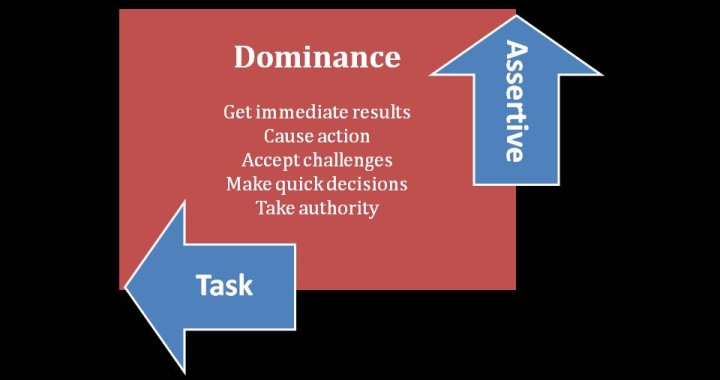
We are going to start with DOMINANCE as it is probably the easiest behaviour to spot (and it is my dominant behavioural style). You know the type. The jerk, the sore loser, Mrs self-centred, the poor listener, the steam roller, the irritated one or perhaps even Mr opinionated. All of these negative adjectives are often linked to a person who is exhibiting a DOMINANCEbehavioural trait. On the other hand you have probably seen their positive behaviours as well. They are the determined people, the strong willed, they get results when others struggle, they are fast thinker and even faster talkers, they take risks and get rewards. THEY GET THINGS DONE. If they were a slogan they would be Nike: just do it.
Aperson with a high level of DOMINANCE in their behaviour will often speak in a way that about three quarters of the population struggle with. They tell rather than ask. They talk more than they listen. They may be seen as pushy or even rude. They don’t beat around the bush and seek quick communication. They speak with an authoritative tone of control to assert their POWER over the situation. They are direct and forceful in their communication and impatient with pleasantries and meaningless pomp. They are focused on task and expect results. They are willing to get into trouble if it means getting thing things done in a timely fashion. People who have a dominance streak can rely on gut feelings over data and to many they are seen as mavericks.
Many people are scared of a confrontation with a high D. But that is the best way to deal with one. High D’s are blunt and demanding, they lack sensitivity, empathy and care even less about social interaction… They respect people who show the same qualities. So how do we work with these people when they seem so entrenched???
Here are our top seven tips for working with people with DOMINANCEbehaviour traits:
Communicate briefly and as to the point as you can. If you are writing an email and its more than four sentences kill it or cut it down. If you call them and it lasts much more than a minute they will start to wrap it up. If you are chatting with them… Ha Ha I made a funny. They would never chat.
Respect their need for independence.Do not impose upon them unnecessarily. Use your role power sparingly if you have it and if you don’t have any then only stand up against them when it is absolutely required.
Be clear about rules and expectations. Whether in a team meeting or a group be clear about what is and is not allowed. Be unmistakable about the outcomes expected and how to achieve them.
Let them take the lead. They usually have innate leadership ability so where possible let them have it. They will probably try to take it anyway.
Show your competence. High D’s respect clarity and results. If you stuff around and then do not achieve you are painting a sign on your back. Do your tasks, lead the group whatever you do; do it to the best of your ability.
Stick to the topic. One thought at a time and if possible no sub points. Do not go off on tangents and for the love of God do not do aGrandpa Simpson.
Show independence. Stand up for what you believe and do not be afraid to express your opinion. Be more forceful. You will think you are arguing. They will think that they are finally having a worthy conversation.
Here are just a few people you might have seen on a tv that have DOMINANCE in their behavioural style.
Donald Trump
Hillary Clinton
General Patton
Margaret Thatcher
Kerry Packer (Australian Businessman)
Russell Crowe (Actor)
Leave us a comment below or post a comment on facebook and twitter.
Aaron Garth is a Melbourne-based youth worker, social worker, and mental health practitioner with over two decades of experience supporting young people across Australia. As Executive Director of Ultimate Youth Worker, he leads a team dedicated to training, coaching, and developing professionals in the youth sector.
A graduate of RMIT University and current PhD candidate, Aaron has worked across some of the most challenging areas of youth services — from homelessness and mental health to drug and alcohol outreach and residential care. He is a sought-after speaker, educator, and advocate for a more professionalised youth workforce, and has taught at institutions including RMIT, Chisholm Institute, and Eastern College Australia.
Aaron's work is driven by a simple belief: when youth workers are better supported, young people get better outcomes.
We have all had those moments in our youth work career. We are stuck and we don’t want to go to the boss because we don’t want to seem incompetent. So we lean across the aisle/cube/partition and ask a colleague what they would do. Sometimes our reflective practice is not so worrying. You are having lunch and you pose a question about how you might approach a new young person to the group. On the other hand you were just chewed out about how you dealt with a particular case and you are looking for some affirmation so you explain what you did to your colleagues. When a group of peers work together to support each other through reflective practice it is called PEER CONSULTATION.

Peer Consultation, unlike a chat about the weekend around the water cooler, describes a process in which critical and supportive feedback on style and worker identity is emphasized while evaluation of practice is not. Consultation, in contrast to supervision, is characterized by the youth worker’s, “right to accept or reject the suggestions [of others]” (Bernard& amp; Goodyear, 1992, p. 103).
The terms ‘peer supervision’ and ‘peer consultation’ have both been used to describe similar relationships amongst colleagues. However, at Ultimate Youth Worker we believe that the difference is the outcome of the process. In ‘peer supervision’ colleagues provide a clinical evaluation of each other’s work to better individuals and the group. In ‘peer consultation’ colleagues focus on providing mutual support and advice to the individual using reflective practice.
The foundation of peer consultation is steeped in the understanding that individuals who are trained in helping skills using these same skills to help each other function more effectively in their professional roles. According to Benshoff & Paisley (1993), peer consultation provides a number of benefits to youth worker’s on the coal face including:
Decreases dependency on ‘expert’ supervisors and provides greater interdependence of colleagues;
Increases responsibility of youth worker’s for assessing their own skills and those of their peers, and for structuring their own professional growth;
Increases self-confidence, self-direction, and independence;
Development of consultation and supervision skills;
Use of peers as models;
Ability to choose the peer consultant; and,
Lack of ‘clinical’ evaluation.
Peer consultation comes in two forms. Informal chats over the partition with your colleagues and more formalised group consultations. Whichever form it takes just do it. Spending time with your colleagues in reflective practice helps you to strengthen your practice and hone your skills in a supportive environment. It provides a safe place to critically reflect on your practice within the confines of your peer network.
Reference
Benshoff, J.M., & Paisley, P. O. (in press). The Structured Peer Consultation Model for School Counselors. Journal of Counseling and Development
Bernard, J.M., & Goodyear, R. K. (1992). Fundamentals of clinical supervision. Needham Heights, MA: Allyn & Bacon.
Leave us a comment below or post a comment on facebook and twitter
Aaron Garth is a Melbourne-based youth worker, social worker, and mental health practitioner with over two decades of experience supporting young people across Australia. As Executive Director of Ultimate Youth Worker, he leads a team dedicated to training, coaching, and developing professionals in the youth sector.
A graduate of RMIT University and current PhD candidate, Aaron has worked across some of the most challenging areas of youth services — from homelessness and mental health to drug and alcohol outreach and residential care. He is a sought-after speaker, educator, and advocate for a more professionalised youth workforce, and has taught at institutions including RMIT, Chisholm Institute, and Eastern College Australia.
Aaron's work is driven by a simple belief: when youth workers are better supported, young people get better outcomes.