One of the values of Ultimate Youth Worker is ‘excellence in all we do’. We expect that if people are paying for our services they deserve nothing but the most exceptional service. As I have been teaching the last year or so I have come across a scary value that has crept into our sector. Close enough is good enough. It is in students and service providers. We have started to give half assed service.
There are many reasons for this. Our funding agreements tell us to do less with more people. Our clients are more complex and we don’t have any more time. Our education of youth workers has focussed so much on competency and not on relationship. All in all it has led to a focus on just getting through. To our clients though this shows up as a lack of care, support and service. Most of all a complete lack of understanding of their circumstance.
If we are to be seen as professional and to be effective we must rid ourselves of half assed service. No more six week interventions. No more close enough is good enough. We must focus on the needs of our clients. We must seek to provide excellence in all we do! Look at the values of your organisation… Are you really acting in the best interests of your clients? Is it excellence you seek?
Aaron Garth is a Melbourne-based youth worker, social worker, and mental health practitioner with over two decades of experience supporting young people across Australia. As Chief Executive Officer of Ultimate Youth Worker, he leads a team dedicated to training, coaching, and developing professionals in the youth sector.
A graduate of RMIT University and current PhD candidate, Aaron has worked across some of the most challenging areas of youth services — from homelessness and mental health to drug and alcohol outreach and residential care. He is a sought-after speaker, educator, and advocate for a more professionalised youth workforce, and has taught at institutions including RMIT, Chisholm Institute, and Eastern College Australia.
Aaron's work is driven by a simple belief: when youth workers are better supported, young people get better outcomes.
Two years ago when Ultimate Youth Worker began we started as a small external supervision service for youth workers. We started this because we saw the lack of supervision given to our friends and colleagues as well as the lack of qualified youth workers providing external supervision. We wanted to see youth workers supported by youth workers to develop their youth work practice. Over the past two years we have supported dozens of youth workers to do just that. However, we still hear of people offering supervision to youth workers which cause more trouble than support.
These well meaning people, often social workers and psychologists, do not understand the intricacies of youth work theory and practice. They begin to make their supervisees more like them. Youth workers deserve better. We deserve supervisors who understand youth work theory and practice and how they interweave. We deserve the best possible support to do the work we do.
So what should we look for when choosing an external supervisor. Here are a few thoughts we have on the expectations of a good youth work supervisor:
They must have a youth work background. It should not come as a surprise but many other professions do not work with young people. There are also issues which youth workers face which are not covered by other professions. I have heard of social workers, psychologists, OT’s and nurses supervising youth workers when they have never worked with young people. A great external supervisor will have extensive youth work experience… at least five years direct practice is a minimum.
They must be qualified. They must hold a qualification in youth work. Minimum of a diploma level however we recommend the degree. They must also have some qualification in supervision. The minimum standard should be one of the five day courses available by many professional associations.
They must have an articulated best practice framework of supervision. If they cannot articulate the framework they use and why then do not hire them. They must address how they will work with you and the areas they will cover with you.
They must have a track record of other clients. If it is the first time they have supervised people you don’t want to pay to be a guinea pig. If they are genuine they will have a record of staff they have supervised.
They must be a member of a professional body. Whether it is a youth work professional association, a peak body or another professional body. You want to know that they are being kept accountable for the work they are doing within the youth sector.
They must be accessing supervision themselves. Good supervisors have to talk things through too. They need to make sure they are supervising well and ethically. They need to unload the traumas they hear as much as their supervisees.
They must hold professional indemnity insurance. While you should never need it, if you get advice and you use it and something goes wrong you need to be aware that they are insured.
They must be a fit and a challenge. This one takes time and why we recommend a review after the first few sessions. They must fit you personally. Your personality and where you want to be going. And, they must be able to challenge you. to help you step outside yourself and try more.
If you ask your potential external supervisor these questions then you will be assured to have a great supervisor to help you trek through the ups and downs of youth work. If you want a supervisor who ticks all these boxes contact us and we will point you in the right direction.
Aaron Garth is a Melbourne-based youth worker, social worker, and mental health practitioner with over two decades of experience supporting young people across Australia. As Chief Executive Officer of Ultimate Youth Worker, he leads a team dedicated to training, coaching, and developing professionals in the youth sector.
A graduate of RMIT University and current PhD candidate, Aaron has worked across some of the most challenging areas of youth services — from homelessness and mental health to drug and alcohol outreach and residential care. He is a sought-after speaker, educator, and advocate for a more professionalised youth workforce, and has taught at institutions including RMIT, Chisholm Institute, and Eastern College Australia.
Aaron's work is driven by a simple belief: when youth workers are better supported, young people get better outcomes.
I have been in contact with a youth worker lately who is currently writing a book about relational youth work. In our correspondence and discussions I have realised again the immense privilege and responsibility of youth work. Ours is a profession of relationship. Without the trust and respect that comes with the sharing of life youth work is nothing but case management. Relational youth work is at the core of great youth work. It is who we are as practitioners.
Today in a supervision session I encouraged a youth worker that her building relationships with severely disengaged young people was more important than trying to link them to employment options. This youth worker had heard the opposite. From managers and other service professional this woman had been told that relationships came second to KPI’s. Our work is being eroded by a neoliberalist agenda which focuses on outcomes and finances over relationship. If we allow our core work to be tainted by this agenda then we will continue to see our young people struggle.
At Ultimate Youth Worker we believe so wholly in relationship that we added ‘deep engagement‘ to our pillars of practice. The short term solutions-focussed interventions that the government has been insisting on haven’t worked. The only way youth work ticks its KPI’s properly is if deep relationships underpin interventions. We need more engagement in youth work, not less. We need youth workers who reach out to young people with a focus on developing relationship before ticking boxes. We need more relational youth work. We all know this fundamental practice needs to become front and centre in our practice again.
What is one thing you can do to develop a stronger, deeper relationship with your young people this week? How can we become more relational in our work?
Sign up to our newsletter for more thoughts on deep engagement.
Aaron Garth is a Melbourne-based youth worker, social worker, and mental health practitioner with over two decades of experience supporting young people across Australia. As Chief Executive Officer of Ultimate Youth Worker, he leads a team dedicated to training, coaching, and developing professionals in the youth sector.
A graduate of RMIT University and current PhD candidate, Aaron has worked across some of the most challenging areas of youth services — from homelessness and mental health to drug and alcohol outreach and residential care. He is a sought-after speaker, educator, and advocate for a more professionalised youth workforce, and has taught at institutions including RMIT, Chisholm Institute, and Eastern College Australia.
Aaron's work is driven by a simple belief: when youth workers are better supported, young people get better outcomes.
I was recently looking for a little something new to add to my self-care repertoire. I was feeling a little drab in my own self care practice and as I reviewed my self care plan I noticed that lately much of my plan was practical skills based focused. I had not been doing any existential self reflective work. As I was pondering this one day I was challenged by a podcast I was listening to. In this particular podcast there was a discussion of the need for people to set goals and that meditation is one of the goals set by entrepreneurs. As an entrepreneur I was intrigued and after doing a little research I set a goal to meditate.
Here are a few of the reasons I decided to check out meditation:
It increases the synchronicity in your life
It helps living in the present moment
It increases self-actualisation.
Provides peace of mind, happiness
Decrease in potential mental illness
React more quickly and more effectively to a stressful event.
Helps with focus & concentration
Increases serotonin level, influences mood and behaviour.
Greater Orderliness of Brain Functioning
Improved flow of air to the lungs resulting in easier breathing.
Enhances the immune system.
Reduces activity of viruses and emotional distress
Helps in chronic diseases like allergies, arthritis etc.
Leads to a deeper level of physical relaxation.
It increases blood flow and slows the heart rate.
As a youth worker, these are all skills I could use more of everyday. Meditation is one of those skills I have tried before but never implemented as a long term ritual. After looking into the benefits of meditation I can’t believe I let it go without a bit more of a fight. Meditation fit within all areas of our self care plan and affects all areas immensely. Meditation is great.
Aaron Garth is a Melbourne-based youth worker, social worker, and mental health practitioner with over two decades of experience supporting young people across Australia. As Chief Executive Officer of Ultimate Youth Worker, he leads a team dedicated to training, coaching, and developing professionals in the youth sector.
A graduate of RMIT University and current PhD candidate, Aaron has worked across some of the most challenging areas of youth services — from homelessness and mental health to drug and alcohol outreach and residential care. He is a sought-after speaker, educator, and advocate for a more professionalised youth workforce, and has taught at institutions including RMIT, Chisholm Institute, and Eastern College Australia.
Aaron's work is driven by a simple belief: when youth workers are better supported, young people get better outcomes.
Youth work is an interesting profession. The vast majority of staff are under the age of 35. The average youth worker has worked in the sector for five years or less and it is as rare as hens teeth to find youth workers into their 50’s. Many years ago I heard a long term youth minister speak about the importance of having an age diverse youth workforce. Tim Hawkins, is that youth minister and as someone who has been in the gig for thirty odd years I think he is on to something.
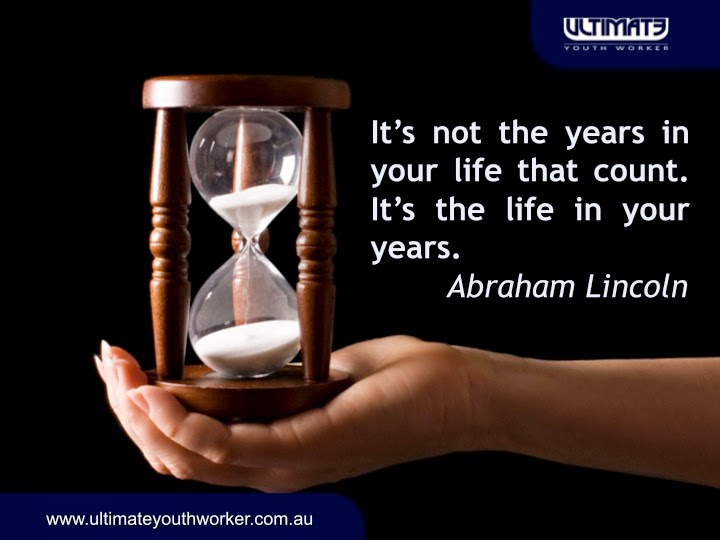
We need workers who have experience and longevity in the field. We need some older workers with a lot of life in their years to strengthen the sector. We need the wisdom of experience.
Aaron Garth is a Melbourne-based youth worker, social worker, and mental health practitioner with over two decades of experience supporting young people across Australia. As Chief Executive Officer of Ultimate Youth Worker, he leads a team dedicated to training, coaching, and developing professionals in the youth sector.
A graduate of RMIT University and current PhD candidate, Aaron has worked across some of the most challenging areas of youth services — from homelessness and mental health to drug and alcohol outreach and residential care. He is a sought-after speaker, educator, and advocate for a more professionalised youth workforce, and has taught at institutions including RMIT, Chisholm Institute, and Eastern College Australia.
Aaron's work is driven by a simple belief: when youth workers are better supported, young people get better outcomes.
I love TED talks! There is nothing quite as awesome as a snippet of bite sized informative goodness wrapped in a video. TED talks make us think very differently about the world we live in. They help us to dream and learn and hope for the future. One area in whichTED talks have enriched my work is in understanding brain development.
Sarah-Jayne Blakemore is Professor of Cognitive Neuroscience at the Institute of Cognitive Neuroscience, University College London. Her research covers the development of social cognition and decision-making during human adolescence. She is Co-Director of the Wellcome Trust PhD Programme in Neuroscience at UCL, Editor-in-Chief of the Developmental Cognitive Neuroscience journal and was a scientific consultant on the television documentary “The Human Mind” in 2003. She is a member of Royal Society BrainWaves working group for neuroscience and the Royal Society Vision Committee for Maths and Science Education.
In this Talk Prof. Blakemore brings us an animated look at the inner workings of the adolescent brain. Much of what we have thought about brain development over the past few decades is slowly being re-thought. With the advent of Functional Magnetic Resonance Imaging (FMRI) we are beginning to see the inner workings of the brain while the brain is working. We don’t have to wait for a person to die to cut into their brain to see whats inside.
We now know that the period of adolescence sees a significant growth in grey matter. A growth spurt to provide the space for the significant intellectual growth that occurs during these formative years. Particularly the growth in the prefrontal cortex, the brains reasoning centre, seems to increase during this stage. Anyway, enough from me. Over to Professor Blakemore for more interesting insights into adolescent brains.
For more on great youth work follow us on Facebook.
Aaron Garth is a Melbourne-based youth worker, social worker, and mental health practitioner with over two decades of experience supporting young people across Australia. As Chief Executive Officer of Ultimate Youth Worker, he leads a team dedicated to training, coaching, and developing professionals in the youth sector.
A graduate of RMIT University and current PhD candidate, Aaron has worked across some of the most challenging areas of youth services — from homelessness and mental health to drug and alcohol outreach and residential care. He is a sought-after speaker, educator, and advocate for a more professionalised youth workforce, and has taught at institutions including RMIT, Chisholm Institute, and Eastern College Australia.
Aaron's work is driven by a simple belief: when youth workers are better supported, young people get better outcomes.
The past decade has been a time of immense struggle throughout the world. Mass killings, war, famine, natural disasters, political upheaval and ideological struggles have been the norm for the world. In the midst of the chaos young people have stood together to find a different way. Whether it was the arab spring, the fighting in Crimea or the riots in London young people have seen the way the world is turning out and are questioning some long held truths about economy, education and existence.
Many see this questioning as rebellion and a lack of respect for long held traditions and laws or worse radicalisation. During the London riots Young people were called delinquents and trouble makers by educators, policy makers and bureaucrats for asking why education costs so much. Around the world young people are being killed for challenging governments who oppress. Young people are no longer believing the long held truths at face value. Lets be honest, why should they. Those long held truths are causing them to question their future options and lament the generations before.
It is in to this fray that youth work is at its most effective. Young people are seeking answers but they are still formulating questions. They know that things aren’t right but they are unsure of how to address the causes. They want to be heard and understood. Youth work as a profession has sought to guide, support and listen to the young people we serve for over one hundred years. Now more than ever young people need to be heard.
Youth workers hold a skill set that supports, listens and guides young people. It is this skill set that young people need and for our society to move forward it is this skill set which needs to be embraced.
Aaron Garth is a Melbourne-based youth worker, social worker, and mental health practitioner with over two decades of experience supporting young people across Australia. As Chief Executive Officer of Ultimate Youth Worker, he leads a team dedicated to training, coaching, and developing professionals in the youth sector.
A graduate of RMIT University and current PhD candidate, Aaron has worked across some of the most challenging areas of youth services — from homelessness and mental health to drug and alcohol outreach and residential care. He is a sought-after speaker, educator, and advocate for a more professionalised youth workforce, and has taught at institutions including RMIT, Chisholm Institute, and Eastern College Australia.
Aaron's work is driven by a simple belief: when youth workers are better supported, young people get better outcomes.
Perception. It is what causes many of the issues I see every day. It is also something that I have been thinking about a lot lately. Whether it is our perception of our clients, others perceptions of us or our perception of ourselves; how we think about the world informs our actions within it.
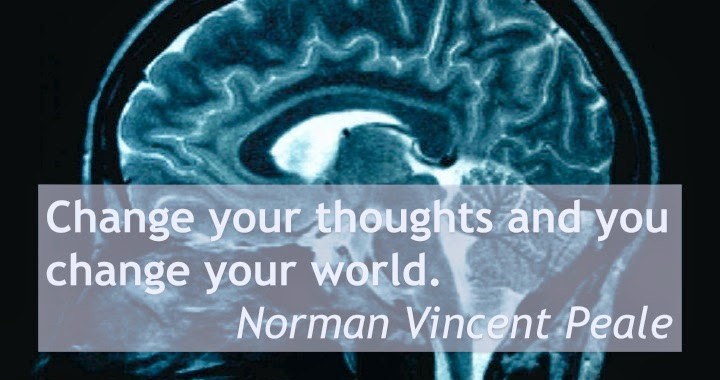
In the therapeutic world this is something that has taken hold through therapies such as CBT and REBT which ask us to change our way of thinking about issues and situations. The paradigm of positive psychology echoes this also. How we look at our situation denotes how we will stand up to the issues we are facing.
Our world is hurting. It seems like every time I turn on the news some new atrocity has happened. People are being killed, raped, cheated and broken by their fellow man. When working with our young people we hear the stories of brokenness that encompass their lives. It would be easy to se the world as beyond hope.
For us to show the hope that the world needs we must first change how we think about it. May of those who know me best believe that I am an eternal optimist. When it looks like its at its worst I see hope. When I hear of people turning against each other I look to peace. When I see people hurting I look to restoration. This does not mean that I am blind to the current situation, on the contrary I am acutely aware. It meant that I am looking to the future and to hope.
I was not always like this however. When I was a teen myself I was a glass is half empty kind of guy. The world was against me and no one could tell me differently. I always saw the worst in a situation and in others and I suffered for it. We ask our young people to change their way of thinking every day. Perhaps for us as a profession to go to the next level we must change our thoughts as well. If we do we can change the world.
Aaron Garth is a Melbourne-based youth worker, social worker, and mental health practitioner with over two decades of experience supporting young people across Australia. As Chief Executive Officer of Ultimate Youth Worker, he leads a team dedicated to training, coaching, and developing professionals in the youth sector.
A graduate of RMIT University and current PhD candidate, Aaron has worked across some of the most challenging areas of youth services — from homelessness and mental health to drug and alcohol outreach and residential care. He is a sought-after speaker, educator, and advocate for a more professionalised youth workforce, and has taught at institutions including RMIT, Chisholm Institute, and Eastern College Australia.
Aaron's work is driven by a simple belief: when youth workers are better supported, young people get better outcomes.
This week sees the launch of National Youth Week here in Australia. It is about this time every year that I spend some time reflecting on why I am a youth worker. Seeing young people reach their full potential, many against great odds always makes me excited to see youth work at its best.
When I was younger it was only the support and guidance of a couple of great youth workers that stopped my path towards Jail or death. I saw the worst and best of myself unfold due to their gentle ministering and was given a picture of what life could be like on the other side of my pain and strife. I saw that the life I was surrounded by was not necessarily the life that I had to live for the rest of my days.
It is this sense, that there is more to life than meets the eye, that I hope to impart upon the young people I work with. To help them see past the next five minutes of their existence to a future that glows and excites. This is why I am a youth worker. Why are you?
Aaron Garth is a Melbourne-based youth worker, social worker, and mental health practitioner with over two decades of experience supporting young people across Australia. As Chief Executive Officer of Ultimate Youth Worker, he leads a team dedicated to training, coaching, and developing professionals in the youth sector.
A graduate of RMIT University and current PhD candidate, Aaron has worked across some of the most challenging areas of youth services — from homelessness and mental health to drug and alcohol outreach and residential care. He is a sought-after speaker, educator, and advocate for a more professionalised youth workforce, and has taught at institutions including RMIT, Chisholm Institute, and Eastern College Australia.
Aaron's work is driven by a simple belief: when youth workers are better supported, young people get better outcomes.
In a funding coup which has not hit the youth sector like this before three national governments have combined to cut youth work funding programs across the board. In what has been seen by some in the sector as governments colluding in a neoliberal sting projects including education, homelessness and mental health are being hit In Australia, Canada and the United Kingdom by significant funding cuts.
In Australia the Abbott government today announced that all federal government funding for youth projects would end by June 2014. The hardest hit by this is the Australian Youth Affairs Council which has yet to receive any funding to continue as the national peak youth work body. Other programs which may be effected by this issue include Education, Employment and Training; Drug and Alcohol services, Mental Health service provision and camp programs.
In Canada the Harper Government is currently looking to scrap funding across the Child and Youth Work sector. First cuts are to university programs Including all major CYW programs and many Social work programs. They have also hinted to further cuts to social service education programs. Funding cuts to remote and rural youth services, fly-in fly-out services and out of school hours programs have all been reported to be on the cards.
In the United Kingdom extreme funding cuts to child protection by the Cameron government come on the back of decreased funding to youth centres and youth justice programs. Further cuts to outreach programs and youth homelessness projects have been tabled in parliament and are expected to take force by end of May.
The saving grace to youth work in the developed world funnily enough comes from the United states where a massive increase to funding of Out of School Hours care just passed congress. Also a new program of youth social entrepreneurial ventures is being rolled out across 17 states including New York and Ohio.
If any of these program areas or funding issues affect you contact your local youth funding agency and tell them that you read this article on April 1st. If you have read this far we would like to say with a full and happy heart ARPIL FOOLS!
Aaron Garth is a Melbourne-based youth worker, social worker, and mental health practitioner with over two decades of experience supporting young people across Australia. As Chief Executive Officer of Ultimate Youth Worker, he leads a team dedicated to training, coaching, and developing professionals in the youth sector.
A graduate of RMIT University and current PhD candidate, Aaron has worked across some of the most challenging areas of youth services — from homelessness and mental health to drug and alcohol outreach and residential care. He is a sought-after speaker, educator, and advocate for a more professionalised youth workforce, and has taught at institutions including RMIT, Chisholm Institute, and Eastern College Australia.
Aaron's work is driven by a simple belief: when youth workers are better supported, young people get better outcomes.