Developing a professional youth sector is harder than we first thought.

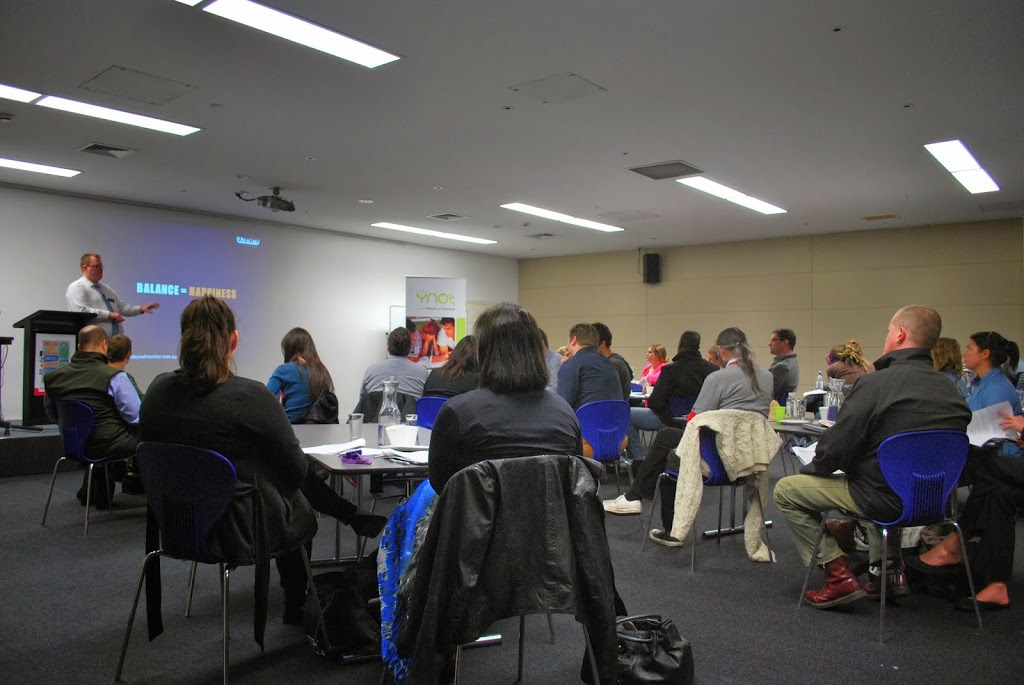
Today I was at the Annual General Meeting of the Youth Workers Association here in Victoria. It was a modest affair with about a dozen die hard youth workers attending of the over 400 members. The Association launched its objectives for the next three years and reading through it I pondered how the objectives would be met with only a dozen youth workers. 
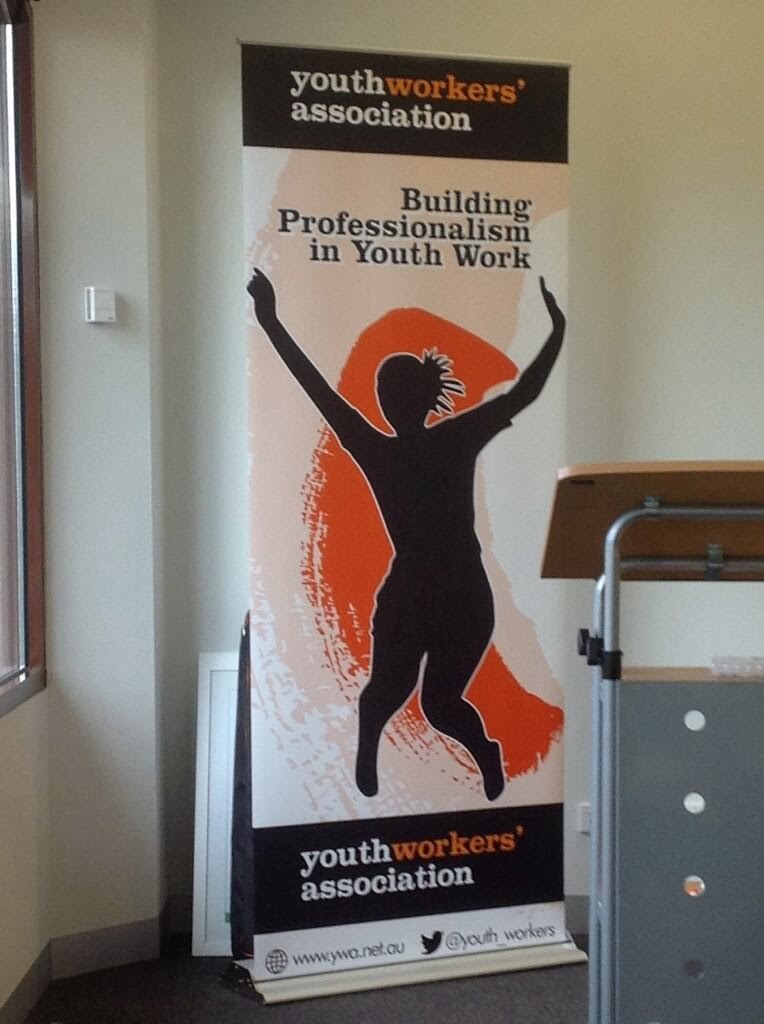

One thing holding the Association back was that those without a degree had limited voting rights, if any. This issue has been changed with a simple vote on changes to the constitution allowing those holding a two year diploma the ability to vote. We need to stop trying to keep people out and work out how we can bring the youth work family together.

For us to all work together will be difficult… but it is the only way we will be taken seriously. We have to stop our petty infighting and band together to change the sector for the better. Lets stop the fighting and stand together for the future we want to develop.
Aaron Garth

Aaron Garth

Aaron Garth is a Melbourne-based youth worker, social worker, and mental health practitioner with over two decades of experience supporting young people across Australia. As Executive Director of Ultimate Youth Worker, he leads a team dedicated to training, coaching, and developing professionals in the youth sector. A graduate of RMIT University and current PhD candidate, Aaron has worked across some of the most challenging areas of youth services — from homelessness and mental health to drug and alcohol outreach and residential care. He is a sought-after speaker, educator, and advocate for a more professionalised youth workforce, and has taught at institutions including RMIT, Chisholm Institute, and Eastern College Australia. Aaron's work is driven by a simple belief: when youth workers are better supported, young people get better outcomes.

More Posts - Website

Follow Me:Add me on FacebookAdd me on LinkedInAdd me on PinterestAdd me on YouTubeAdd me on Instagram

What is the best way to start as a youth worker?

I have been asked this question about a dozen times over the last six months by eager young potential youth workers looking to get a foot in the door to their future career. I have to say it is a hard one to answer. For me, I fell into it after a mate asked me to help out his Friday night youth group. So my own experience was of moving from volunteer to paid work and then study. However, many of these eager students are straight from school into youth work courses so what is my advice to them??? Work out what is going to work for you!
 
 
Here are a few ideas I have for these students and other would be youth workers:
  • Know who you are! The amount of students I speak to who do not have a good understanding of their own values and what makes them tick would blow your mind. One of the first things I ask when trying to help potential youth workers is why they want to be a youth worker… if you cant answer this question you may need to take a while to sort it out before continuing.
  • Volunteer work is a great way to build skills and experience. If you are young or have not worked in the sector before then volunteering with a reputable organisation can be a great way to get skills and training… and a job (or at least a good reference).
  • Get some qualifications. In this day and age qualifications are king. You need to have the piece of paper under your belt before many organisations will even look at you. Currently there is a push towards a minimum standard of a two year diploma in Australia, but more is better.
  • Build your networks. Join local council groups, local area networks and peak bodies. Anywhere there is a youth worker join their group. This gives you profile in the sector and opportunity to get information and information is key to good interviews.
  • Work out what area of youth work you most want to get into. Youth work is a wide and varied and it can give you an immense amount of joy… if you are in the right area. Work out what gets you going and then run for it with all your might.
Finally, when you have all of this completed just go to the organisation you are interested in working for and meet with the management. Give them a resume and talk about why you would like to work for them. They may through it in the bin, but they will remember you when you apply for an opening.


You can also leave us a comment below or post a comment on facebook and twitter.


If you haven’t yet, sign up for our newsletter to find out all the goings on at Ultimate Youth Worker.

Aaron Garth

Aaron Garth

Aaron Garth is a Melbourne-based youth worker, social worker, and mental health practitioner with over two decades of experience supporting young people across Australia. As Executive Director of Ultimate Youth Worker, he leads a team dedicated to training, coaching, and developing professionals in the youth sector. A graduate of RMIT University and current PhD candidate, Aaron has worked across some of the most challenging areas of youth services — from homelessness and mental health to drug and alcohol outreach and residential care. He is a sought-after speaker, educator, and advocate for a more professionalised youth workforce, and has taught at institutions including RMIT, Chisholm Institute, and Eastern College Australia. Aaron's work is driven by a simple belief: when youth workers are better supported, young people get better outcomes.

More Posts - Website

Follow Me:Add me on FacebookAdd me on LinkedInAdd me on PinterestAdd me on YouTubeAdd me on Instagram

Managers need support to do their job: youth work depends on it.

For youth workers to be the best they can be, they need well trained and supported management. We need to have managers who have skills in supervision, people management and an understanding of youth work. They need to have organisational support from CEO’s and Board members to develop their staff and themselves.

At a recent seminar in Tasmania I spoke with a number of managers and executives who agreed intrinsically that youth workers need better supervision and support. They believed that organisations had a responsibility ethically to provide a safe and supportive environment to staff. They all saw that the fear from staff and organisational leaders was destroying cohesive service delivery and support. Yet when it was put to the group that they needed to do something about it the room went silent.

Managers need the support of their staff and their organisations to implement great youth work practices. Get behind them.
Aaron Garth

Aaron Garth

Aaron Garth is a Melbourne-based youth worker, social worker, and mental health practitioner with over two decades of experience supporting young people across Australia. As Executive Director of Ultimate Youth Worker, he leads a team dedicated to training, coaching, and developing professionals in the youth sector. A graduate of RMIT University and current PhD candidate, Aaron has worked across some of the most challenging areas of youth services — from homelessness and mental health to drug and alcohol outreach and residential care. He is a sought-after speaker, educator, and advocate for a more professionalised youth workforce, and has taught at institutions including RMIT, Chisholm Institute, and Eastern College Australia. Aaron's work is driven by a simple belief: when youth workers are better supported, young people get better outcomes.

More Posts - Website

Follow Me:Add me on FacebookAdd me on LinkedInAdd me on PinterestAdd me on YouTubeAdd me on Instagram

Self care is a workplace health and safety issue

Self care is an OHS issueSelf care is an OHS issue

Over the past few months I have been reading as many articles as I could get my hands on looking at self care in the human services. One thing that keeps coming up in the literature is the issue of work stress leading to staff leaving the sector. Staff who at one stage loved their job and the sector who because of the vicarious trauma and minimal managerial support have burnt out. It is just not good enough for a sector that claims to care about people.
So why do we let this happen??? Some say it is the stigma of burning out that makes individuals fear asking for help. Others say that the organisations fear opening a Pandora’s Box of legal and ethical issues. One thing is for sure, as an issue, workplace stress does not get the time it needs at OH&S committee meetings. It is an area which can save organisations thousands of dollars if dealt with properly. Money saved in lost productivity, new hires and costly legal bills as well as higher insurance costs.
As a sector we need to surpass our fears and make self care the ethical issue it is. We need to have workplace stress as a standing item at team meetings, in supervision sessions and in organisational OH&S committees. We currently lose almost a quarter of our staff every year through turnover, if we continue to ignore this massive elephant in the room this number will only grow. In a sector that is struggling to recruit staff shouldn’t we be concerned about keeping those we already have.
What is one thing you can do to place workplace stress on the OH&S agenda?

You can also leave us a comment below or post a comment on facebook and twitter.

If you haven’t yet, sign up for our newsletter to find out all the goings on at Ultimate Youth Worker.

Aaron Garth

Aaron Garth

Aaron Garth is a Melbourne-based youth worker, social worker, and mental health practitioner with over two decades of experience supporting young people across Australia. As Executive Director of Ultimate Youth Worker, he leads a team dedicated to training, coaching, and developing professionals in the youth sector. A graduate of RMIT University and current PhD candidate, Aaron has worked across some of the most challenging areas of youth services — from homelessness and mental health to drug and alcohol outreach and residential care. He is a sought-after speaker, educator, and advocate for a more professionalised youth workforce, and has taught at institutions including RMIT, Chisholm Institute, and Eastern College Australia. Aaron's work is driven by a simple belief: when youth workers are better supported, young people get better outcomes.

More Posts - Website

Follow Me:Add me on FacebookAdd me on LinkedInAdd me on PinterestAdd me on YouTubeAdd me on Instagram

We need to develop the future potential of the youth work sector.

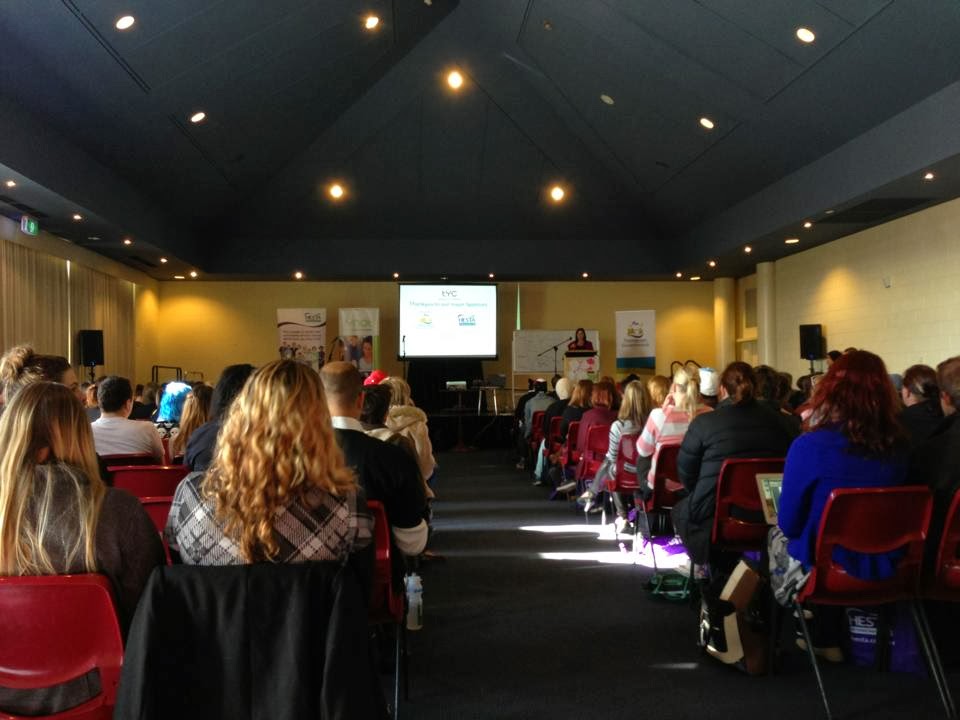
In a month I will be speaking at a conference in my nations capital city about the need for self care in our sector. This is the one thing I would do with the rest of my life if I was only able to do one thing. If I was able to do two things, then I would spend that time developing new talent. Mentoring, teaching, supervising and helping them develop networks. In the ACT there is going to be youth work awards, recognising the outstanding work of a few people within the sector. We should spend more time recognising the awesome young workers coming through the ranks.
 
 
How does your organisation develop and recognise the future potential in its youth workers? What are you doing to develop future talent?
 

You can also leave us a comment below or post a comment on facebook and twitter.


If you haven’t yet, sign up for our newsletter to find out all the goings on at Ultimate Youth Worker. (Sign up here)


Aaron Garth

Aaron Garth

Aaron Garth is a Melbourne-based youth worker, social worker, and mental health practitioner with over two decades of experience supporting young people across Australia. As Executive Director of Ultimate Youth Worker, he leads a team dedicated to training, coaching, and developing professionals in the youth sector. A graduate of RMIT University and current PhD candidate, Aaron has worked across some of the most challenging areas of youth services — from homelessness and mental health to drug and alcohol outreach and residential care. He is a sought-after speaker, educator, and advocate for a more professionalised youth workforce, and has taught at institutions including RMIT, Chisholm Institute, and Eastern College Australia. Aaron's work is driven by a simple belief: when youth workers are better supported, young people get better outcomes.

More Posts - Website

Follow Me:Add me on FacebookAdd me on LinkedInAdd me on PinterestAdd me on YouTubeAdd me on Instagram

99% attitude and 1% skill: youth work students need to realise!

I have recently been reviewing the student placements of a number of youth work students. I have been speaking with their supervisors and have come to the conclusion that there is one thing that all youth work students need to know before they go on placement… it doesn’t matter how much you know or don’t know it is almost all about your attitude.
 
Many of the supervisors stated that they did not care how much the students knew they just wanted willingness to learn and a positive attitude. The students who showed these qualities were given great marks and amazing opportunities. For those that didn’t have the right attitude they were shunned and treated with reservation.

When you have students come into your organisation for placement gently remind them that their attitude is important to their overall success in their placement and in the sector. Skills are the 1%ers which can be taught. Attitude is the thing that will get them through every time.
Aaron Garth

Aaron Garth

Aaron Garth is a Melbourne-based youth worker, social worker, and mental health practitioner with over two decades of experience supporting young people across Australia. As Executive Director of Ultimate Youth Worker, he leads a team dedicated to training, coaching, and developing professionals in the youth sector. A graduate of RMIT University and current PhD candidate, Aaron has worked across some of the most challenging areas of youth services — from homelessness and mental health to drug and alcohol outreach and residential care. He is a sought-after speaker, educator, and advocate for a more professionalised youth workforce, and has taught at institutions including RMIT, Chisholm Institute, and Eastern College Australia. Aaron's work is driven by a simple belief: when youth workers are better supported, young people get better outcomes.

More Posts - Website

Follow Me:Add me on FacebookAdd me on LinkedInAdd me on PinterestAdd me on YouTubeAdd me on Instagram

The youth sector must promote self care

Promoting self care

One of my best mates in youth work said to me today that  he had been speaking to a bunch of people about the work of Ultimate Youth Worker recently. He stated that he was surprised when almost all of them stated that they didn’t think there was an issue with self care within the sector. When my friend spoke of burnout rates and levels of psychological stress in our sector they could begin to see the issue.

If managers and organisations really understood the negative effects and the cost to the organisation then self care would be the first thing on their agenda rather than the last. If organisations saw the revolving door that spat out their staff you think they would try to stop it. We can no longer ignore the fact that our sector is allowing staff to become psychologically damaged just to meet KPI’s.

Throughout our research we have been shocked at how many individuals, managers, organisations and peak bodies who at best pay lip service and at worst see self care as for the weak. Over the past few months I have been privileged to speak with and train a number of Tasmanians in self care. The most fantastic thing about this is that in the Youth Ethics Framework for Tasmania they state categorically that self care is a ethical requirement.

Self care being promoted in TasmaniaWe need more groups like the Youth Network of Tasmania to stand up and shout that self care is a requirement for exceptional youth work.

What are you doing to set the self care agenda???

You can also leave us a comment below or post a comment on facebook and twitter.

If you haven’t yet, sign up for our newsletter to find out all the goings on at Ultimate Youth Worker. (Sign up here)

Aaron Garth

Aaron Garth

Aaron Garth is a Melbourne-based youth worker, social worker, and mental health practitioner with over two decades of experience supporting young people across Australia. As Executive Director of Ultimate Youth Worker, he leads a team dedicated to training, coaching, and developing professionals in the youth sector. A graduate of RMIT University and current PhD candidate, Aaron has worked across some of the most challenging areas of youth services — from homelessness and mental health to drug and alcohol outreach and residential care. He is a sought-after speaker, educator, and advocate for a more professionalised youth workforce, and has taught at institutions including RMIT, Chisholm Institute, and Eastern College Australia. Aaron's work is driven by a simple belief: when youth workers are better supported, young people get better outcomes.

More Posts - Website

Follow Me:Add me on FacebookAdd me on LinkedInAdd me on PinterestAdd me on YouTubeAdd me on Instagram

Ultimate Youth Worker on C2Y Podcast: Youth Work Online

A couple of weeks ago our Executive Director had the privilege of speaking with Wolfgang Vachon of C2Y Podcast. In this cast we spent much of our time talking about the need for youth work to enter the online realm as it is where many of our young people can be found. This truly international discussion (Wolfgang is from Toronto, Canada and we are based in Melbourne, Australia) is a prime example of the opportunities the internet has for doing youth work and providing training opportunities to the youth sector.
Have a listen to the C2Y Podcast and share it with your friends in the sector.
Aaron Garth

Aaron Garth

Aaron Garth is a Melbourne-based youth worker, social worker, and mental health practitioner with over two decades of experience supporting young people across Australia. As Executive Director of Ultimate Youth Worker, he leads a team dedicated to training, coaching, and developing professionals in the youth sector. A graduate of RMIT University and current PhD candidate, Aaron has worked across some of the most challenging areas of youth services — from homelessness and mental health to drug and alcohol outreach and residential care. He is a sought-after speaker, educator, and advocate for a more professionalised youth workforce, and has taught at institutions including RMIT, Chisholm Institute, and Eastern College Australia. Aaron's work is driven by a simple belief: when youth workers are better supported, young people get better outcomes.

More Posts - Website

Follow Me:Add me on FacebookAdd me on LinkedInAdd me on PinterestAdd me on YouTubeAdd me on Instagram

Good self care in youth work

Self care is an ethical requirement

I have heard, over the past year or so, more excuses as to why youth workers can’t commit to self care than I care to recall. These excuses ranged from a lack of time and money to not knowing where to start and lack of support from management. Many of these excuses are baseless and push focus away from the workers who should have been more involved in their own care. However there are a number which have a base in dodgy policy and even worse practice.
First amongst my pet peeves is the youth worker who believes that they can trod through their work without supervision, professional development and support and still provide exceptional support to their clients. YOU CAN’T! It is one thing that it is not given to you as a youth worker, it is completely incompetent to not actively seek it out in your own time on your own dime. It is an ethical requirement that youth workers perform at their best, Which means youth workers need to have training and support to deal with the load that we carry. It is an ethical requirement for ultimate youth workers.
Self care is an ethical requirement
The second and even more repulsive is when managers put ticking boxes above the health and wellbeing of their staff. Over the years I have worked in a number of different organisations and have seen great managers and woeful ones. The ones who put the funding agreements above their staff have revolving doors which spit those staff out when they are all used up. They rarely send staff to professional development that is worth going to and don’t know how to supervise their staff apart from the administrative graces of checking their case load is up to scratch. These managers vehemently defend the ethical need to reach targets and quash those who speak of self care being just as ethically required.
Good self care is an ethical requirement not something that can be forgotten. Exceptional youth workers need great support and training. There is no excuse for lacking self care.

 Leave us a comment below or post a comment on facebook and twitter.

 If you haven’t yet, sign up for our newsletter to find out all the goings on at Ultimate Youth Worker. (Sign up here)

Aaron Garth

Aaron Garth

Aaron Garth is a Melbourne-based youth worker, social worker, and mental health practitioner with over two decades of experience supporting young people across Australia. As Executive Director of Ultimate Youth Worker, he leads a team dedicated to training, coaching, and developing professionals in the youth sector. A graduate of RMIT University and current PhD candidate, Aaron has worked across some of the most challenging areas of youth services — from homelessness and mental health to drug and alcohol outreach and residential care. He is a sought-after speaker, educator, and advocate for a more professionalised youth workforce, and has taught at institutions including RMIT, Chisholm Institute, and Eastern College Australia. Aaron's work is driven by a simple belief: when youth workers are better supported, young people get better outcomes.

More Posts - Website

Follow Me:Add me on FacebookAdd me on LinkedInAdd me on PinterestAdd me on YouTubeAdd me on Instagram

Developing leaders in youth work: Its crucial to mentor.

Many years ago after finishing my degree I asked one of my professors for some guidence with an piece of work I was doing. Without hesitation she said that she would be delighted as we need to develop more leaders in the youth sector. This short statement has meant a lot to me over the years but I never fully understood its importance until this year.
As a teacher of youth work students I can see the passion and future potential colliding every day I teach. The students of today will be the managers in a decade. The work we do now will pay dividends in a generation. Sadly though, it seems that there is little happening post the education of youth workers.
We who have been in the sector for a while need to mentor those coming through. Whether you are a coalface worker, a Manager or a CEO you need to support the next generation coming through. If we truly want to see audacious youth workers in an excellent sector then we need to impart our practice wisdom to those who are going to be the leaders of the future. Every organisation which employs youth workers should mentor them. Every professional association should develop a register of potential mentors. Most of all it should become part of our core responsibilities to the sector.
If one youth worker supports one other youth worker per year through their career then we will see a revolution. Imagine mentoring 30-50 other youth workers who in turn support another 30-50. We would have a highly supported and trained workforce for generations.


Our challenge to you:


If you have five years or more in the sector, find one person you could potentially mentor for the next 12 months.


Let us know how you go! Leave us a comment below or post a comment on facebook and twitter.

If you haven’t yet, sign up for our newsletter to find out all the goings on at Ultimate Youth Worker. (Sign up here)

Aaron Garth

Aaron Garth

Aaron Garth is a Melbourne-based youth worker, social worker, and mental health practitioner with over two decades of experience supporting young people across Australia. As Executive Director of Ultimate Youth Worker, he leads a team dedicated to training, coaching, and developing professionals in the youth sector. A graduate of RMIT University and current PhD candidate, Aaron has worked across some of the most challenging areas of youth services — from homelessness and mental health to drug and alcohol outreach and residential care. He is a sought-after speaker, educator, and advocate for a more professionalised youth workforce, and has taught at institutions including RMIT, Chisholm Institute, and Eastern College Australia. Aaron's work is driven by a simple belief: when youth workers are better supported, young people get better outcomes.

More Posts - Website

Follow Me:Add me on FacebookAdd me on LinkedInAdd me on PinterestAdd me on YouTubeAdd me on Instagram