What Every Youth Worker Must Know About Duty of Care (2026 Guide)
If you work with young people, child safety is not just part of your job, it is your responsibility. You need to understand mandatory reporting in youth work.Every interaction you have carries the potential to either strengthen a young person’s sense of safety or leave risk unaddressed. In youth work, this responsibility is amplified by the relationships you build. Young people often disclose harm to the people they trust most—and more often than not, that person is a youth worker.
Across Australia, child safety and mandatory reporting frameworks exist to protect young people from abuse, neglect, and harm. These frameworks are supported by legislation, Child Safe Standards, and professional codes of ethics that make one thing clear: when a young person is at risk, action must be taken. However, understanding these responsibilities is not always straightforward. Many youth workers feel uncertain about what triggers a report, what “reasonable grounds” actually means, and how to respond when a young person discloses abuse.
This is where clarity matters. Knowing your role within the child protection system—what you are responsible for, what you are not, and when you must act—is critical to safe and effective practice. Mandatory reporting is one part of this system, but it sits within a broader duty of care that applies to all youth workers, regardless of their role or setting.
This guide will walk you through the essentials of child safety and mandatory reporting in youth work. It will clarify your responsibilities, break down key concepts, and provide practical guidance on how to respond when concerns arise. Because in youth work, the question is not whether you will encounter risk—it is whether you will be prepared to respond when you do.

Why Child Safety Is the Core of Youth Work
Child safety is not a policy document sitting on a shelf… it is the foundation of ethical youth work practice. Youth workers often build the strongest, most trusted relationships in a young person’s life, particularly for those experiencing vulnerability, trauma, or instability.
Young people rarely disclose abuse in formal settings. Instead, they tell the person they trust. In many cases, that person is a youth worker.
This means:
- You may be the first person to hear about abuse
- You may be the only person who knows something is wrong
- You may be the deciding factor in whether a young person is protected
When child safety is understood in this way, it becomes clear that your response is not optional, it is critical.
What Is Child Safety in Practice?
Child safety refers to the proactive measures taken to ensure that children and young people are protected from harm, abuse, neglect, and exploitation. In Australia, this is reinforced through national principles and state-based Child Safe Standards, which require organisations and workers to prioritise safety in all aspects of service delivery.
In practice, child safety means:
- Recognising signs of harm early
- Responding appropriately to concerns
- Reporting suspected abuse
- Creating environments where young people feel safe to speak
- Embedding safety into everyday practice
Child safety is not reactive—it is preventative, proactive, and embedded in everything you do.

Understanding Mandatory Reporting in Youth Work
Mandatory reporting is one of the most important legal mechanisms designed to protect children from harm. Mandatory reporting in youth work requires certain professionals to report suspected abuse to government authorities when they form a reasonable belief that a child is at risk. According to the Australian Institute of Family Studies, mandatory reporting laws exist across all Australian states and territories, although the specific requirements vary. This legal framework ensures that concerns about child safety are escalated to those with the authority to investigate and intervene, reinforcing the role of youth workers within a broader child protection system.
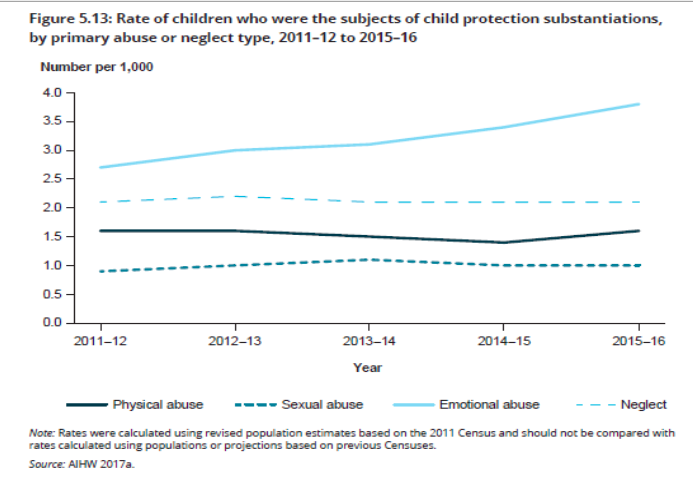
Mandatory reporting laws consistently focus on serious forms of harm, particularly physical and sexual abuse, while some jurisdictions also include neglect, emotional abuse, and exposure to family violence. Evidence from national child protection frameworks highlights that these categories represent the most significant risks to a child’s safety and wellbeing. This means youth workers must be familiar with the types of harm that meet reporting thresholds and understand how these may present in practice. Recognising these categories strengthens a worker’s ability to identify risk early and take appropriate action to protect the young person.
A key feature of mandatory reporting is that it is triggered by “reasonable grounds” rather than certainty. This means that workers are not required to prove abuse, gather evidence, or conduct their own investigations before making a report. Instead, reasonable grounds are established through observations, disclosures, or patterns of concerning behaviour. This lower threshold is intentional, as it prioritises early intervention and reduces the risk of harm being overlooked due to uncertainty. As a result, youth workers must feel confident acting on concern rather than waiting for confirmation.
Importantly, mandatory reporting sits within, but does not replace, a youth worker’s broader duty of care. While only some roles are legally mandated to report, all youth workers have an ethical and professional responsibility to act when a young person is at risk. Sector guidance consistently emphasises that failing to act because one is not legally mandated represents a misunderstanding of professional responsibility. Duty of care ensures that every youth worker remains accountable for the safety of young people, regardless of their formal reporting status.
What Is “Reasonable Grounds” for Reporting?
The concept of “reasonable grounds” is central to effective mandatory reporting and is often misunderstood by youth workers. Mandatory reporting laws across Australia make it clear that a report should be made when a worker forms a reasonable “belief” or “suspicion” that a child is at risk of harm, not when abuse has been proven. This belief can be formed through a disclosure, direct observation, or patterns of concerning behaviour over time. The purpose of this threshold is to ensure that uncertainty does not delay action, meaning youth workers must feel confident acting on concern rather than waiting for confirmation.
A common misconception is that youth workers need evidence before making a report, which can create dangerous delays. Guidance from child protection frameworks explicitly states that workers are not responsible for investigating or verifying claims before reporting. Attempting to gather evidence can compromise formal investigations and place additional pressure on the young person. Understanding this boundary allows youth workers to focus on their role, which is to recognise risk and escalate it appropriately, rather than trying to resolve it themselves.
Recognising Signs of Abuse and Harm
Recognising abuse is a critical skill in maintaining child safety, as harm is not always immediately visible. National child protection frameworks identify physical abuse, sexual abuse, emotional or psychological harm, neglect, and exposure to family violence as key categories of concern. These forms of abuse can present through a combination of physical indicators, behavioural changes, and emotional responses. Developing awareness of these signs allows youth workers to identify risk early and respond before harm escalates.
It is important to understand that abuse is often identified through patterns rather than isolated incidents. Research and practice evidence show that subtle shifts in behaviour—such as withdrawal, aggression, or sudden changes in mood—can indicate underlying harm. Focusing only on obvious signs may result in missed opportunities to intervene. By paying attention to patterns over time, youth workers strengthen their ability to make informed decisions and act in the best interests of the young person.

Responding to a Disclosure: What You Must Do
A young person’s disclosure of abuse is a critical moment that requires a calm and professional response. Best practice guidelines emphasise that youth workers should listen without interruption, believe the young person, and acknowledge their courage in speaking up. This approach helps create a sense of safety and trust, which is essential for the young person’s ongoing engagement with support services. A well-managed response can significantly influence whether the young person feels supported and protected.
It is equally important to avoid responses that may cause harm or compromise the situation. Asking leading questions, investigating details, or promising confidentiality can negatively impact both the young person and any subsequent investigation. These actions may unintentionally retraumatise the young person or interfere with formal processes. By maintaining a clear and structured response, youth workers ensure that their actions align with both ethical standards and legal requirements.
Why You Must Never Investigate Abuse
Maintaining professional boundaries is essential when responding to suspected abuse. Child protection systems clearly assign the responsibility of investigation to authorised bodies such as child protection services and police. These agencies have the training, authority, and resources required to assess evidence and manage complex cases. This ensures that investigations are conducted safely and effectively.
When youth workers attempt to investigate, they risk causing unintended harm. This can include contaminating evidence, increasing the young person’s distress, or delaying appropriate intervention. Overstepping this boundary can also place the worker and organisation at risk of breaching legal and ethical standards. Understanding this distinction reinforces the youth worker’s role as a reporter and supporter, rather than an investigator.
Confidentiality and Child Safety
Confidentiality is a foundational principle in youth work, but it must always be considered alongside the responsibility to protect young people. Legal frameworks across Australia clearly state that confidentiality can be overridden when a child is at risk of harm. Reports made in good faith are protected under the law, ensuring that workers can act without fear of legal repercussions. This reinforces the priority of safety over privacy in situations involving risk.
Many youth workers experience hesitation due to concerns about breaking trust. However, maintaining confidentiality in situations of harm can result in greater risk to the young person. Ethical practice requires transparency about the limits of confidentiality, particularly when safety is involved. By reframing reporting as an act of protection rather than betrayal, youth workers can align their actions with both ethical and legal expectations.
The Consequences of Not Reporting
Failing to report suspected abuse can have significant and lasting consequences. Evidence from child protection inquiries consistently shows that missed opportunities to act can lead to prolonged harm and increased trauma for young people. Early intervention is critical in preventing escalation and ensuring that appropriate support is provided. When concerns are not reported, the risk to the young person remains unaddressed.
There are also serious implications for workers and organisations. Failing to meet duty of care obligations can result in professional misconduct, reputational damage, and potential legal consequences. In a post-Royal Commission environment, expectations around child safety are higher than ever. This reinforces the importance of timely and appropriate action as a core component of professional practice.
Organisational Responsibility for Child Safety
Child safety is not solely an individual responsibility—it is embedded within organisational systems and culture. Child Safe Standards across Australia require organisations to implement clear policies, training, and reporting procedures that support safe practice. These frameworks ensure that workers are guided by consistent processes and supported in decision-making. A strong organisational approach reduces ambiguity and strengthens overall safeguarding.
Organisations that prioritise child safety create environments where concerns are taken seriously and acted upon promptly. This includes providing supervision, ongoing training, and leadership that reinforces accountability. When systems are clear and supportive, youth workers are more likely to act confidently and appropriately. This highlights the importance of organisational responsibility in enabling effective child protection.
The Role of Supervision in Mandatory Reporting
Supervision plays a vital role in supporting youth workers to navigate the complexities of mandatory reporting in youth work. Reflective supervision models emphasise the importance of discussing concerns, clarifying decision-making, and managing emotional responses. This is particularly important in high-risk situations where workers may feel uncertain or overwhelmed. Supervision provides a structured space to process these challenges and ensure appropriate action is taken.
Effective supervision also reinforces accountability and alignment with best practice. By regularly engaging in supervision, youth workers can build confidence in their judgement and strengthen their understanding of reporting requirements. This ongoing support ensures that child safety remains a consistent priority in practice. As a result, supervision becomes a key mechanism for maintaining both professional standards and worker wellbeing.

Final Thoughts: Child Safety Is a Responsibility You Act On
Child safety and mandatory reporting are not abstract concepts—they are lived responsibilities that sit at the centre of youth work practice. Across Australia, legal frameworks, professional standards, and sector expectations consistently reinforce that protecting young people from harm is a core obligation of anyone working in this space. This means recognising risk, responding appropriately, and reporting concerns are not optional tasks—they are essential actions that define safe and ethical practice.
Mandatory reporting provides a clear legal pathway for escalating serious concerns, ensuring that trained authorities can investigate and intervene where necessary. However, it is a youth worker’s broader duty of care that drives action in all situations, including those that may fall outside strict legal thresholds. This reinforces a critical principle: child safety is not limited to legislation—it is embedded in professional judgement, ethical responsibility, and everyday decision-making.
Throughout this guide, one message remains consistent: you do not need certainty to act, but you do need to act when something is not right. Waiting for proof, avoiding difficult conversations, or relying on others to take responsibility can leave young people exposed to ongoing harm. In contrast, timely and appropriate action creates opportunities for protection, support, and intervention.
For youth workers, this is the standard of practice. It is about being vigilant, informed, and confident in your role within the safeguarding system. It is about understanding that your response—particularly in moments of disclosure or concern—can have a lasting impact on a young person’s safety and wellbeing.
Ultimately, child safety is not just about what you know. It is about what you do.
Because when a young person trusts you with their story, your responsibility is clear:
You recognise. You respond. You report.

Aaron Garth
Aaron Garth is a Melbourne-based youth worker, social worker, and mental health practitioner with over two decades of experience supporting young people across Australia. As Chief Executive Officer of Ultimate Youth Worker, he leads a team dedicated to training, coaching, and developing professionals in the youth sector. A graduate of RMIT University and current PhD candidate, Aaron has worked across some of the most challenging areas of youth services — from homelessness and mental health to drug and alcohol outreach and residential care. He is a sought-after speaker, educator, and advocate for a more professionalised youth workforce, and has taught at institutions including RMIT, Chisholm Institute, and Eastern College Australia. Aaron's work is driven by a simple belief: when youth workers are better supported, young people get better outcomes.