Our Commitment to Child Safety
At Ultimate Youth Worker our commitment to child safety means we recognise, respect and promote children and young people’s rights.
We recognise our responsibilities in keeping children and young peoplesafe from abuse from those associated with this organisation and will ensure that the safety of children is always our first priority.
We take a zero tolerance approach to child abuse. We value diversity and will not tolerate discriminatory practices.
We recognise that particular groups of children and young people are increasingly vulnerable in our society and all our staff pay particular attention to the needs of :
- Aboriginal children
- Culturally and Linguistically Diverse children
- Children with a disability
- Children who identify as lesbian, gay, bisexual, trans, intersex and/or queer
- Children in Youth Justice and Out of Home Care
The participation and empowerment of children and young peopleis fundamental to our work.
As Ultimate Youth Worker strives to be a child safe organisation we will:
- Foster an environment in which the voice of children and young people are listened to, their views valued and their concerns acted upon
- Actively encourage children and young people to have a say about things that are important to them
- Proactively assess and manage the risk of abuse to children who come into contact with Ultimate Youth Worker
- Welcome concerns being raised about the safety of children and young people with whom we have contact
- Listen to and act decisively on any child safety concerns or allegations of abuse that are made
- Have specific policies, procedures and supports in place to enable us to meet these obligations
What Are the Child Safe Standards?
In Victoria, the Child Safe Standards exist to protect children and young people from abuse in organisational settings. This includes physical violence, sexual abuse, serious emotional or psychological harm, and neglect. These standards are not simply regulatory requirements, they are a framework designed to ensure that organisations take active, ongoing responsibility for the safety and wellbeing of children.
At their core, the Child Safe Standards recognise a critical truth. Most harm does not occur because organisations intend for it to happen. It occurs when systems are unclear, cultures are inconsistent, and risks are not properly understood or managed. The standards exist to address this gap by moving organisations beyond intention and into accountable, structured practice.
Why the Child Safe Standards Exist
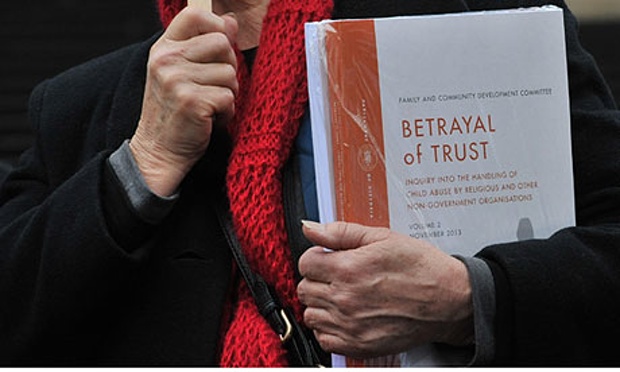
The Child Safe Standards were introduced by the Victorian Government in response to the 2013 Parliamentary Betrayal of Trust Inquiry. This inquiry examined how institutions had responded to allegations of child abuse and found that while many organisations were committed to doing the right thing, there were widespread failures in how child safety was understood, prioritised, and implemented.
The findings were clear. Across Victoria, organisations had inconsistent approaches to child safety. Some had strong policies but poor implementation. Others relied heavily on individual staff judgement rather than structured systems. In many cases, children’s voices were not heard or acted upon.
The result was not always immediate harm, but it created environments where abuse could occur undetected, unreported, or unaddressed.
The Child Safe Standards were designed to change this.
They shift the focus from reactive responses to proactive prevention. They require organisations to embed child safety into leadership, governance, culture, and everyday practice. Most importantly, they place the responsibility for safety firmly on the organisation, not on the child.
Who Needs to Comply
The Child Safe Standards apply to all organisations in Victoria that provide services or facilities for children under the age of 18. This includes organisations that work directly with children, as well as those that may have indirect contact through programs, environments, or community engagement.
From 1 January 2016, organisations working directly with children and young people were required to comply with the standards. From 1 January 2017, the requirements expanded to include organisations that provide services or facilities for children but may not receive government funding, such as sporting clubs, recreational providers, and entertainment organisations.
The expectation is clear. If your organisation has any contact with children or young people, you are responsible for creating a child safe environment.
From Seven to Eleven Standards
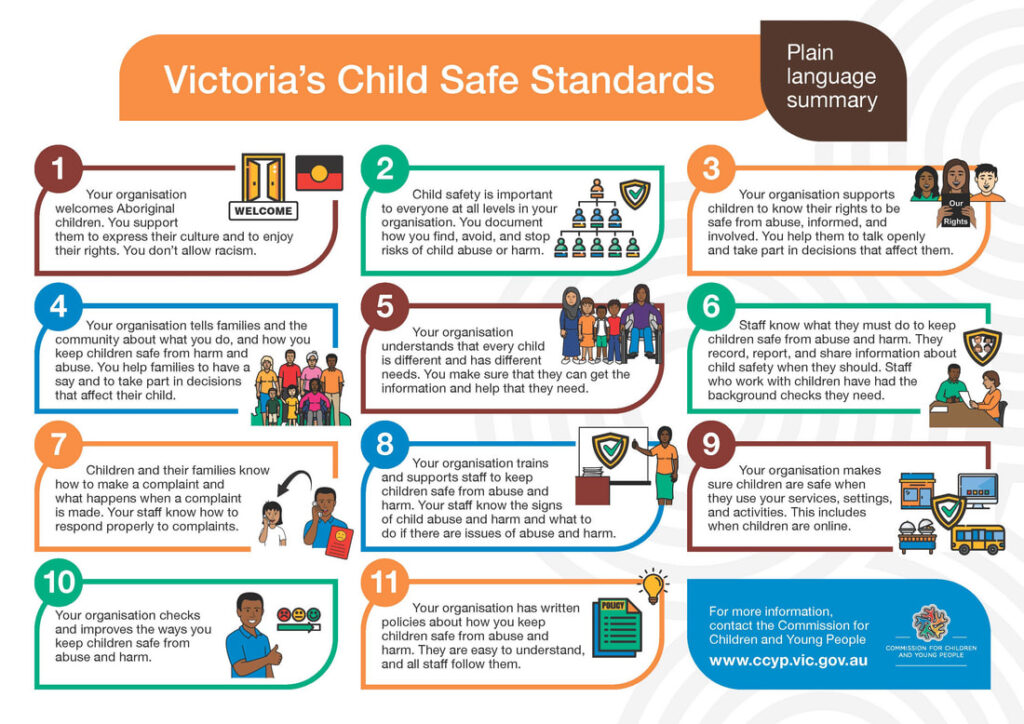
The original framework included seven Child Safe Standards. These have since been expanded to eleven standards to strengthen protections and align more closely with the National Principles for Child Safe Organisations.
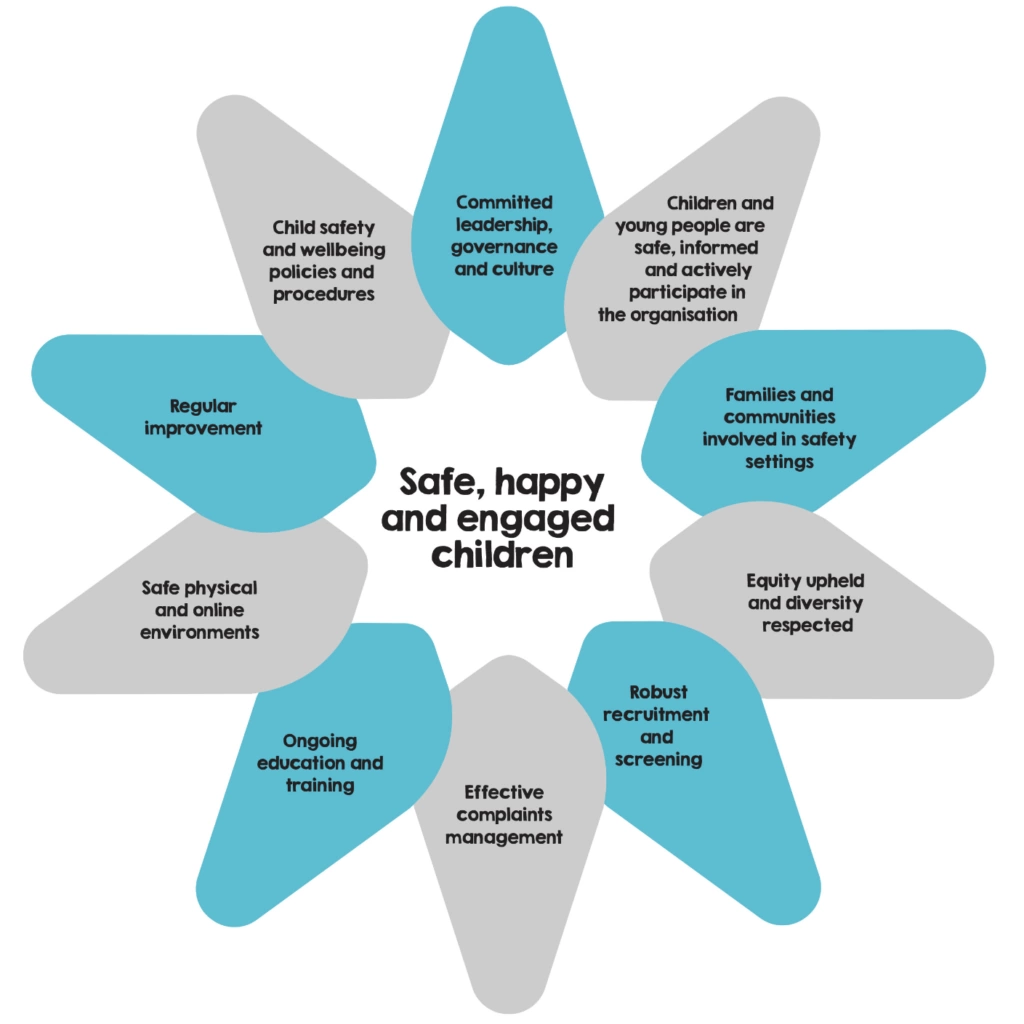
The eleven standards in Victoria provide a comprehensive framework that addresses:
- Leadership, governance, and culture
- Child empowerment and participation
- Family and community involvement
- Equity and inclusion
- Recruitment and workforce practices
- Complaint handling and reporting systems
- Ongoing education and training
- Risk management
- Physical and online environments
- Implementation and continuous improvement
- Documentation and record keeping
Together, these standards create a system that supports both prevention and response. They ensure that organisations are not only prepared to act when concerns arise, but are actively working to reduce the likelihood of harm occurring in the first place.
More Than Compliance
One of the most common misconceptions about the Child Safe Standards is that they are about compliance alone. In reality, compliance is only the starting point.
An organisation can meet minimum requirements on paper while still being exposed in practice.
True child safety requires more than policies and procedures. It requires:
- Leaders who prioritise safety in decision-making
- Staff who understand their responsibilities and feel confident to act
- Systems that are clear, accessible, and consistently applied
- A culture where concerns are raised early and responded to effectively
- Environments that actively reduce risk
The Child Safe Standards are designed to drive cultural change. They aim to embed child safety into the way organisations think, operate, and make decisions every day.
Supporting Vulnerable Children and Young People
We recognise that some children and young people require additional consideration and protection.
This includes:
- Aboriginal and Torres Strait Islander children
- Children from culturally and linguistically diverse backgrounds
- Children with disability
- Children who identify as LGBTQIA+
- Children involved in Youth Justice or Out of Home Care
For these groups, risk is often compounded by barriers to access, communication challenges, systemic discrimination, or previous experiences of harm.
Our staff are trained to recognise these factors and respond in ways that are inclusive, respectful, and responsive to individual needs. Child safety is not one-size-fits-all. It must be tailored to the realities of each young person.
The Role of Participation and Voice
The participation and empowerment of children and young people is central to effective child safety practice.
Children are not passive recipients of care. They are active participants in their own safety.
At Ultimate Youth Worker, we create environments where children and young people:
- Feel safe to speak up
- Are listened to without judgement
- Have their views taken seriously
- Are involved in decisions that affect them
When children are heard, risks are identified earlier. When they are respected, trust increases. When they are empowered, safety becomes stronger.
How We Put our Commitment to Child Safety Into Practice
Our commitment to child safety is not theoretical. It is embedded in how we operate every day.
We actively:
- Foster environments where children and young people are listened to, respected, and supported
- Encourage young people to have a voice in matters that affect them
- Proactively assess and manage risks across all areas of our work
- Create clear and accessible pathways for raising concerns
- Respond quickly and effectively to any allegations or disclosures
- Continuously review and improve our systems and practices
We understand that strong systems create safe environments. But systems alone are not enough. It is the consistent application of these systems that makes the difference.
A Continuous Commitment to Child Safety
Child safety is not something that is achieved once and then completed. It is an ongoing process of learning, reflection, and improvement.
The standards provide a framework, but it is the responsibility of each organisation to bring that framework to life.
At Ultimate Youth Worker, we are committed to doing exactly that. We continue to invest in training, supervision, and system development to ensure that our practice reflects the highest standards of child safety.
Because at the end of the day, child safety is not about compliance.
It is about responsibility.
It is about leadership.
And it is about creating environments where every young person is safe, respected, and supported to thrive.