Today I was speaking with some youth worker’s about the state of our profession in Australia and what is holding us back. One of the reasons which was put forward was that some people in the field struggle to implement solid boundaries. As we spoke about our respective youth work studies it became apparent that one area that was severely lacking was ethical boundary setting.
Throughout my career I have seen youth worker’s struggle along the spectrum of boundary setting from the laissez faire to the severely strict. Each part along the spectrum has its positives and its negatives so lets have a look:
laissez faire
The laissez faireyouth worker is everyones friend. They know everything about their young people and wear their heart on their sleeve. These youth worker’s will often work overtime, rarely refer on to other agencies and struggle with the idea of confidentiality. The laissez faire youth worker has unprecedented access to the young people and is seen as the cool worker, or the one who understands them the best. Initially these youth worker’s are praised for going above and beyond but eventually they are seen as just being to close to the young people.
The severely strict
This youth worker is seen as cold and calculating and has fixed unwavering boundaries. The young people they work with have given up so much information while the youth worker has deflected any questions of a personal nature. The youth worker uses “boundaries” as an excuse to not be personable. This type of worker is seen by the young people as the cranky mother type or the angry old man. The youth worker expects conformation to their rules… all of which are aimed at regulating the behaviour of young people. The severely strict youth worker will admonish you when you ask about their family or where they live. Their colleagues see them as distant and to involved in the work rather than the relationships.
The Balanced Youth Worker
The balanced youth worker has boundaries which are set but flexible for individual situations. These workers are clear about what they are not willing to do with a young person and flexible with how much they are willing to do within the remaining purview. These youth workers are seen by their colleagues as providers of individual services to individual young people. With some young people their boundaries are solid and with others they are somewhat looser. These youth workers are able to articulate why they are setting the boundaries where they are and what outcome they expect from setting them there. The balanced youth worker gives of themselves to build relationship but does not share it all. They are not guarded but are wary of not placing their burdens on the young people they work with.
These are just three of the possible points on the spectrum and are not an exhaustive list however it gives you a framework for judging where your practice lies.
What other characteristics can you think of???
Leave us a comment below or post a comment on facebook and twitter.
Aaron Garth is a Melbourne-based youth worker, social worker, and mental health practitioner with over two decades of experience supporting young people across Australia. As Chief Executive Officer of Ultimate Youth Worker, he leads a team dedicated to training, coaching, and developing professionals in the youth sector.
A graduate of RMIT University and current PhD candidate, Aaron has worked across some of the most challenging areas of youth services — from homelessness and mental health to drug and alcohol outreach and residential care. He is a sought-after speaker, educator, and advocate for a more professionalised youth workforce, and has taught at institutions including RMIT, Chisholm Institute, and Eastern College Australia.
Aaron's work is driven by a simple belief: when youth workers are better supported, young people get better outcomes.
Welcome to our first ever Thursday Think Tank. Here we will discuss tips, tools, frameworks and systems that will help you deliver the best services to your young people that you possibly can.
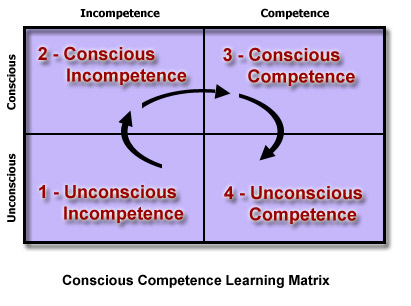
Over the years I have managed many projects as a youth worker. You may consider the idea of project management to be foreign to the idea of youth work but it is something that we do every day. The issue is for the most part we are Unconsciously Incompetent… We don’t know what we cant do. What we want to see is Ultimate Youth Worker’s who are Unconsciously Competent… We know what we are doing so intrinsically that we don’t realise we are doing it, Just like breathing. If you run a group, lead a team or have an event to run this framework will help you reach your goals.
I have friends in many different sectors of employment. One area that has always astounded me is project management. I have one friend who is a project manager for a large construction firm. He holds a diploma level qualification (2 years at a tertiary institute) and is 30 years old. he has been in the role for 2 years and in the last tax year he grossed over $100,000 dollars. We caught up last week and spoke about his role. In our discussions we spoke about his way of managing projects, theories of project management and issues both positive and negative that impact of project completion. You know what 99% of what he spoke about was a complete waste of time. It blew my mind to know that my friend who earns double what I do actually could not explain how he keeps a project on track.
I shared with him how we at Ultimate Youth Worker recommend and teach people to manage projects. Its boring, simple, unsexy and it works like a charm. We won’t go into it all here but rest assured over the coming years we will cover it all. All our advice however is built on the foundation of our first rule of managing a project:
WHO is responsible for WHAT and by WHEN
Pretty simple right!!! WRONG. Whether it is running a team meeting, developing a strategic plan, running a youth group or putting on a gig for local high school students this foundation can keep you on track, but only if you use it. Too many people do not have a framework for developing their project and get into trouble because they do not know what is going on. Over the years I have seen projects like a conference or a concert fail because it went over budget or people were not invited. I have seen teams flail through years of mismanagement begging for direction. I have seen organisations crash because people were not held accountable for their decisions and to their responsibilities. Our project mantra helps the project leader to steer the group to success.
Here is a simple table that you can use to make any project work.
This is a simple team meeting proforma.
WHO
WHAT
WHEN
Aaron spoke with FINANCE this week and has been informed that we need to reconcile our accounts.
All Staff
Reconcile accounts
By close of business Thursday
Nick discussed a meeting he attended with local service providers. The meeting provided many opportunities to network and develop partnerships
Nick and Team leader
Team leader
Network with local youth agencies
Inform manager of opportunities for partnerships
Throughout April
In weekly one on one meeting this week
Sarah is developing a local gig for young people in our area. She is putting together a committee of young people to help. The gig will be at the end of November.
Sarah
All staff
Engage young people for committee
Promote committee to our clients
By end of October
By end of October
Now this is just a basic template and you can most definitely expand upon it. I have used these in many different formats including team meetings, group design, organisational restructure and even planning blog posts. However, if you use the basics you will be well on your way to delivering your objective in a timely strategic way. The best part about this framework is that it gives the project leader the ability to track issues and deal with them quickly and track your progress at a glance. But more on that next time.
Aaron Garth is a Melbourne-based youth worker, social worker, and mental health practitioner with over two decades of experience supporting young people across Australia. As Chief Executive Officer of Ultimate Youth Worker, he leads a team dedicated to training, coaching, and developing professionals in the youth sector.
A graduate of RMIT University and current PhD candidate, Aaron has worked across some of the most challenging areas of youth services — from homelessness and mental health to drug and alcohol outreach and residential care. He is a sought-after speaker, educator, and advocate for a more professionalised youth workforce, and has taught at institutions including RMIT, Chisholm Institute, and Eastern College Australia.
Aaron's work is driven by a simple belief: when youth workers are better supported, young people get better outcomes.
We asked our followers recently what they would like us to talk about on the blog and one topic stood out as a major one to start on… Youth Justice. Over the years I have had a number of jobs either in or supporting the youth justice system in Australia. I must confess I struggled working in the sector. Not because the young people are difficult (in fact they were some of the most responsive young people I have ever worked with), but because of the community perception and the subsequent policy directives. The young people I worked with often lacked direction, struggled with education and were wary of anyone who showed concern for their welfare. The community saw liars, thieves and violent offenders who should be hauled over the coals.
It is hard to ignore the crimes that some of these young people have committed, and you know what we shouldn’t!!! These young people have been detained because of what they have done and will pay for their crime. However there are a couple of ways that this can happen depending on your point of view. Is detention there for retribution or restoration??? The young people did the crime and they should do the time. We believe that JUSTICE requires it. However, the question we should ask is what happens to them between the first day behind bars and their last day to develop them so that they do not continue back through the revolving door?
In many youth justice systems and support agencies here in Australia there has been a push towards more restorative practices. This has been met by mixed responses from the community. Governments are still stuck in limbo between retribution and restoration. To provide a measure of punishment for their crime, but to also provide opportunities to develop skills for post-release. The rise in victim-offender mediation and group conferencing has been amazing and the opportunities through NGO’s such as Whitelion and Jesuit Social Services to name a couple, for young people to gain employment and social skills has definitely changed the landscape.
But what does it all mean for us as youth workers??? Many writers have said that a core tenet of youth work is social justice. I ask whether we are being social just to the young people we incarcerate??? Earlier this year I spent some time in Tasmania visiting Port Arthur (if you ever get the chance you simply have to go). Port Arthur was one of the original penal colonies when the British began transporting convicts to Australia. In particular I was fascinated by Point Puer the first ever boys prison in the British empire. The punishments were severe and boys as young as nine were incarcerated there, however they also taught the boys some skills. Some became so skilled they were employed straight from detention to the detriment of other qualified tradesmen who hadn’t been incarcerated. Can you imagine if our incarcerated young people were taught trades in the same way??? Being taught excellence in your handy work. Being so highly sought after that you could walk out of detention and straight into a well paying job???
(A sample of the young boys handy work… It could hold over 1000 people.)
As a youth worker it is our responsibility to advocate for our young people. The current system still lets our young people down. We still have those who believe in retribution in positions of power in the youth justice system and we still have young people following in their adult counterparts footsteps… Dancing through the revolving door. There will always be crime as long as people are on the earth. How we deal with the crime is what is in question.
We believe in RESTORATION here at Ultimate Youth Worker. This does not mean being soft on crime, on the contrary. It does mean providing every opportunity for the young person to make something of themselves. To throw off the social, economic and cultural ties that bind them. To make amends and for them to be given the opportunity to live as free men and women. We believe that the best way to deal with crime is to deal with the social issues which lead to crime. We believe that the best way to deal with offenders is to develop them as whole people! To do this we need to address all the failings of society which led to their incarceration… and restore them to their community. Reflect on this:
“Youth workers are facilitators of restoration not social controllers.”
If you take on the challenge to provide a restorative environment for young offenders then you may find yourself having to become a canny outlaw. It is hard to fight for whats right in the face of the easy way of following the rules. Our young people need you to speak for them. They need your actions and support. They need you to be practically wise. They need restoration.
For more info on restorative justice see Howard Zehr below.
What are your thoughts???
Leave us a comment below or post a comment on facebook and twitter.
Aaron Garth is a Melbourne-based youth worker, social worker, and mental health practitioner with over two decades of experience supporting young people across Australia. As Chief Executive Officer of Ultimate Youth Worker, he leads a team dedicated to training, coaching, and developing professionals in the youth sector.
A graduate of RMIT University and current PhD candidate, Aaron has worked across some of the most challenging areas of youth services — from homelessness and mental health to drug and alcohol outreach and residential care. He is a sought-after speaker, educator, and advocate for a more professionalised youth workforce, and has taught at institutions including RMIT, Chisholm Institute, and Eastern College Australia.
Aaron's work is driven by a simple belief: when youth workers are better supported, young people get better outcomes.
We have all heard the saying “the road to hell is paved with good intentions“. No more have I seen this than in the human services. Hopefully we have all come into the sector with a passion to work with broken individuals. Sometimes however, this passion gets in the way of our reason and we take on more projects than we can deliver on. For me there have been many times where I have accepted a spot on a committee, group or panel with the best intentions of delivering amazing results for them. However, when push comes to shove and the work with my young people begins to suffer I have to step aside. Usually having caused a major issue for the group, panel or committee. I see this happen in my personal life too. Because I commit to being on a board or committee it takes time from my family and causes strain on my resources and relationships. Are my intentions noble and just??? Of course! But what about my behaviours???
In youth work we all to often reward our young people for setting a goal or agreeing to attend a meeting. We do it with our colleagues as well. How many times have you seen a youth worker take a hit for the team only to have to deal with the issue again at a later date. You know the situation… you are in a team meeting and the boss says that you need to report to a funding body on your progress. No one wants to do the data collection and a noble colleague says they will do it. Two weeks later the team is thrown into chaos because the worker did not get around to it because of some other more pressing concern. When that happens we never judge them on their intentions… She was so noble and she really wanted to get it done. We judge them on their behaviour… She left it to the last minute and now I have to do it anyway.
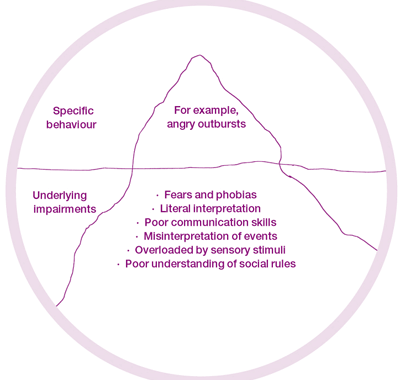
All too often we judge ourselves by our intentions and others by their behaviour. Guess what they judge you on your behaviour. When issues then arise in the team we hear about the work pressures or family issues or hear those dreaded words… It’s just who they are. Many organisations bring in Psychologists to deal with issues of personality (If I have to do another Myers-Briggs I may kill someone!) as that is seen as the overarching issue. Lets be clear!!! It is not their personality that is the issue, it is their behaviour! Or more specifically their lack of behaviour.
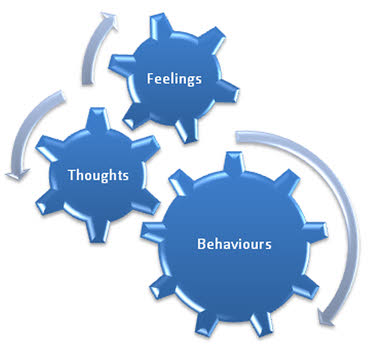
What we recommend at Ultimate Youth Worker is that we move towards a behaviourist approach to dealing with people. Whether the young people we work with, our colleagues or others we may work with along the way we should develop a lens of behaviour through which to judge our interactions. Don’t get us wrong, the Myers-Briggs and other personality profiles are a great tools. But for us to be effective in running groups, providing support to our young people or dealing with colleagues means understanding theirbehaviours and how to work with them to utilise their strengths.
Over the coming weeks we will begin to look at how to develop a behavioural lens to work from. A lens that will help you understand peoples strengths and weaknesses, how to speak to them in a way that will help you develop your relationship with them and ultimately strengthen your work with everyone you come across.
In the meantime… Stay Frosty.
What are your thoughts???
Leave us a comment below or post a comment on facebook and twitter.
Aaron Garth is a Melbourne-based youth worker, social worker, and mental health practitioner with over two decades of experience supporting young people across Australia. As Chief Executive Officer of Ultimate Youth Worker, he leads a team dedicated to training, coaching, and developing professionals in the youth sector.
A graduate of RMIT University and current PhD candidate, Aaron has worked across some of the most challenging areas of youth services — from homelessness and mental health to drug and alcohol outreach and residential care. He is a sought-after speaker, educator, and advocate for a more professionalised youth workforce, and has taught at institutions including RMIT, Chisholm Institute, and Eastern College Australia.
Aaron's work is driven by a simple belief: when youth workers are better supported, young people get better outcomes.
I have just finished reading an article in the latest Journal of the Australian Association of Social Work. The article addresses that enigma that we all struggle to solve eventually in life, ‘how do I find a work life balance’? The article shows the results of a survey of 439 qualified social workers who had been asked questions around balancing work and family and the stress associated with this.
The results of this survey basically show that the pressures of work impact negatively on family life and create psychological strain on the individual and the family. Conversely, when the pressures of family life impact on work they create more psychological stress on the individual and decrease work effectiveness. It is a cycle that so many of us have fallen into; work pressures lead to pressure at home which leads to pressure at work which leads to pressures at home. Things start spiraling out of control and then some well meaning friend or colleague or our boss says something along the lines of “dude you need to get some work life balance!”
Unless it is an illness, new birth, death or an issue of other family members spiraling out of control rarely have the team at Ultimate Youth Worker seen the impact of family pressures on work. In fact we would be so bold as to say it is never that we spend so much time at home that our work is suffering!!! It is almost always that work is taking up the family time.
As a full-time youth worker doing 40+ hours a week, a Masters student out two nights a week for classes and studying most of the weekend, a member of the student union doing one night time activity per week and starting a new company; my wife pulled me up on my lack of family time at the beginning of the year. I was seeing my kids for a couple of hours a week aside from the crossing of our paths as we got ready for the day ahead. My wife would be asleep on the couch most nights by the time I got home and we rarely had any “us time”. I prioritised WORK over FAMILY. No work life balance there.
When I was called to account by my wife (Yes, even those of us striving to become ultimate youth workers argue with our wives at decibel levels that would shame any self respecting metal band) I was shocked. I hadn’t realised. My kids had an absent father and my wife was living like a single mum. I was unsure of what to do. Everything I was doing was important, wasn’t it? Important to the future of our family. If I worked longer hours I would support more vulnerable young people earning me a positive reputation in the field. If I gained my Masters it would open up doors for promotion and show that I had amazing knowledge. By supporting the student union I was supporting educational standards and building networks for the future. Everything I was doing was for a time just out of reach but right in my line of sight. If I worked harder now my life would be glorious in the future. The problem is the future never becomes the present. There is always another obstacle in the way of ultimate success. I had invested in my identity as a youth worker and pinned my hopes and dreams on a professional future whilst neglecting the present.
Work was going great but family was a mess. I spoke to some trusted friends and confidants and they all said I needed to drop some of my work priorities to balance my family priorities. I deferred my Masters for six months and sat back to see balance take hold. Unfortunately, I tipped further away from family. I got caught up in more committees through work, the student union and even went on a recruitment binge for more volunteers for my program at the behest of my boss. My work life balance was quite unbalanced.
You see, work expands so as to fill the time available for its completion, or so says Parkinson.
I had removed a work priority but I had not made family a priority, so work expanded to fill ‘the gap’.
What I began to realise was that I was looking at this all wrong. It’s not my fault!!! Someone gave me an equation that had incompatible data. They said:
Equal Time (with Family) + Equal Time (for work) = Balance in life
The problem is there is no balance!!!The data sets are totally incompatible. I might as well have said, buying a telescope + reading a book on hang gliding = qualified zoo keeper!!! Work and Family are two totally different concepts. They cannot be placed in a zero sum equation of balance. Balance assumes that they have equal weighting. As youth workers we strive to support our clients (placing weight on our work) and all to often it is at the detriment of our family (removing prioritised time). We all say family is important, but our actions show our families something different. In the article the authors recount that some social workers stated,
“when confronted with demands from work and home, their work commitments was given priority over family commitments” (pg 367).
Why do we do this??? Is it because we believe our family will understand the plight of the young people and will forgive us for missing time with them. If I had a dollar for every youth workers kid (including my own) I met that stated their parent was never around I could retire today.
But if there is no balance, I hear you say, then what do I do???
When you realise that the two concepts of family and work can never balance you can then prioritise action. Choose to put your family first. If you are married I know your vows didn’t say that you take ‘work’ for better or worse. Got kids??? I’m sure they miss your love and affection (I believe it builds good attachment, I think I read somewhere that that’s important???). Want to see them next Christmas??? Then make them your number one priority.
Work will always expand then to fit the remaining time available for it.
But what about my boss??? I can’t just stop going into work?? I need my paycheck? But I’m in ministry and I was called to do this? All valid thoughts!!! Whats your priority though??? I’m not saying quit your job!!! But, your paid for 38 hours… so do 38 hours. You have some high risk kids… put plans in place so you can switch your phone off on the weekend. Have you ever gone away on holiday??? Did the world end while you were gone??? Of course not!!! You put measures in place so that things worked without you. Be more effective in your work time so that it doesn’t spill over into family time.
If your family is your first priority then schedule your time with them. If you are down to finish at 5pm, schedule your arrival at home (If you are really gutsy you could even promise to be home at that time). Honour your commitment to your family. Schedule holidays and weekends away and kids soccer games and date nights with your partner. Then when you have prioritised your family life let work fill work time. I used to do a weekly calendar that began by blocking out Monday to Friday 9-5. I would fill it with Uni and meetings and all manner of other rubbish and my wife would ask when I would be around for the family!!!
Backward!!!
If family is your number one priority they get first dibs at your calendar.
FULL DISCLOSURE: I haven’t been doing this long. I had always thought self care was all about me. If someone took your job away you would be sad, disappointed even angry. I Know, I have been fired from work that I loved without any notice. But, if someone took your family away you would become a wreck. A blubbering mess. How many divorces in our field could have been avoided by a good hard look at our prioritise? My wife and I are still together. More to do with her amazing heart than my skills and planning. She knew this stuff intrinsically. Family comes first!
I am still learning. I was out four nights last week and didn’t get to see my kids awake between Sunday and Friday. But I spent Friday night, Saturday and Sunday making up for it.
Do not aim for a work life balance. It is a false economy and one that will lead to a crash… and it won’t be at work. Invest in your family first and then work hard at your job during work hours. There will always be demands on your time and you will always spend more waking hours at work than at home. But if you prioritise your family first they will get the lions share of your attention and you will reap the rewards of a happy and fulfilled life.
P.S. to my friends in youth ministry. You can be more susceptible to putting work first than most others. I know as a church based youth worker in the early part of my career I was paid for 2 days a week and used to work in excess of 30 hours a week!!! That’s fine when you do not have a family. The excuse (and I believe it is and excuse. If you don’t then email me and we can chat) that, “I am in the ministry and that makes it OK to forsake my family for a time because I am just following God’s call on my life and they should support me in it” is preposterous. You married, had a family, they are your responsibility. They come before the ministry.
Reference
Parveen Kalliath, Mark Hughes & Peter Newcombe (2012): When Work and Family are in Conflict: Impact on Psychological Strain Experienced by Social Workers in Australia, Australian Social Work, 65:3, 355-371
What are your thoughts??? leave a comment or post a comment on facebook and twitter.
Aaron Garth is a Melbourne-based youth worker, social worker, and mental health practitioner with over two decades of experience supporting young people across Australia. As Chief Executive Officer of Ultimate Youth Worker, he leads a team dedicated to training, coaching, and developing professionals in the youth sector.
A graduate of RMIT University and current PhD candidate, Aaron has worked across some of the most challenging areas of youth services — from homelessness and mental health to drug and alcohol outreach and residential care. He is a sought-after speaker, educator, and advocate for a more professionalised youth workforce, and has taught at institutions including RMIT, Chisholm Institute, and Eastern College Australia.
Aaron's work is driven by a simple belief: when youth workers are better supported, young people get better outcomes.
One of the main differences between a good youth worker and a great youth worker is their ability to get things done in a timely manner for the young people they support. Whether it is helping them find work, get a medical check up, enter a rehab facility or any other thing we do being able to refer them on to other agencies and have the agency get to them is an art… or is it???
On the 21st of February 2012 I posted on Facebook, “How big is your network? a good youth worker has a wide and varied group that they can call upon in need.“. What I didn’t say was how a youth worker could do it. So many people I speak to think that building a network is something for the extraverts and party people. They say things like, “I wish I had a bigger network, but I don’t know who to ask” or “If only I knew someone at (insert service) it would make my life so much easier…but I don’t“. Most think that to build a network you have to have been born with an innate ability to attract people. The good news is that is a crock. Anyone can do it!
The most difficult part is having the guts to do it. I know it is hard. PEOPLE ARE SCARY. Its why we like email more than a phone call and love it compared to going face to face. But if we can get past our fear of other people our network can grow daily!!! Think of all the people you meet every day. The people on your train to work. The Barrista who makes your coffee. The other service providers in your building. The school staff at your kids school. The doctors at your local clinic. HOW MANY PEOPLE DO YOU SEE EVERY DAY???
Once you realise that you meet people everywhere everyday the next part is easy. With the courage you have been plucking up you stick out your hand and say “Hi i’m …..”! I was in a cafe about a month ago waiting to meet a volunteer. The cafe is a regular haunt and I have gotten to know some of the staff but I was in during lunch which is a time I don’t usually go in. There was a waiter I had seen a couple of times in the evening who seemed to be running things during lunch. After I met with my volunteer the waiter mentioned that he had seen me in the cafe a bit over the last few months and asked what I did. After a brief chat I stuck out my hand and said “By the way i’m Aaron”. We chatted for a bit longer and it turned out the guy had just brought the cafe and was spending a couple of months learning the ropes. Since that time I have never paid for a coffee for a volunteer and we have found a new place to hold our volunteer get togethers.
Once you do this a dozen times you will have a pretty good idea of how to do it and what to say. From here the next part is a cake walk. If you are at a conference, stick out your hand. If you are at a multidisciplinary meeting, stick out your hand. If you are in a cafe, stick out your hand. Everywhere you go stick out your hand and introduce yourself. Remember the person’s name!!! Write it down if you have to. Get a business card if they have one. The main point is to do it everywhere. Yeah you will meet some people you will never meet again (I once met a professional telemarketer, I annoyed her during her dinner:)) but you will have a card book full of contacts that you will be able to develop into your network.
When I was working in a youth drug and alcohol rehab we expected that the young people coming into our centre had completed a detox for at least a week. A former colleague gave me a call to book her young person in but couldn’t get him a detox stay for at least 2 months. Knowing my colleague and her practice style I knew the young person was at a crucial stage and would bail on her before 2 months so I asked her to leave it with me. I rang a guy I had met a few weeks earlier at a conference who managed a youth detox service. We didn’t really know each other but I asked if we could catch up for a coffee. Two days later over coffee I mentioned how difficult my former colleague was finding a place for her young people to detox and before I finished my sentence he said that I should get her to call him. Three weeks later the young person came to my rehab after a week stay at my new friends detox.
Build your network!!! It can help you or someone you know as in the case above, but most of all it can help your young people. My network has mechanics, financial planners, allied health staff, a pilot and many others who I stay in contact with and get to know whenever I can. It doesn’t matter who you meet but in the words of Nike, JUST DO IT. To learn more about building your network you can listen to our friends Mike and Mark talk about it in more details on their podcast.
If you have any questions drop us an email or chat to us on facebook and twitter.
Aaron Garth is a Melbourne-based youth worker, social worker, and mental health practitioner with over two decades of experience supporting young people across Australia. As Chief Executive Officer of Ultimate Youth Worker, he leads a team dedicated to training, coaching, and developing professionals in the youth sector.
A graduate of RMIT University and current PhD candidate, Aaron has worked across some of the most challenging areas of youth services — from homelessness and mental health to drug and alcohol outreach and residential care. He is a sought-after speaker, educator, and advocate for a more professionalised youth workforce, and has taught at institutions including RMIT, Chisholm Institute, and Eastern College Australia.
Aaron's work is driven by a simple belief: when youth workers are better supported, young people get better outcomes.
A couple of months ago I attended a conference where Professor Rob White from the University of Tasmania stated that the key attribute of a youth worker is their identity first and foremost as a youth worker. I have been thinking about this a lot lately as I am coming to the end of my masters degree and wonder what it will mean for my future professional Identity.
As a young man I began my studies in youth ministry. I was working for a local Baptist Church and was looking at gaining a qualification for my future work in the Church. A couple of years later I went on to study at RMITas I wanted to expand my understanding of youth work and the youth services sector. During this time I also had the opportunity to gain a Certificate in Alcohol and Other Drug work. After a few years and some interesting conversations I decided to go back and study for a master of social work. All of these courses have informed my practice as a youth worker over the years and have shaped who I am as a person.
Over the years I have had a number of jobs in the youth services field from drug and alcohol outreach to school based youth worker. I have also had a number of other social work roles such as in adult homelessness services and family services. Depending on whom I was talking too and what specialities my role required I would determine what I would tell a person when they asked what it was I did. For the most part I would tell people that I was a youth worker and deal with questions of my knowledge base if they arose later.
I was asked by a mate recently if I would start calling myself a social worker when I graduate from the masters. Without a second thought I said NO. Whilst I will be qualified as a social worker my heart is in youth. Truth be told I only did the qualification because I was sick of the politics and hierarchy of the welfare field in Australia and wanted “a piece of paper” that said I was as good as the rest. In my heart of hearts I am a youth worker and I am proud of it.
There is a discussion in the field about professionalism and a concurrent discussion on the idea of specialisation Vs generalisation in the field. When the chips are down it doesn’t matter if you have a specialisation or not. A specialisation does not make the professional. Our identity is not in our specialisation it is in our initial focus… working with young people. When we are the best at the core stuff that is when the sector sees us as professionals. Our professional identity hinges on our ability to do our job better than anyone else and that is something that we can be proud of. We resonate with Professor White’s statement that the key distinguishing attribute of a youth worker is indeed their identity first and foremost as a youth worker.
Aaron Garth is a Melbourne-based youth worker, social worker, and mental health practitioner with over two decades of experience supporting young people across Australia. As Chief Executive Officer of Ultimate Youth Worker, he leads a team dedicated to training, coaching, and developing professionals in the youth sector.
A graduate of RMIT University and current PhD candidate, Aaron has worked across some of the most challenging areas of youth services — from homelessness and mental health to drug and alcohol outreach and residential care. He is a sought-after speaker, educator, and advocate for a more professionalised youth workforce, and has taught at institutions including RMIT, Chisholm Institute, and Eastern College Australia.
Aaron's work is driven by a simple belief: when youth workers are better supported, young people get better outcomes.
Since our last post our Director of Operations has been fielding questions that usually started with ‘so you think anyone can be a youth worker…?’! These conversations often led to a discussion around the idea of minimum qualifications for youth workers and a subsequent frustrating discussion on what that would look like.
For the record we thought it would be worth trying to articulate our company position which we began to do in our last article. We asked our Director of Operations to spell it out.
We DO believe that Youth Workers should have qualifications. The higher the better!!! We do not believe that setting a minimum qualification is the answer. Minimum standards do not set a bar of excellence but a ‘just scrape through’ mentality. Here in Victoria this happened in the drug and alcohol sector when the sector settled for 5 units from a Certificate IV as their standard because many people who were practicing had a Certificate IV or less. If we set the minimum qualification at a bachelor degree as many want to in Victoria and as has happened in Ireland then we would be alienating over %75 of the current youth sector which without legislative support would just lead to a hierarchy of staff in organisation in the same vein as the professional/volunteer dichotomy present in Ireland.
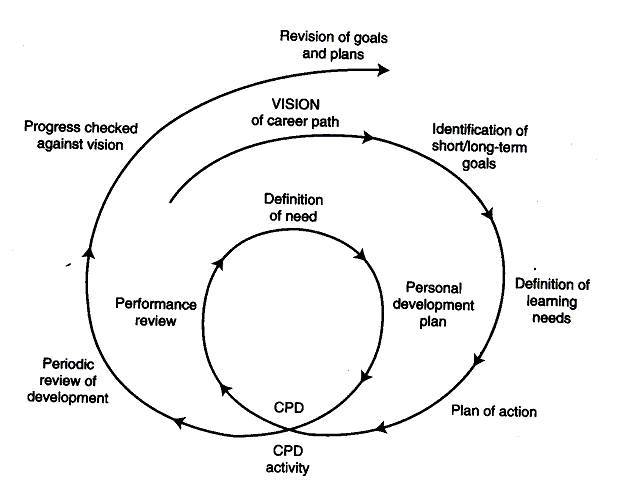
We DO believe that a tiered system of qualifications and responsibilities needs to be implemented alongside a professional association which requires ongoing professional development for membership. If you are un-qualified then you should have less responsibility than someone with a Masters degree. But if you are employed as a youth worker you should be required to meet stringent professional development levels throughout your career to be allowed to practice. If you are employed as a youth worker you must be required to develop your professional understanding to maintain employment.
We DO NOT believe that implementing a minimum qualification level will make the youth sector any more professional. The best most professional youth worker I know is a plumber by qualification. He may not know all the theories but he is always on the hunt for good professional development and training. He attends forums and is involved in many practice groups and looks for opportunities to better his practice and that of his organisation. Conversely, one of the degree qualified youth workers I trained with has not attended professional development training in over five years, is not a member of any professional groups and is by all accounts a mediocre youth worker at the best of times… and he manages a medium sized youth service. Qualifications do not make a professional.
As I was sitting in Macca’s on the weekend watching my kids play on the playground I started thinking about how I was going to approach this article. when my wife brought out our food I looked at the tray mat which showed a career progression graph with roles, responsibilities and training requirements to make it up the McDonald’s ladder. It fit the model that we at Ultimate Youth Worker believe should be implemented perfectly. Qualifications scaffold your ability to move up the ladder from Certificate I through to Higher Degrees. Experience in each area of responsibility builds opportunity for advancement. Ongoing development is a requirement for continued employment. You are always learning and always being prepared for the next level of the career path. You never stay as an un-qualified person you get trained or you are let go.
One of our friends mentioned that for this to happen dollars need to be spent and opportunities need to be available. It means that professional development needs to become a BUDGET REQUIREMENT rather than a reluctant line item. It means professional development must meet the needs of the sector and focus on CONTINUING development rather than just rehashing material you would learn in a Certificate IV level course. It mean that the profession needs to endorse a process rather that a dead end. Not just an endorsement like the lip service of the past but one where funding agreements are littered with the notion of ongoing staff development, where professional associations run more training than the universities and where youth workers aspire to be better than the minimum standard.
Qualifications are important, however ongoing professional development is more so. Sector wide funding for ongoing professional development is sparse at best and if we can not get it right no level of qualification will ever be enough. For the record we believe that setting a minimum qualification would diminish a focus on excellence rather than build it. We believe that there needs to be a clear career progression path for staff in the sector and qualifications need to match duty levels. The Sector needs to step up and provide opportunities for development and this requires a dedicated effort and funding.
We have much more to add to this discussion and will continue to speak on our view for the future.
Aaron Garth is a Melbourne-based youth worker, social worker, and mental health practitioner with over two decades of experience supporting young people across Australia. As Chief Executive Officer of Ultimate Youth Worker, he leads a team dedicated to training, coaching, and developing professionals in the youth sector.
A graduate of RMIT University and current PhD candidate, Aaron has worked across some of the most challenging areas of youth services — from homelessness and mental health to drug and alcohol outreach and residential care. He is a sought-after speaker, educator, and advocate for a more professionalised youth workforce, and has taught at institutions including RMIT, Chisholm Institute, and Eastern College Australia.
Aaron's work is driven by a simple belief: when youth workers are better supported, young people get better outcomes.
Over the last few months I have been encouraged to imagine what youth work might look like in the future. This has been an exciting process, however it has also had a disheartening effect on me. You see when you look forward you inevitably return to the present and you may even glance to the past.
As I look into the past I lament the neo-liberal focus on professionalisation as meaning only having qualifications. I also lament the removal of practice wisdom from our day to day work and the replacement with rules and regulations. I lament that we have been so divisive in how we have dealt with each other as youth workers instead of banding together. We have made progress but we have also spent a lot of the time LOST in the wilderness navigating from glimpses of someone else’s map.
In their inspiring book “practical wisdom” Barry Schwartz and Kenneth Sharpe believe that we need to re-imagine our work as neither rules based or incentive driven but as being driven by practical wisdom. They call for us to become ‘canny outlaws’ who buck the trend of standardisation and become more empathetic and learn from the collective wisdom of the sector. In their view we need to become wise through mentoring and practice development without the constrains of standardisation and rote learning.
As I gaze into the future of youth work I imagine a profession unlike any other. One where we mentor our new colleagues and share practice wisdom freely. One where gaining a qualification is inconsequential but where ongoing education is the benchmark. A profession where our work is so exceptional that we are envied by others and where it is so unique that it is not so easily quantifiable.. or dismissed as it is currently. I see a profession of diverse skills, qualifications and theories that work in harmony to support young people as a whole person. I see a bright future. To get there we must stop tearing ourselves apart and begin to develop our own professional identity free from the constraints of other professions and those that have been imposed on us by governments and the neo-liberal agenda.
Aaron Garth is a Melbourne-based youth worker, social worker, and mental health practitioner with over two decades of experience supporting young people across Australia. As Chief Executive Officer of Ultimate Youth Worker, he leads a team dedicated to training, coaching, and developing professionals in the youth sector.
A graduate of RMIT University and current PhD candidate, Aaron has worked across some of the most challenging areas of youth services — from homelessness and mental health to drug and alcohol outreach and residential care. He is a sought-after speaker, educator, and advocate for a more professionalised youth workforce, and has taught at institutions including RMIT, Chisholm Institute, and Eastern College Australia.
Aaron's work is driven by a simple belief: when youth workers are better supported, young people get better outcomes.
Over the course of my career I have had over a dozen supervisors throughout half a dozen or so specialities. Some of these supervisors were Youth Workers, some Social Workers, some Pastors and some drug and alcohol workers. Their qualifications had ranged from Diploma level to Masters degrees and one had no formal welfare qualifications at all. Not an unknown factor to those of us in the youth sector.
In Australia there is no requirement for a supervisor to have a professional qualifications. As a Degree qualified Youth Worker and soon to be Masters qualified Social Worker I have never attended a class on supervision, i have never heard a lecture on what constitutes good supervision practice and i have never had a supervisor who had either. At best my supervisors had attended a 2 day course in supervision and at worse my supervisors had less than a year more experience in the field than i had. So if there are only a few courses for supervisors and most of these less than a week long, how do you become a good supervisor???
The best supervisors I have had came from both ends of the spectrum. One was a qualified Social Worker with over a decade of experience who regularly attended courses on supervision. The other was a Youth Worker who had no qualifications but was an avid reader of supervision texts and attended every professional development opportunity focussed on supervision. The skill set that both of these supervisors had in common was and eager appetite to better their own practice as supervisors and a great ability to listen. The styles they used were different, the theoretical focus wide and varied and the outcomes specific to the needs of myself and my clients.
Maidment & Beddoe (2012) believe that supervision must be placed at the core of professional development for staff, “We want to place supervision at the heart of professional development, which is career-long and where, via diverse learning activities, practitioners refine and augment their knowledge, develop skills, and undertake supervision to enhance critically reflective practice“.
Do your supervisors support your development? If not you might be in the market for an external supervisor! What ever your situation if you want longevity in the sector studies show that you need a good supervisor.
Aaron Garth is a Melbourne-based youth worker, social worker, and mental health practitioner with over two decades of experience supporting young people across Australia. As Chief Executive Officer of Ultimate Youth Worker, he leads a team dedicated to training, coaching, and developing professionals in the youth sector.
A graduate of RMIT University and current PhD candidate, Aaron has worked across some of the most challenging areas of youth services — from homelessness and mental health to drug and alcohol outreach and residential care. He is a sought-after speaker, educator, and advocate for a more professionalised youth workforce, and has taught at institutions including RMIT, Chisholm Institute, and Eastern College Australia.
Aaron's work is driven by a simple belief: when youth workers are better supported, young people get better outcomes.