We have all heard the saying “the road to hell is paved with good intentions“. No more have I seen this than in the human services. Hopefully we have all come into the sector with a passion to work with broken individuals. Sometimes however, this passion gets in the way of our reason and we take on more projects than we can deliver on. For me there have been many times where I have accepted a spot on a committee, group or panel with the best intentions of delivering amazing results for them. However, when push comes to shove and the work with my young people begins to suffer I have to step aside. Usually having caused a major issue for the group, panel or committee. I see this happen in my personal life too. Because I commit to being on a board or committee it takes time from my family and causes strain on my resources and relationships. Are my intentions noble and just??? Of course! But what about my behaviours???
In youth work we all to often reward our young people for setting a goal or agreeing to attend a meeting. We do it with our colleagues as well. How many times have you seen a youth worker take a hit for the team only to have to deal with the issue again at a later date. You know the situation… you are in a team meeting and the boss says that you need to report to a funding body on your progress. No one wants to do the data collection and a noble colleague says they will do it. Two weeks later the team is thrown into chaos because the worker did not get around to it because of some other more pressing concern. When that happens we never judge them on their intentions… She was so noble and she really wanted to get it done. We judge them on their behaviour… She left it to the last minute and now I have to do it anyway.
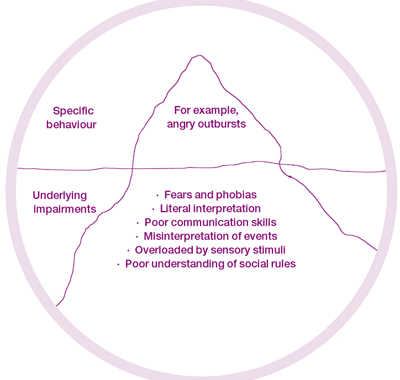
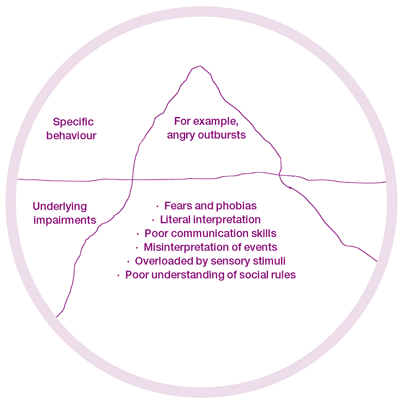
All too often we judge ourselves by our intentions and others by their behaviour. Guess what they judge you on your behaviour. When issues then arise in the team we hear about the work pressures or family issues or hear those dreaded words… It’s just who they are. Many organisations bring in Psychologists to deal with issues of personality (If I have to do another Myers-Briggs I may kill someone!) as that is seen as the overarching issue. Lets be clear!!! It is not their personality that is the issue, it is their behaviour! Or more specifically their lack of behaviour.
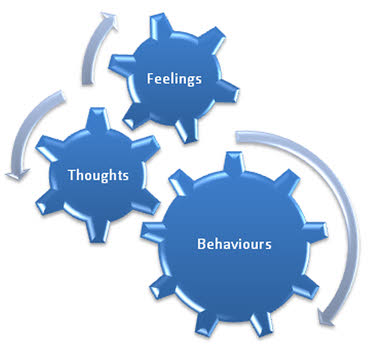
What we recommend at Ultimate Youth Worker is that we move towards a behaviourist approach to dealing with people. Whether the young people we work with, our colleagues or others we may work with along the way we should develop a lens of behaviour through which to judge our interactions. Don’t get us wrong, the Myers-Briggs and other personality profiles are a great tools. But for us to be effective in running groups, providing support to our young people or dealing with colleagues means understanding theirbehaviours and how to work with them to utilise their strengths.
Over the coming weeks we will begin to look at how to develop a behavioural lens to work from. A lens that will help you understand peoples strengths and weaknesses, how to speak to them in a way that will help you develop your relationship with them and ultimately strengthen your work with everyone you come across.
In the meantime… Stay Frosty.
What are your thoughts???
Leave us a comment below or post a comment on facebook and twitter.
Aaron Garth is a Melbourne-based youth worker, social worker, and mental health practitioner with over two decades of experience supporting young people across Australia. As Chief Executive Officer of Ultimate Youth Worker, he leads a team dedicated to training, coaching, and developing professionals in the youth sector.
A graduate of RMIT University and current PhD candidate, Aaron has worked across some of the most challenging areas of youth services — from homelessness and mental health to drug and alcohol outreach and residential care. He is a sought-after speaker, educator, and advocate for a more professionalised youth workforce, and has taught at institutions including RMIT, Chisholm Institute, and Eastern College Australia.
Aaron's work is driven by a simple belief: when youth workers are better supported, young people get better outcomes.
Since our last post our Director of Operations has been fielding questions that usually started with ‘so you think anyone can be a youth worker…?’! These conversations often led to a discussion around the idea of minimum qualifications for youth workers and a subsequent frustrating discussion on what that would look like.
For the record we thought it would be worth trying to articulate our company position which we began to do in our last article. We asked our Director of Operations to spell it out.
We DO believe that Youth Workers should have qualifications. The higher the better!!! We do not believe that setting a minimum qualification is the answer. Minimum standards do not set a bar of excellence but a ‘just scrape through’ mentality. Here in Victoria this happened in the drug and alcohol sector when the sector settled for 5 units from a Certificate IV as their standard because many people who were practicing had a Certificate IV or less. If we set the minimum qualification at a bachelor degree as many want to in Victoria and as has happened in Ireland then we would be alienating over %75 of the current youth sector which without legislative support would just lead to a hierarchy of staff in organisation in the same vein as the professional/volunteer dichotomy present in Ireland.
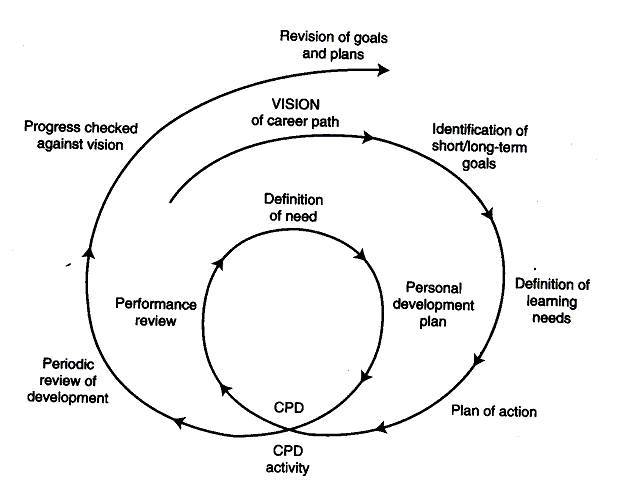
We DO believe that a tiered system of qualifications and responsibilities needs to be implemented alongside a professional association which requires ongoing professional development for membership. If you are un-qualified then you should have less responsibility than someone with a Masters degree. But if you are employed as a youth worker you should be required to meet stringent professional development levels throughout your career to be allowed to practice. If you are employed as a youth worker you must be required to develop your professional understanding to maintain employment.
We DO NOT believe that implementing a minimum qualification level will make the youth sector any more professional. The best most professional youth worker I know is a plumber by qualification. He may not know all the theories but he is always on the hunt for good professional development and training. He attends forums and is involved in many practice groups and looks for opportunities to better his practice and that of his organisation. Conversely, one of the degree qualified youth workers I trained with has not attended professional development training in over five years, is not a member of any professional groups and is by all accounts a mediocre youth worker at the best of times… and he manages a medium sized youth service. Qualifications do not make a professional.
As I was sitting in Macca’s on the weekend watching my kids play on the playground I started thinking about how I was going to approach this article. when my wife brought out our food I looked at the tray mat which showed a career progression graph with roles, responsibilities and training requirements to make it up the McDonald’s ladder. It fit the model that we at Ultimate Youth Worker believe should be implemented perfectly. Qualifications scaffold your ability to move up the ladder from Certificate I through to Higher Degrees. Experience in each area of responsibility builds opportunity for advancement. Ongoing development is a requirement for continued employment. You are always learning and always being prepared for the next level of the career path. You never stay as an un-qualified person you get trained or you are let go.
One of our friends mentioned that for this to happen dollars need to be spent and opportunities need to be available. It means that professional development needs to become a BUDGET REQUIREMENT rather than a reluctant line item. It means professional development must meet the needs of the sector and focus on CONTINUING development rather than just rehashing material you would learn in a Certificate IV level course. It mean that the profession needs to endorse a process rather that a dead end. Not just an endorsement like the lip service of the past but one where funding agreements are littered with the notion of ongoing staff development, where professional associations run more training than the universities and where youth workers aspire to be better than the minimum standard.
Qualifications are important, however ongoing professional development is more so. Sector wide funding for ongoing professional development is sparse at best and if we can not get it right no level of qualification will ever be enough. For the record we believe that setting a minimum qualification would diminish a focus on excellence rather than build it. We believe that there needs to be a clear career progression path for staff in the sector and qualifications need to match duty levels. The Sector needs to step up and provide opportunities for development and this requires a dedicated effort and funding.
We have much more to add to this discussion and will continue to speak on our view for the future.
Aaron Garth is a Melbourne-based youth worker, social worker, and mental health practitioner with over two decades of experience supporting young people across Australia. As Chief Executive Officer of Ultimate Youth Worker, he leads a team dedicated to training, coaching, and developing professionals in the youth sector.
A graduate of RMIT University and current PhD candidate, Aaron has worked across some of the most challenging areas of youth services — from homelessness and mental health to drug and alcohol outreach and residential care. He is a sought-after speaker, educator, and advocate for a more professionalised youth workforce, and has taught at institutions including RMIT, Chisholm Institute, and Eastern College Australia.
Aaron's work is driven by a simple belief: when youth workers are better supported, young people get better outcomes.
I remember not long after I got married about 5 years into my youth work career being out every other night and working to fix the problems of every young person who came through my circle of influence. I also remember the conversation I had with my wife where she told me I needed to deal with my God complex!!!
I didn’t think I had a God complex! I was just the local youth worker. I was the one who they looked to for advice. I was the one they could come to to deal with their issues. I was the one who helped the through the storms and stresses of youth. There wasn’t another youth worker in the area and I was the first point of call for many of the young people.
Many youth workers, particularly early in their career, strive to do everything they can for the young people they work with. This is not wrong as some would have you believe. A little misguided perhaps, but not wrong. Where this misguided focus can tend to become trouble is when youth workers forget that they do not know everything. Sometimes we get in so deep that we forget to advocate, refer and empower.
Our God complex comes to the fore when we overstep our ability. As youth workers we aren’t psychologists, accountants, doctors or lawyers. we may have some understanding of other areas of practice, but for the most part as youth workers we know about young people and that is where our practice should stay. When our passion makes us over reach we become detrimental to our young people and bring our profession into disrepute.
KNOW YOUR LIMITS! When we know what we are able to do we can provide a great service to our young people. When we know our limits we can focus our ongoing professional development to expand our abilities. When we know our limits we can work with our colleagues from other disciplines comfortable in our own abilities. Most of all when we know our limits we can live a balanced life without the God complex.
Aaron Garth is a Melbourne-based youth worker, social worker, and mental health practitioner with over two decades of experience supporting young people across Australia. As Chief Executive Officer of Ultimate Youth Worker, he leads a team dedicated to training, coaching, and developing professionals in the youth sector.
A graduate of RMIT University and current PhD candidate, Aaron has worked across some of the most challenging areas of youth services — from homelessness and mental health to drug and alcohol outreach and residential care. He is a sought-after speaker, educator, and advocate for a more professionalised youth workforce, and has taught at institutions including RMIT, Chisholm Institute, and Eastern College Australia.
Aaron's work is driven by a simple belief: when youth workers are better supported, young people get better outcomes.