Today I took a bunch of youth work students on a tour of the Melbourne Children’s Court. The Children’s Court of Victoria is a specialist court with two divisions dealing with cases involving children and young people. The Family Division hears applications relating to the protection and care of children and young persons at risk, and applications for intervention orders. The Criminal Division hears matters relating to criminal offending by children and young persons between the ages of 10 and 18. These courts had been a large part of my youth work career from my days working in drug and alcohol outreach to my time in family services. It is also a place that as a youth worker you hope you never have to enter as it means one of your young people has been abused or has done something they probably shouldn’t have.
As we were on our tour our guide mentioned that the role of a good youth worker in the children’s court was extremely important. Whether that was a youth worker writing clear and concise case notes and then providing quality testimony to the court on the work done with a young person in an abuse case or as a character reference for a young person facing incarceration because of a criminal matter a youth worker provides professional care and support in a setting that could at times feel trying. Aside from this our guide stated that it is often a lone youth worker sitting aside a young person that helps a judge to see opportunities for rehabilitation.
[Tweet “Good youth workers are extremely important to the effectiveness of the children’s court”]
There are many who would say that youth work is a generalist profession and any work that is not generalist is something else. We at Ultimate Youth Worker believe that it is in the ‘nitty gritty’ times such as appearances in a court that youth work really hits its stride. Our generalist skills set of relationship building and support provision is used extremely well in this important context. After all it is about our young people and their best interests.
Aaron Garth is a Melbourne-based youth worker, social worker, and mental health practitioner with over two decades of experience supporting young people across Australia. As Chief Executive Officer of Ultimate Youth Worker, he leads a team dedicated to training, coaching, and developing professionals in the youth sector.
A graduate of RMIT University and current PhD candidate, Aaron has worked across some of the most challenging areas of youth services — from homelessness and mental health to drug and alcohol outreach and residential care. He is a sought-after speaker, educator, and advocate for a more professionalised youth workforce, and has taught at institutions including RMIT, Chisholm Institute, and Eastern College Australia.
Aaron's work is driven by a simple belief: when youth workers are better supported, young people get better outcomes.
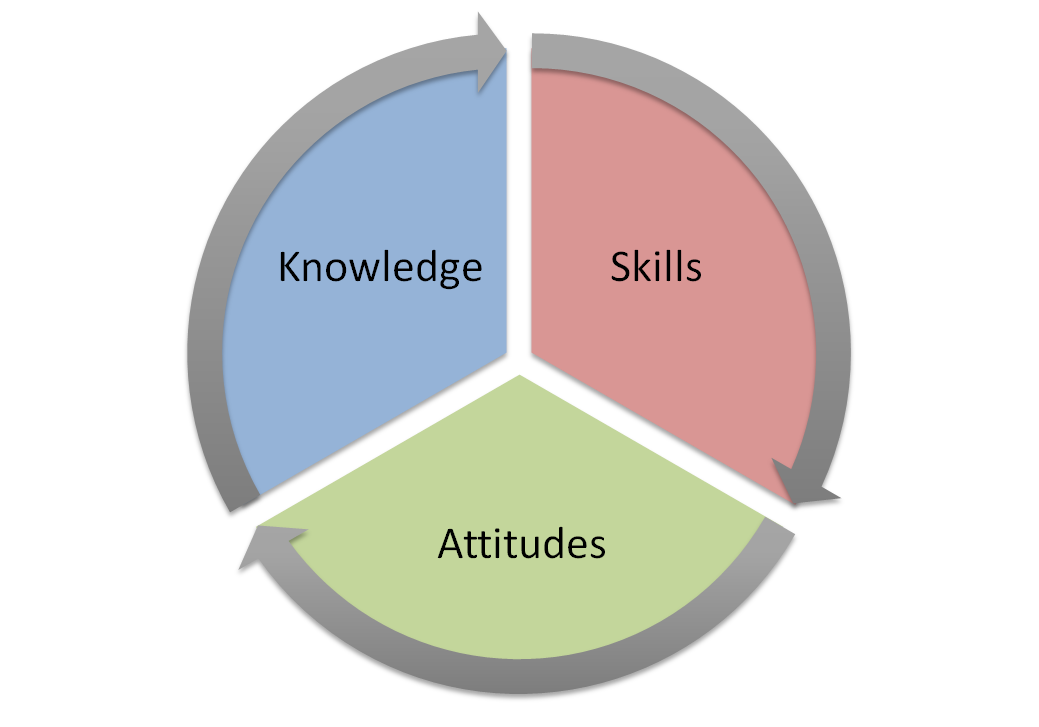
I had a discussion with a couple of students the other day which is a regular occurrence in my experience. The students ask some variation of “what is more important for gaining employment, experience or qualifications?” It is always a question on new graduate minds as they lack experience. But it is one of the most damaging questions our field faces at the moment. This question supposes that either knowledge or skills are better than one another. They are not.
Over the past decade I have interviewed dozens of youth workers and they inevitably fall into one of three categories. First, those who rely on their years of experience. Second, Those who rely on their qualification. Third, those with theory and practice. The third group wins hands down every time. Those with experience often tell stories of what they did in any given situation. Those with qualifications tell you why they would do something. Those with theory and practice tell you what they did and why they did it.
The best practitioners are those with both the theory and practice for the job, but this takes time. A highly qualified and experienced practitioner takes years to develop. With the average youth worker lasting between two and five years in the sector it is a struggle to get qualified and experienced staff. This is where the question is dangerous for our field. Those with the experience state that they know how to best work with young people because they have been ‘doing’ it for years. Those with qualifications counter that if you do not know why you are doing something or the theory behind it you will cause more damage than help for those young people. While this goes on the other professions laugh and pat us on the head.
For the record we believe qualifications are more important than experience, at least in the short term. After a couple of years in the sector you will have the experience. Qualification builds a foundation which you build experience on. Experience first is a very shaky foundation as it is through your experience that you will see theory. A very limited view. But there is something we seek more, attitude. We would take less qualification and experience for a more passionate teachable attitude any day. We can give you experience and we can send you to get qualified but attitude that is all on you.
Theory and practice
Ultimate Youth Workers build their understanding of theory at every chance possible. They develop practice skills with every young person they meet. Most of all they have an unshakeable attitude which puts the needs of their young people first. Having an understanding of how theory relates to practice and vice-versa is integral to best practice youth work.
Aaron Garth is a Melbourne-based youth worker, social worker, and mental health practitioner with over two decades of experience supporting young people across Australia. As Chief Executive Officer of Ultimate Youth Worker, he leads a team dedicated to training, coaching, and developing professionals in the youth sector.
A graduate of RMIT University and current PhD candidate, Aaron has worked across some of the most challenging areas of youth services — from homelessness and mental health to drug and alcohol outreach and residential care. He is a sought-after speaker, educator, and advocate for a more professionalised youth workforce, and has taught at institutions including RMIT, Chisholm Institute, and Eastern College Australia.
Aaron's work is driven by a simple belief: when youth workers are better supported, young people get better outcomes.
One of the most often cited reasons for staff turnover in the youth sector is the lack of promotion opportunities. Whether it is leading teams or projects many youth workers want to move up the ladder. However we also have a relatively low entry point to becoming a youth worker with over 50% of the Australian youth sector having a Certificate IV or less. This lack of career progression options has been an issue within the sector for many years with the Australian Youth Affairs Coalition recently bringing it t the forefront again. It also forms the basis for one of the most frequently asked questions I get from students at university and TAFE… how do we get a decent job in the youth sector?
So with limited opportunities and a limited pool of highly qualified youth workers, what is a youth worker to do??? Plan their career!
Whether you are just starting your career or you are years into it, it is important to realise that no one other than you is looking out for your career progression. Most youth work organisations do not do succession planning or if they do it is mainly focussed on the top job. So if you thought that your manager was getting you ready for or had a focus on developing you for your next role, the chances are you are wrong. There are a few managers and organisations who take very seriously the idea of staff development and succession planning. However for the most part you are on your own.
[Tweet “Whether you are just starting your career or you are years into it, you need to think about career progression.”]
If there are limited opportunities for you to progress upwards in your organisation (usually because you are in a small or medium sized organisation) then you may need to think laterally. What other organisations do work you want to be involved in? What requirements do they have for staff? What qualifications do they want you to have? Is there specific knowledge or experience you need for the roles? In our experience you will need depth of knowledge about young people and a breadth of experience if you are to stand out for the roles you want.
If you imagine a Certificate IV as the minimum standard and a PhD as the maximum depth that your qualifications can have, look at the depth of your qualifications. More depth provides you more opportunity to get promoted. The other axis to look into is breadth. If all you have focused on is youth work you may have great depth (which is fantastic for an academic) but you will have no breadth. Now if you choose to gain some qualifications in the peripheries then you begin to gain some breadth. Drug and Alcohol, Mental Health, Management, Business, Family Therapy, Education; all of these periphery qualifications and more can give you more options for your career.
Depth and breadth of your qualifications are only one part of your career development plan. It gives you options. To begin the process though you have to have an area in mind that you want to end up in. At the beginning of my career I knew that I wanted to be the best at working with young people who were at the crisis end of the spectrum. That meant I had to Gain qualifications in these areas. I gained qualifications in Youth Work, AOD and Dual Diagnosis. Qualifications gave me some options. If you don’t have much depth or breadth November is always a great time to check out some options for building your qualifications.
Aaron Garth is a Melbourne-based youth worker, social worker, and mental health practitioner with over two decades of experience supporting young people across Australia. As Chief Executive Officer of Ultimate Youth Worker, he leads a team dedicated to training, coaching, and developing professionals in the youth sector.
A graduate of RMIT University and current PhD candidate, Aaron has worked across some of the most challenging areas of youth services — from homelessness and mental health to drug and alcohol outreach and residential care. He is a sought-after speaker, educator, and advocate for a more professionalised youth workforce, and has taught at institutions including RMIT, Chisholm Institute, and Eastern College Australia.
Aaron's work is driven by a simple belief: when youth workers are better supported, young people get better outcomes.
I was talking with a student of mine today about the need for youth workers to have plans. Career plans. Professional development plans. Self-care plans. Plans for working with clients. Plans for networking. Plans, plans, plans. It dawned on me as I said this that most youth workers I know don’t really do this. We sit around and lament that nothing is happening or we spend our time up to our neck in crisis.
Prior Preparation Prevents Piss Poor Performance
Planning meeting in progress
Making plans
If we are to excel as youth workers, to truly become “Ultimate” we must plan our work and work our plan. If we do not plan we are at the mercy of whatever storm comes our way. When we don’t have plans we are saying blatantly that we do not care what happens in the future.
We need to become proficient at forward planning. It doesn’t mean we have to have it all worked out… But we have to start somewhere.
Here are a few places for us to begin our plans.
Career development: Begin by getting a handle on the type of youth work career you want. Then work out where you are starting from. Think about the depth and breadth of your qualifications, the experience you have and your values. Then plan for your future. Listen to this podcast to help you out with this task.
Self Care Plan: There are really only a few things our team harp on about and at the top of the list is self care. Youth workers really struggle with this concept so its a good place to begin a plan. Try this one.
Networking: A youth worker is only as good as the network they keep. Ultimate Youth Workers know that they need a solid network. It helps us to provide the most exceptional service to our young people. Plan who you need on your network and use a tool like LinkedIn to manage it.
With these quick plans in hand you will be better than 90% of your colleagues who fail to plan even a little. But don’t rest on your laurels. Get out a piece of paper and start planning today.
Aaron Garth is a Melbourne-based youth worker, social worker, and mental health practitioner with over two decades of experience supporting young people across Australia. As Chief Executive Officer of Ultimate Youth Worker, he leads a team dedicated to training, coaching, and developing professionals in the youth sector.
A graduate of RMIT University and current PhD candidate, Aaron has worked across some of the most challenging areas of youth services — from homelessness and mental health to drug and alcohol outreach and residential care. He is a sought-after speaker, educator, and advocate for a more professionalised youth workforce, and has taught at institutions including RMIT, Chisholm Institute, and Eastern College Australia.
Aaron's work is driven by a simple belief: when youth workers are better supported, young people get better outcomes.
Over the past few years I have had the privilege of educating youth workers in a number of educational facilities throughout Victoria. I see highly passionate people with a clear understanding of the sector that they want to work in. I also know over 50% of them will not be in the sector in two years! As a qualified teacher in the TAFE system I know what the training package says should be taught to youth workers completing a certificate four or diploma course. I also know how lacking the courses are. The average youth work course is not equipping future youth workers to work effectively with young people in the current climate.
One of the biggest issues facing the future of youth work in Australia and throughout the world is lack of education. In Australia over 50% of youth workers have a certificate four (a one year course) or less. There are a large number unqualified people in our sector. Qualifications are a key indicator of intention to stay in the sector and they are an indicator of the level of support a young person can expect.
I know many unqualified people who provide great service to young people and I know they would all be even more exceptional with some qualification. I know many youth workers who have qualified with a one, two or three year qualification who need to get more qualifications. I know PhD holders who need more education. Read a Book. Do a short course. Get a lateral qualification. Educate yourself more! Read a youth work journal. Attend a conference or a webinar. Listen to a podcast. Educate yourself.
Aaron Garth is a Melbourne-based youth worker, social worker, and mental health practitioner with over two decades of experience supporting young people across Australia. As Chief Executive Officer of Ultimate Youth Worker, he leads a team dedicated to training, coaching, and developing professionals in the youth sector.
A graduate of RMIT University and current PhD candidate, Aaron has worked across some of the most challenging areas of youth services — from homelessness and mental health to drug and alcohol outreach and residential care. He is a sought-after speaker, educator, and advocate for a more professionalised youth workforce, and has taught at institutions including RMIT, Chisholm Institute, and Eastern College Australia.
Aaron's work is driven by a simple belief: when youth workers are better supported, young people get better outcomes.
One of the values of Ultimate Youth Worker is ‘excellence in all we do’. We expect that if people are paying for our services they deserve nothing but the most exceptional service. As I have been teaching the last year or so I have come across a scary value that has crept into our sector. Close enough is good enough. It is in students and service providers. We have started to give half assed service.
There are many reasons for this. Our funding agreements tell us to do less with more people. Our clients are more complex and we don’t have any more time. Our education of youth workers has focussed so much on competency and not on relationship. All in all it has led to a focus on just getting through. To our clients though this shows up as a lack of care, support and service. Most of all a complete lack of understanding of their circumstance.
If we are to be seen as professional and to be effective we must rid ourselves of half assed service. No more six week interventions. No more close enough is good enough. We must focus on the needs of our clients. We must seek to provide excellence in all we do! Look at the values of your organisation… Are you really acting in the best interests of your clients? Is it excellence you seek?
Aaron Garth is a Melbourne-based youth worker, social worker, and mental health practitioner with over two decades of experience supporting young people across Australia. As Chief Executive Officer of Ultimate Youth Worker, he leads a team dedicated to training, coaching, and developing professionals in the youth sector.
A graduate of RMIT University and current PhD candidate, Aaron has worked across some of the most challenging areas of youth services — from homelessness and mental health to drug and alcohol outreach and residential care. He is a sought-after speaker, educator, and advocate for a more professionalised youth workforce, and has taught at institutions including RMIT, Chisholm Institute, and Eastern College Australia.
Aaron's work is driven by a simple belief: when youth workers are better supported, young people get better outcomes.
The argument levelled at youth work as a profession and youth workers in particular that gets my goat the most is that we are untrained, unqualified yahoos who do more harm than good to the young people we work with. I have spent my career fighting this argument. Against social workers with four year degrees and psychologists with masters degrees a two year diploma at best seems trivial to other social services professions.
That being said we believe there are a lot of people passing youth work qualifications who should not have made it through. Over the summer we spoke with a number of youth work lecturers and teachers from Australia and across the world. In many of these discussions they lamented the calibre of students which were leaving their courses. Students who were doing the course as a stepping stone to something else. Students who were doing it to keep their welfare cheque coming in. Students who were not putting in effort in academic areas or in field placements.
I have heard of a number of students who have been passed in their courses so that institutions can get the money available for graduating students. I have heard of lecturers and teachers passing students just to get them out of their classes. This type of behaviour needs to stop.
If we as a profession are to gain credibility in the community sector it must start in qualifying only those who meet our stringent standards. Minimum qualifications and coasting through need to be wiped out.
Leave us a comment below or post a comment on Facebook and twitter.
Aaron Garth is a Melbourne-based youth worker, social worker, and mental health practitioner with over two decades of experience supporting young people across Australia. As Chief Executive Officer of Ultimate Youth Worker, he leads a team dedicated to training, coaching, and developing professionals in the youth sector.
A graduate of RMIT University and current PhD candidate, Aaron has worked across some of the most challenging areas of youth services — from homelessness and mental health to drug and alcohol outreach and residential care. He is a sought-after speaker, educator, and advocate for a more professionalised youth workforce, and has taught at institutions including RMIT, Chisholm Institute, and Eastern College Australia.
Aaron's work is driven by a simple belief: when youth workers are better supported, young people get better outcomes.
I have been asked this question about a dozen times over the last six months by eager young potential youth workers looking to get a foot in the door to their future career. I have to say it is a hard one to answer. For me, I fell into it after a mate asked me to help out his Friday night youth group. So my own experience was of moving from volunteer to paid work and then study. However, many of these eager students are straight from school into youth work courses so what is my advice to them??? Work out what is going to work for you!
Here are a few ideas I have for these students and other would be youth workers:
Know who you are! The amount of students I speak to who do not have a good understanding of their own values and what makes them tick would blow your mind. One of the first things I ask when trying to help potential youth workers is why they want to be a youth worker… if you cant answer this question you may need to take a while to sort it out before continuing.
Volunteer work is a great way to build skills and experience. If you are young or have not worked in the sector before then volunteering with a reputable organisation can be a great way to get skills and training… and a job (or at least a good reference).
Get some qualifications. In this day and age qualifications are king. You need to have the piece of paper under your belt before many organisations will even look at you. Currently there is a push towards a minimum standard of a two year diploma in Australia, but more is better.
Build your networks. Join local council groups, local area networks and peak bodies. Anywhere there is a youth worker join their group. This gives you profile in the sector and opportunity to get information and information is key to good interviews.
Work out what area of youth work you most want to get into. Youth work is a wide and varied and it can give you an immense amount of joy… if you are in the right area. Work out what gets you going and then run for it with all your might.
Finally, when you have all of this completed just go to the organisation you are interested in working for and meet with the management. Give them a resume and talk about why you would like to work for them. They may through it in the bin, but they will remember you when you apply for an opening.
You can also leave us a comment below or post a comment on facebook and twitter.
Aaron Garth is a Melbourne-based youth worker, social worker, and mental health practitioner with over two decades of experience supporting young people across Australia. As Chief Executive Officer of Ultimate Youth Worker, he leads a team dedicated to training, coaching, and developing professionals in the youth sector.
A graduate of RMIT University and current PhD candidate, Aaron has worked across some of the most challenging areas of youth services — from homelessness and mental health to drug and alcohol outreach and residential care. He is a sought-after speaker, educator, and advocate for a more professionalised youth workforce, and has taught at institutions including RMIT, Chisholm Institute, and Eastern College Australia.
Aaron's work is driven by a simple belief: when youth workers are better supported, young people get better outcomes.
I have recently been reviewing the student placements of a number of youth work students. I have been speaking with their supervisors and have come to the conclusion that there is one thing that all youth work students need to know before they go on placement… it doesn’t matter how much you know or don’t know it is almost all about your attitude.
Many of the supervisors stated that they did not care how much the students knew they just wanted willingness to learn and a positive attitude. The students who showed these qualities were given great marks and amazing opportunities. For those that didn’t have the right attitude they were shunned and treated with reservation.
When you have students come into your organisation for placement gently remind them that their attitude is important to their overall success in their placement and in the sector. Skills are the 1%ers which can be taught. Attitude is the thing that will get them through every time.
Aaron Garth is a Melbourne-based youth worker, social worker, and mental health practitioner with over two decades of experience supporting young people across Australia. As Chief Executive Officer of Ultimate Youth Worker, he leads a team dedicated to training, coaching, and developing professionals in the youth sector.
A graduate of RMIT University and current PhD candidate, Aaron has worked across some of the most challenging areas of youth services — from homelessness and mental health to drug and alcohol outreach and residential care. He is a sought-after speaker, educator, and advocate for a more professionalised youth workforce, and has taught at institutions including RMIT, Chisholm Institute, and Eastern College Australia.
Aaron's work is driven by a simple belief: when youth workers are better supported, young people get better outcomes.
My best friends think that I am absolutely nuts. How can I work day in and day out with people who almost ritualistically fail in life. People who are such failures in societies eyes that they do not even register as worthwhile. This is how many young people are viewed in society. As failures!
For some reason we see failure as bad in our society. We believe that anyone who fails is useless and that they do not deserve to try again. However as every Ultimate Youth Worker will tell you failures give us a platform from which to work from and they make success taste oh so much sweeter.
Truman Capote said “Failure is the condiment that gives success its flavour”. Many of our young people try, try and try again this in itself is a huge success. When they finally get a win on the board they are ever more excited than before.
Almost every long term youth worker I have spoken to has told me that those mountain top experience are not what keeps them in the field but it does make the failures taste so much better.
Aaron Garth is a Melbourne-based youth worker, social worker, and mental health practitioner with over two decades of experience supporting young people across Australia. As Chief Executive Officer of Ultimate Youth Worker, he leads a team dedicated to training, coaching, and developing professionals in the youth sector.
A graduate of RMIT University and current PhD candidate, Aaron has worked across some of the most challenging areas of youth services — from homelessness and mental health to drug and alcohol outreach and residential care. He is a sought-after speaker, educator, and advocate for a more professionalised youth workforce, and has taught at institutions including RMIT, Chisholm Institute, and Eastern College Australia.
Aaron's work is driven by a simple belief: when youth workers are better supported, young people get better outcomes.